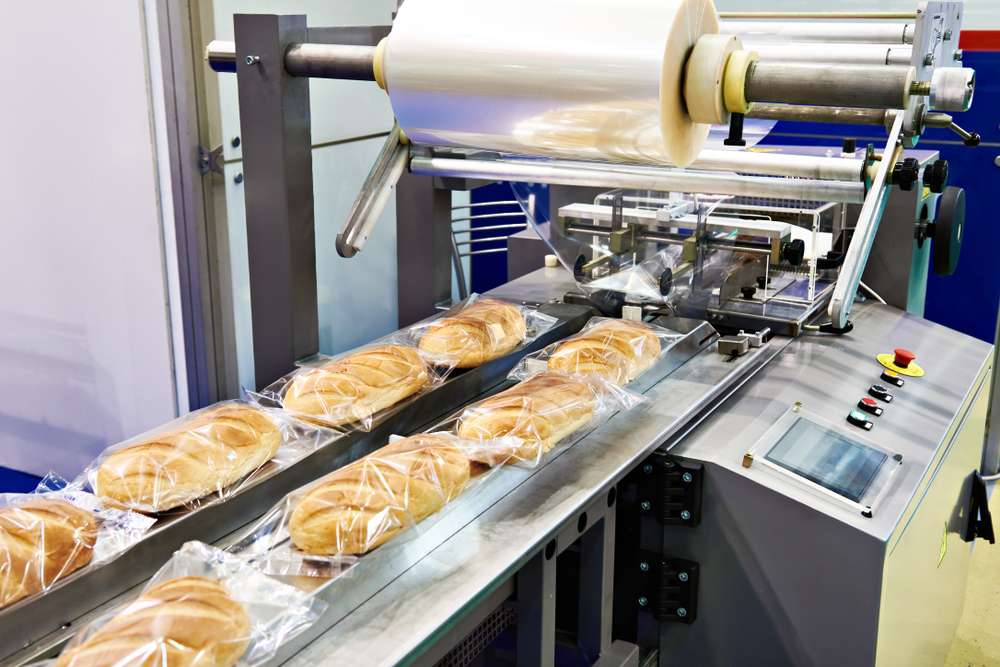
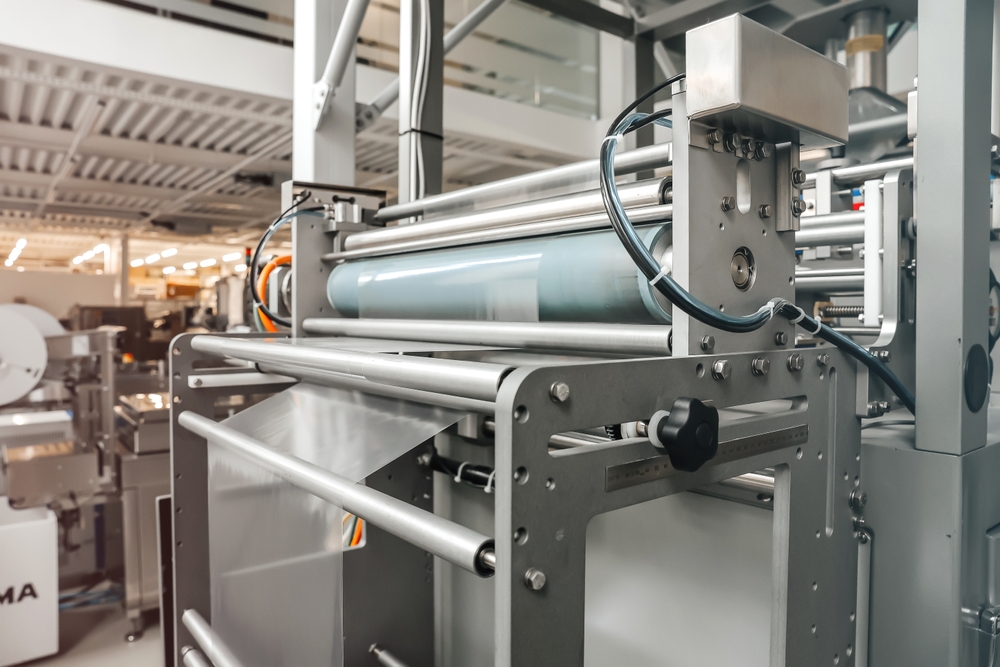
The packaging material you choose has a direct impact on product protection, shelf life, production efficiency, and cost. There’s no universal “right answer.”
Pick a material that’s too rigid for your filling line and you’ve got a processing problem. Choose one without the right moisture barrier and you’re risking spoilage, returns, or compliance issues.
The good news is that once you understand how the most common flexible packaging materials perform, the decision gets a lot more straightforward. This article explains LDPE, HDPE, polypropylene (PP), and sustainable alternatives — including the strengths, limitations, and ideal applications for each — so you can choose with confidence.
Key Takeaways
LDPE, HDPE, and polypropylene are the most common flexible packaging materials.
LDPE is the most flexible and widely used; HDPE is stronger and stiffer; polypropylene provides the best clarity and heat resistance.
Flexible food packaging materials must meet FDA food-contact standards.
Sustainable alternatives like recycled-content PE are increasingly viable, but involve trade-offs in cost and processing compatibility.
What Are Flexible Packaging Materials?
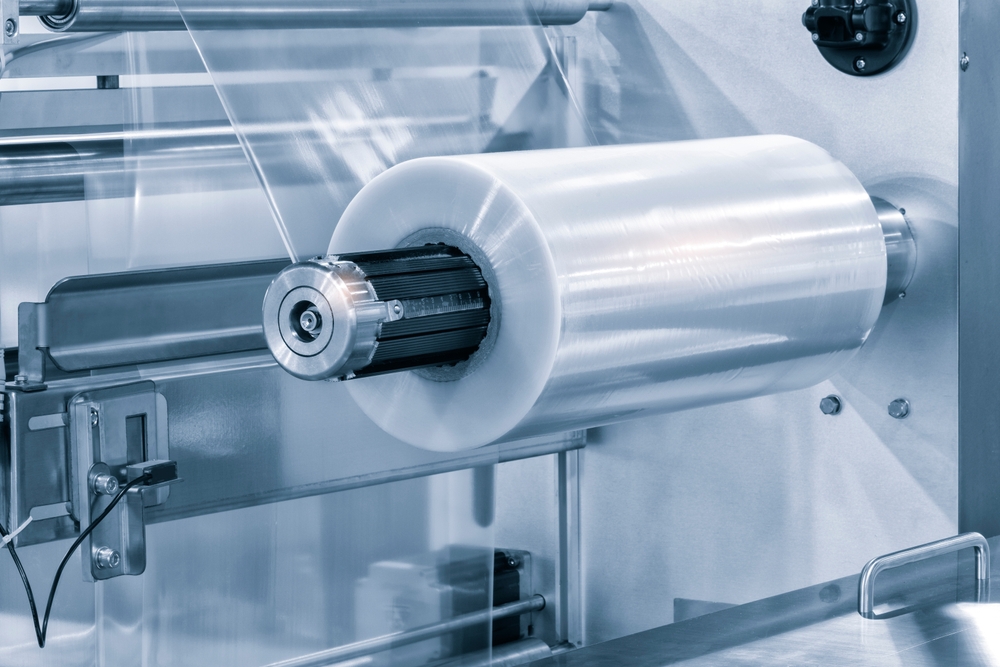
Flexible packaging materials are film-based materials that bend, compress, or conform to the product they contain. Unlike rigid formats (e.g., crates, cartons, hard-shell containers), flexible packaging is lightweight, adaptable, and engineered to deliver specific barrier performance without unnecessary bulk.
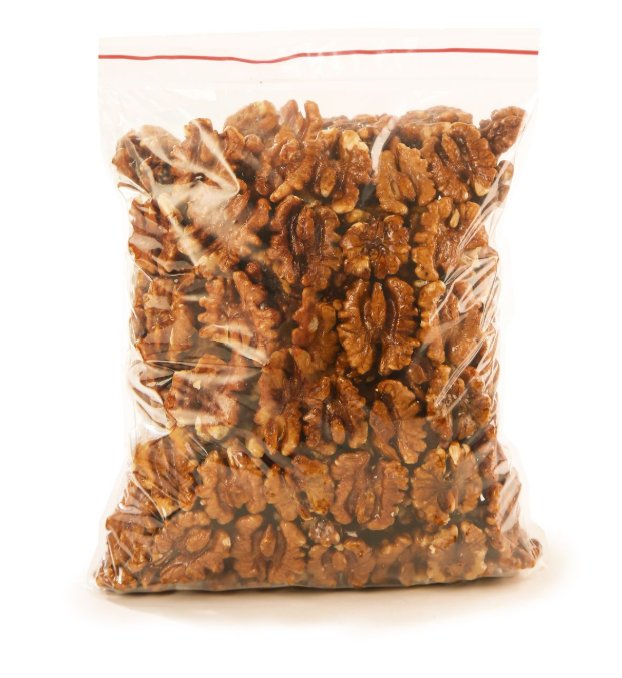
Flexible packaging refers to bags, pouches, films, liners, wraps, and roll stock made from pliable materials — most commonly polymer-based films like polyethylene (PE or polypropylene (PP).
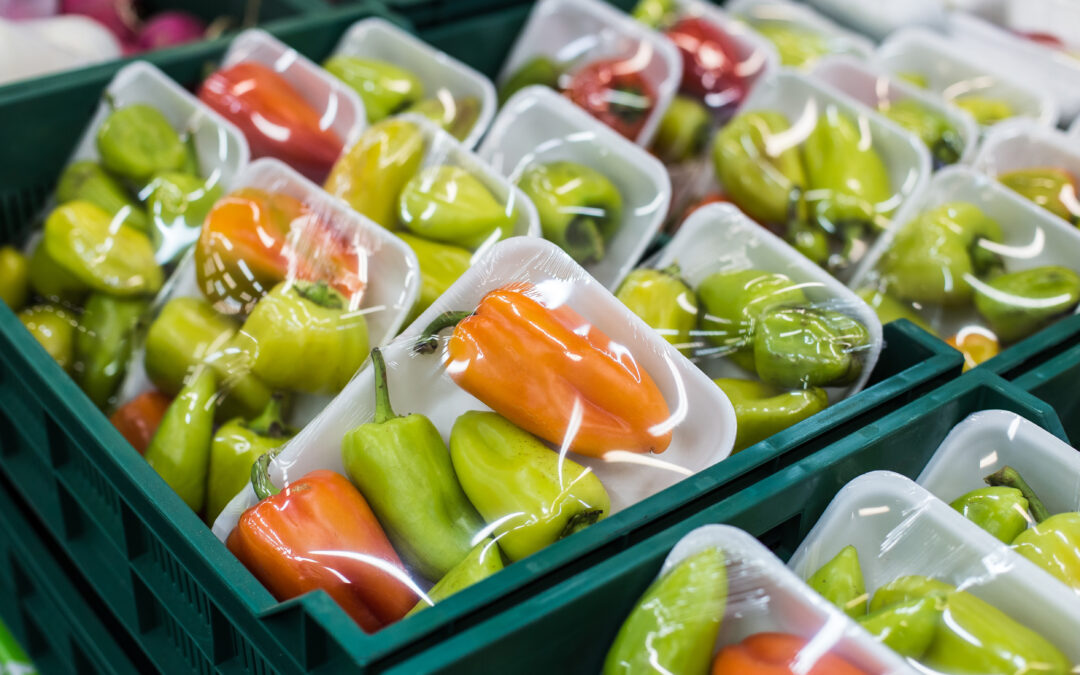
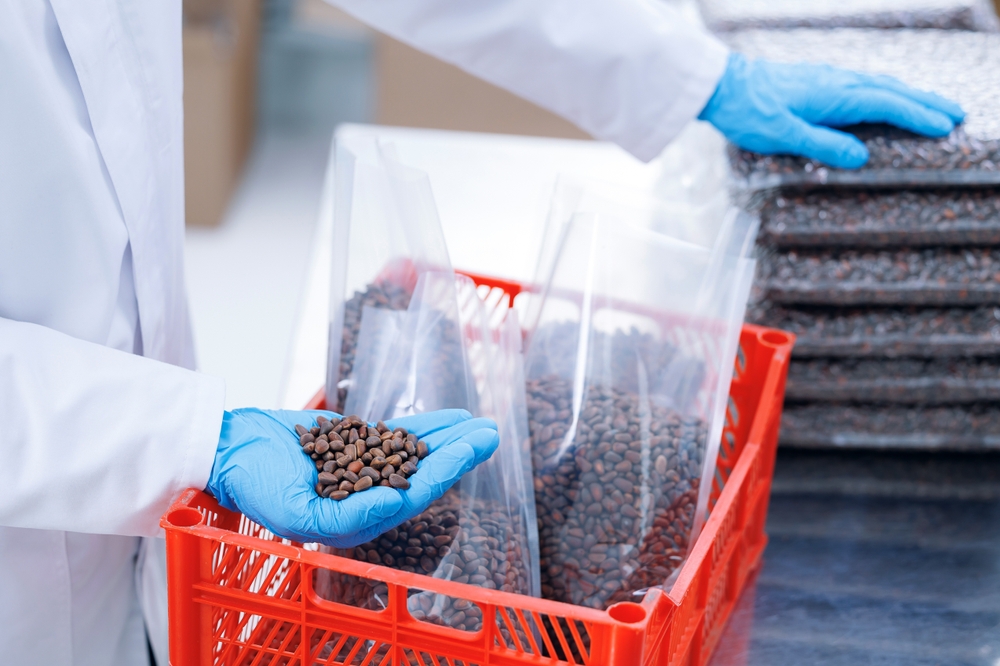
These materials show up across virtually every industry (e.g., food processing, agriculture, retail, e-commerce, industrial manufacturing, etc.) because they balance protection, efficiency, and cost in ways rigid packaging can’t match.
The three most widely used materials in flexible packaging are LDPE, HDPE, and polypropylene (PP). Each has a distinct molecular structure that determines how it performs. Understanding those differences is the starting point for making the right material selection for your application.
What Is LDPE? What Is It Best Used For?
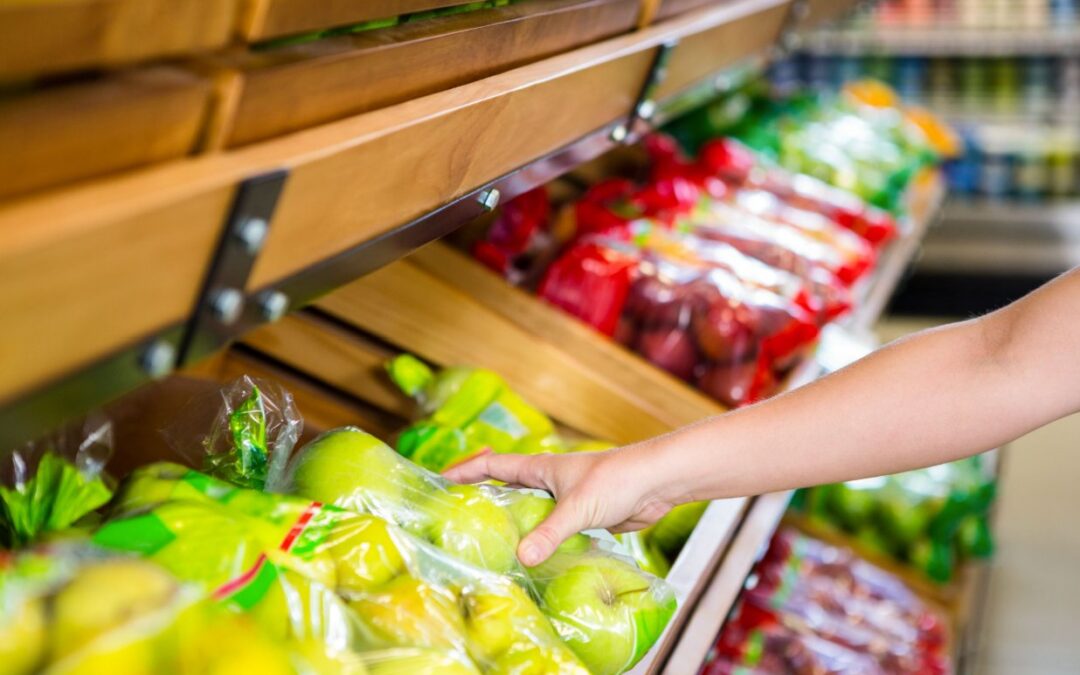
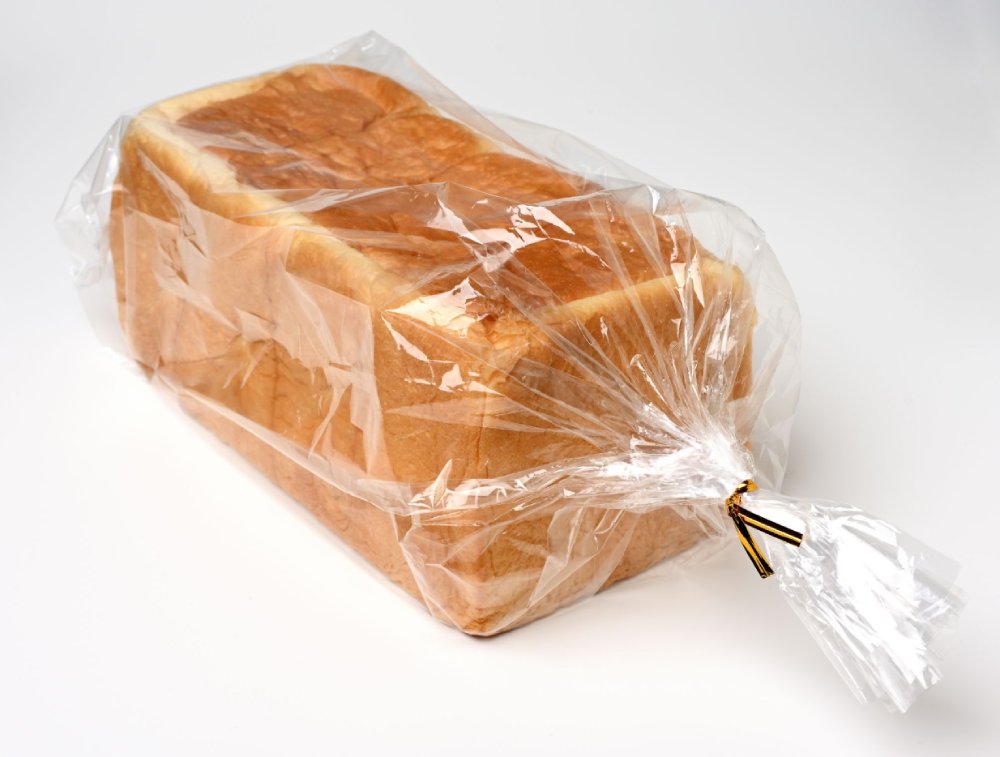
LDPE (Low-Density Polyethylene) is the most common flexible packaging film, known for its softness, flexibility, and reliable moisture resistance. If you’ve used a produce bag, a bread bag, or a poly liner, you’ve used LDPE.
LDPE is a thermoplastic made from ethylene monomers with a loosely branched molecular structure. That branching is what makes it soft and pliable at room temperature, and why it performs well in applications that require repeated flexing without tearing.
Where LDPE Excels
High flexibility and conformability (ideal for products with irregular shapes)
Excellent moisture barrier at a low cost per unit
Good clarity, making contents visible without opening
FDA-approved for food contact applications
Compatible with most standard heat-sealing equipment
LDPE Limitations
Lower tensile strength compared to HDPE (more prone to puncture under sharp load)
Not suitable for high-heat applications (begins to soften around 70-80°C)
Provides a weaker gas barrier than PP, which matters for oxygen-sensitive products
What Are the Best Applications for LDPE Packaging?
The best applications for LDPE are: produce bags, bread bags, bakery liners, bulk bin liners, retail garment bags, shrink wrap, plastic film rolls, and pallet covers.
What Is HDPE? What Is It Best Used For?
HDPE (High-Density Polyethylene) is stiffer, stronger, and more puncture-resistant than LDPE, making it the right call when your product demands a tougher film. It’s made from the same ethylene base as LDPE, but its tightly packed molecular chains create a denser, more rigid structure.
HDPE is a polyethylene variant with a high degree of crystallinity and minimal branching in its molecular chain. That’s what gives it greater tensile strength, better moisture resistance, and a higher melting point than LDPE.
Where HDPE Excels
Superior tensile strength and puncture resistance
Better moisture barrier than LDPE
Higher heat resistance (softening point around 120-130°C)
FDA-approved for food contact applications
More rigid (holds shape better in heavy-load applications)
HDPE Limitations
Less flexible than LDPE (not ideal for conformable or stretch applications)
More opaque, which reduces product visibility in retail settings
Stiffer on the line (may require equipment adjustments on some packaging systems)
What Are the Best Applications for HDPE Packaging?
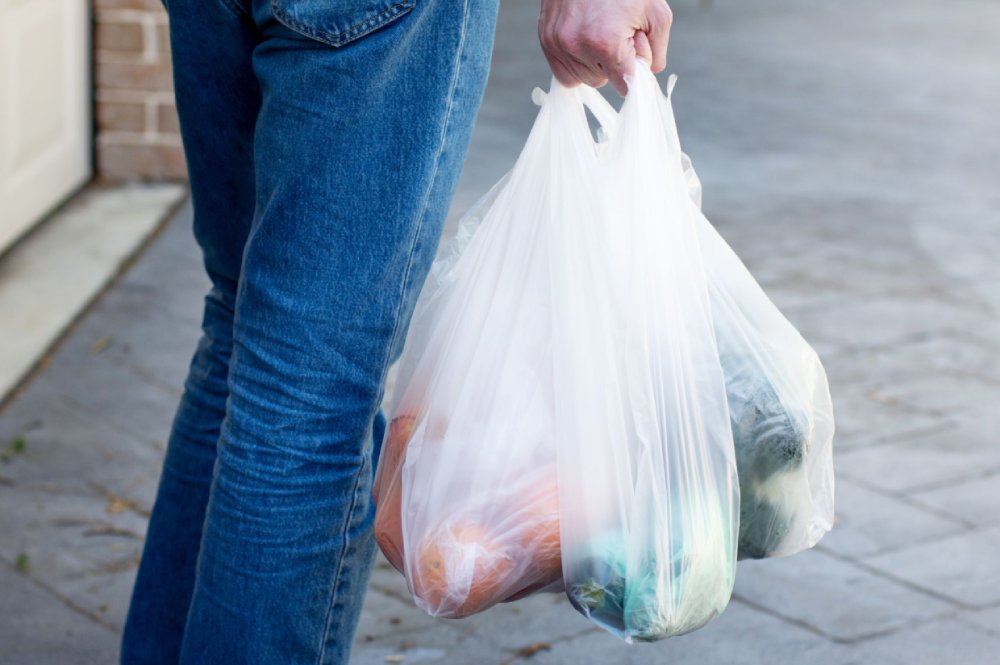
The best applications for HDPE are: grocery bags, produce bags with heavier contents, bulk bin and box liners, industrial liners, drum liners, and heavy-duty poly bags where puncture resistance is the priority.
LDPE vs. HDPE at a Glance
Property
LDPE
HDPE
Flexibility
High
Moderate
Clarity
Good (translucent)
Lower (more opaque)
Tensile Strength
Moderate
High
Moisture Barrier
Good
Excellent
Heat Resistance
Lower (70-80°C)
Higher (120-130°C)
Typical Cost
Low
Low-moderate
Best For
Produce, bread, liners, film
Grocery bags, industrial liners
When Should You Use Polypropylene (PP) Packaging?
Polypropylene packaging is the go-to when you need the best clarity, higher heat resistance, or a stronger moisture barrier than polyethylene options can deliver. PP has a different polymer structure than LDPE and HDPE, and that difference shows up in performance advantages for specific applications.
Polypropylene (PP) is a thermoplastic polymer with a semi-crystalline structure that gives it higher stiffness, a better moisture barrier, and a higher melting point than polyethylene. It’s the basis for many flexible food packaging materials in snack, bakery, and dry goods applications.
Where Polypropylene Excels
Exceptional optical clarity (often the clearest film option for retail display)
Higher heat resistance (melting point around 160°C) — supports hot-fill and heat-seal applications
Good stiffness at room temperature
FDA-approved for food contact applications
Polypropylene Limitations
Becomes brittle in cold or freezing temperatures (not the right call for frozen food applications)
Higher material cost than LDPE or HDPE
Less compatible with some lower-temperature heat-sealing setups
What Are the Best Applications for Polypropylene Packaging?
The best applications for polypropylene packaging are: snack food bags, bakery packaging, apparel and retail display bags, dry goods pouches, and any application where product visibility and heat sealability are both priorities.
Our Experience In our experience at A-Pack Manufacturing, customers often switch from LDPE to polypropylene when they upgrade their retail packaging. The clarity difference at point-of-sale is hard to argue with, especially for food products where visual freshness cues matter.
That said, if the product goes anywhere near a freezer or cold chain, PP can become brittle and crack. Know your storage and distribution environment before specifying PP.
LDPE vs. HDPE vs. Polypropylene: Full Comparison
Property
LDPE
HDPE
Polypropylene (PP)
Flexibility
High
Moderate
Moderate-low
Optical Clarity
Good
Low-moderate
Excellent
Tensile Strength
Good
High
High
Moisture Barrier
Good
Excellent
Excellent
Heat Resistance
Lower (70-80°C)
Higher (120-130°C)
Highest (160°C)
Cold Temp. Performance
Good
Good
Poor (brittle)
Cost (relative)
Low
Low-moderate
Moderate-high
FDA Food Contact
Yes
Yes
Yes
Best For
Produce, liners, film
Industrial bags, liners
Snack, retail, bakery
What Are the Best Sustainable Packaging Alternatives?
Several sustainable alternatives now perform comparably to conventional films for specific applications, and demand is accelerating. The global sustainable packaging market was valued at USD 126.5 billion in 2025 and is projected to reach USD 240.5 billion by 2034, growing at a CAGR of 7.42%, per Precedence Research’s 2025 sustainable packaging market analysis.
For manufacturers, the challenge is finding one that doesn’t compromise performance or require retooling your line.
A-Pac’s Answer: NuPlastiQ® BioBlend™ Poly Bags
At A-Pac Manufacturing, we offer a more sustainable poly bag built on NuPlastiQ® technology: a plant-based polymer developed by BiologiQ® that we blend with standard polyethylene or polypropylene resin to create what’s called a BioBlend™ bag.
NuPlastiQ® BioPolymer is a plant-based polymer derived from renewable resources. When combined with conventional PE or PP resin, it forms a BioBlend™ structure that maintains the strength and performance of standard poly bags while reducing reliance on fossil fuel-based materials by up to 20%.
Here’s what makes the NuPlastiQ® BioBlend™ option stand out for manufacturers who are weighing sustainable alternatives:
Up to 20% plant-based material — Blended directly into the same LDPE or PP base you already run, with no change to bag style, mil strength, or custom branding options
Reduced carbon footprint — Can lower your cradle-to-gate plastic resin-related carbon footprint by up to 20% compared to conventional poly bags
Accelerated biodegradation — Like paper, the NuPlastiQ® plant-based component is broken down by naturally occurring microorganisms if the bag isn’t recycled, rather than persisting indefinitely
Recycling-compatible — NuPlastiQ® BioBlend™ bags are recyclable in closed-loop systems where the material is known
No tradeoff on durability — The bags won’t break like glass or disintegrate like paper; they hold up through normal production, shipping, and handling demands
Our Experience The most common concern we hear from customers considering a sustainable poly bag is whether they’ll have to sacrifice performance or retool their line. With NuPlastiQ® BioBlend™, the answer is no on both counts. You’re getting the same bag you already trust (same specs, same styles, same sealing compatibility), just with a plant-based component added to the blend. It’s a straightforward way to reduce your plastic resin footprint without starting over.
How to Match the Right Flexible Packaging Material to Your Product?
The right material comes down to five factors. Working through each one gives you a clear path to the right specification.
1. Product Type and Food Contact Requirements
If your product contacts food directly, your material must be FDA-approved for food contact. LDPE, HDPE, and PP all qualify, but confirm the specific resin and any additives used.
A-Pac Manufacturing is FSSC 22000 certified, which means our flexible food packaging materials meet rigorous food safety system standards.
2. Moisture and Barrier Requirements
Does your product need to stay dry (snacks, dry goods)? Lock moisture in (baked goods)? Breathe (fresh produce)? Your moisture barrier requirements will often decide between LDPE, HDPE, and PP before any other factor.
3. Temperature Exposure
What temperatures does your packaging see during filling, sealing, storage, and distribution? If your process runs hot or your product enters a cold chain, temperature resistance is a defining spec. PP handles heat well; it handles freezing poorly. LDPE handles both reasonably well for most applications.
4. Production Line Compatibility
What sealing equipment are you running? What speeds? Some materials require higher seal temperatures or specific dwell times. Switching from LDPE to PP, for instance, usually requires adjusting your sealing parameters.
5. Sustainability and Recycling Goals
If you have sustainability commitments, they need to factor into material selection before you finalize a spec. Recycled-content PE is the most compatible path for most manufacturers; mono-material structures are the direction for long-term recyclability.
Not sure which material is right for your application? Download our free guide, How to Choose the Right Poly Bag, for a step-by-step breakdown of the specs, thickness, and material selection.
Shop Flexible Packaging Materials & Poly Bags
There’s no single best flexible packaging material; there’s only the right one for your product, process, and goals. If you’re still working through the decision, we’ve been helping manufacturers specify the right poly bag and film products since 1988. Send us a message — we’ll help you find the right fit.
Frequently Asked Questions About Flexible Packaging Materials
What’s the most common flexible packaging material?
LDPE (Low-Density Polyethylene) is the most widely used flexible packaging material. It’s flexible, moisture-resistant, FDA-approved for food contact, and compatible with most heat-sealing equipment, making it the default choice for produce bags, bread bags, liners, and general-purpose poly bags.
What’s the difference between LDPE and HDPE packaging?
LDPE is softer, more flexible, and has better clarity; HDPE is stiffer, stronger, and offers a better moisture barrier. LDPE works well for applications requiring conformability and product visibility. HDPE is the better call when puncture resistance and load-bearing strength are the priority, like industrial liners or grocery bags.
Is polypropylene better than polyethylene for food packaging?
It depends on the application. PP offers superior optical clarity and heat resistance, which makes it a better fit for snack, bakery, and retail food packaging. But it’s more expensive and becomes brittle in cold temperatures, so for frozen or refrigerated applications, LDPE or HDPE is typically the better choice.
What flexible packaging materials are FDA-approved for food contact?
LDPE, HDPE, and polypropylene (PP) are all FDA-approved for direct food contact when manufactured with food-grade resins and without prohibited additives. When sourcing flexible food packaging materials, confirm your supplier holds relevant food safety certifications.
What are the most sustainable flexible packaging options?
For manufacturers who don’t want to retool their line, A-Pac’s NuPlastiQ® BioBlend™ bags are one of the most practical options — up to 20% plant-based material, recycling-compatible, and available in the same styles and specs as standard poly bags. Recycled-content PE and mono-material structures are also strong choices depending on your recyclability commitments and equipment setup.
How do I know what thickness of flexible packaging film I need?
Thickness (measured in mils) affects puncture resistance, tear strength, and seal quality. Lighter-duty applications, like produce or bread bags, typically run at 0.5–1.5 mil. Heavier-duty liners or industrial bags often run at 2–6 mil or higher. A-Pac’s poly bag thickness guide walks through exactly how to spec the right gauge for your application.
Polyethylene is one of the most widely used materials in modern packaging. From industrial liners to food packaging, polyethylene plays a critical role in protecting products and keeping operations efficient.
But how does polyethylene manufacturing actually work?
In this guide, we’ll walk through the full polyethylene production process—from raw materials to finished poly bags—and explore how these materials are used and recycled in today’s packaging ecosystem.
What Is Polyethylene?
Polyethylene is a thermoplastic polymer made from petroleum or natural gas. It is widely used in flexible packaging, including films and poly bags, due to its strength, flexibility, and moisture resistance.
Key characteristics of polyethylene:
Lightweight yet strong
Resistant to moisture and chemicals
Easily customizable for different applications
Recyclable and efficient to produce
Common Types of Polyethylene:
Different types of polyethylene are engineered for specific performance needs:
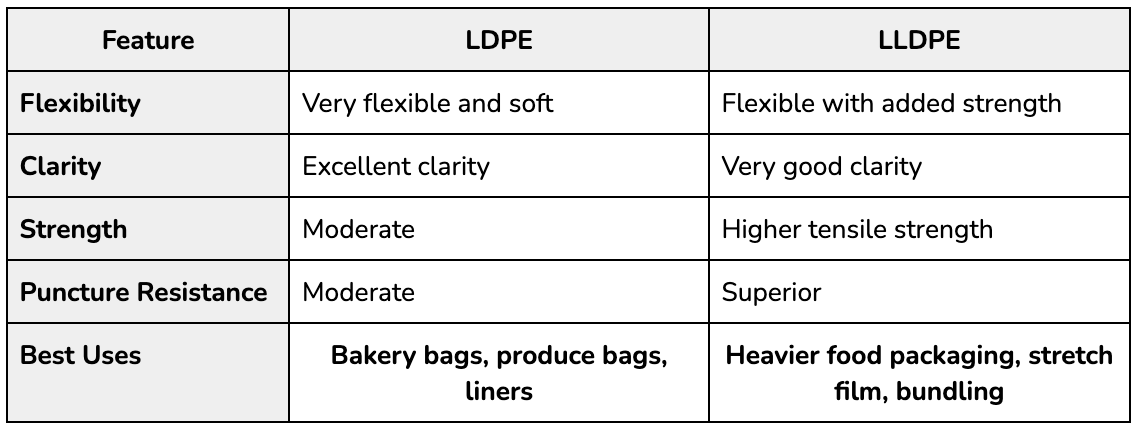
LDPE (Low-Density Polyethylene): Flexible with excellent clarity
LLDPE (Linear Low-Density Polyethylene): Stronger with improved puncture resistance
HDPE (High-Density Polyethylene): Rigid with superior moisture resistance
Polyethylene Production Process: How Polyethylene Is Made
Understanding how polyethylene is made starts at the molecular level. The polyethylene production process transforms raw hydrocarbons into a versatile plastic resin used in packaging.
Quick Answer: Polyethylene is made by polymerizing ethylene gas into long molecular chains, which are then processed into usable plastic material.
Step 1: Raw Material Extraction
Polyethylene production begins with natural gas or crude oil. Ethane is extracted and processed through a “cracking” method to produce ethylene gas.
Step 2: Polymerization
Ethylene molecules are chemically bonded together to form long polymer chains. This process determines the structure and performance of the final material. Different catalysts and conditions produce LDPE, LLDPE, or HDPE.
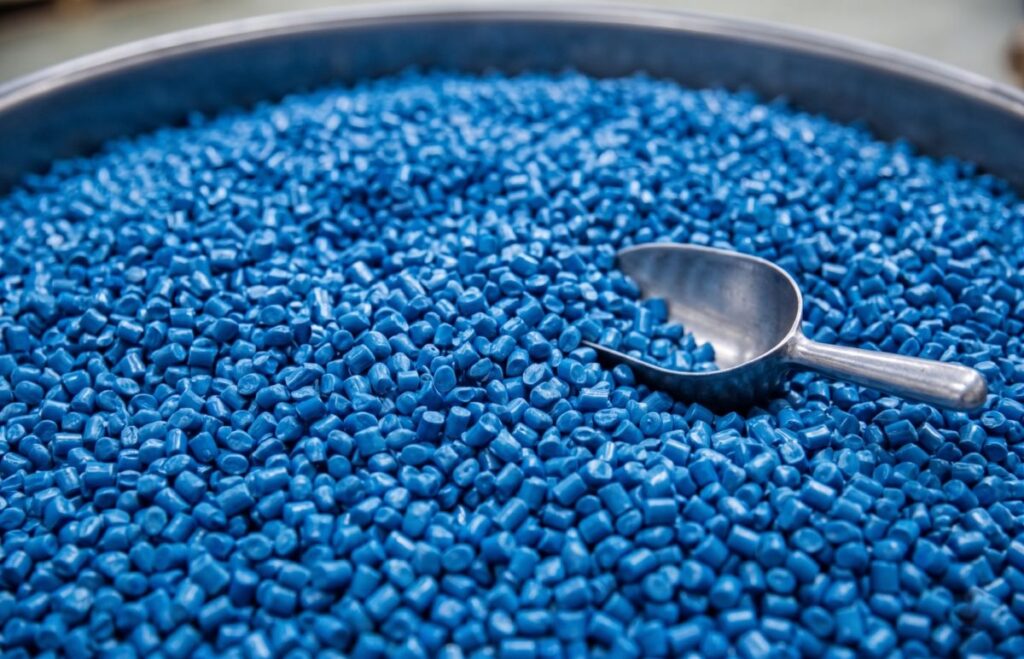
Step 3: Resin Pellet Production
The molten polyethylene is cooled and cut into small pellets. These resin pellets are the raw material used in downstream manufacturing processes.
From Resin to Film: The Polyethylene Manufacturing Process
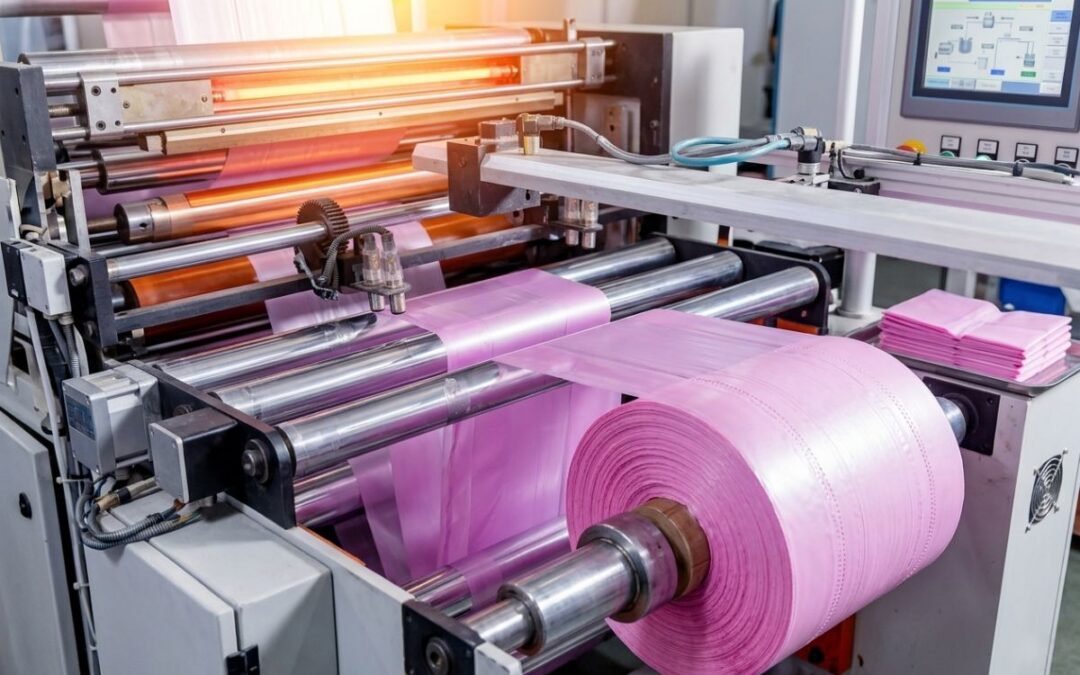
Once resin pellets are produced, they are transformed into film—the foundation of poly bags and flexible packaging.
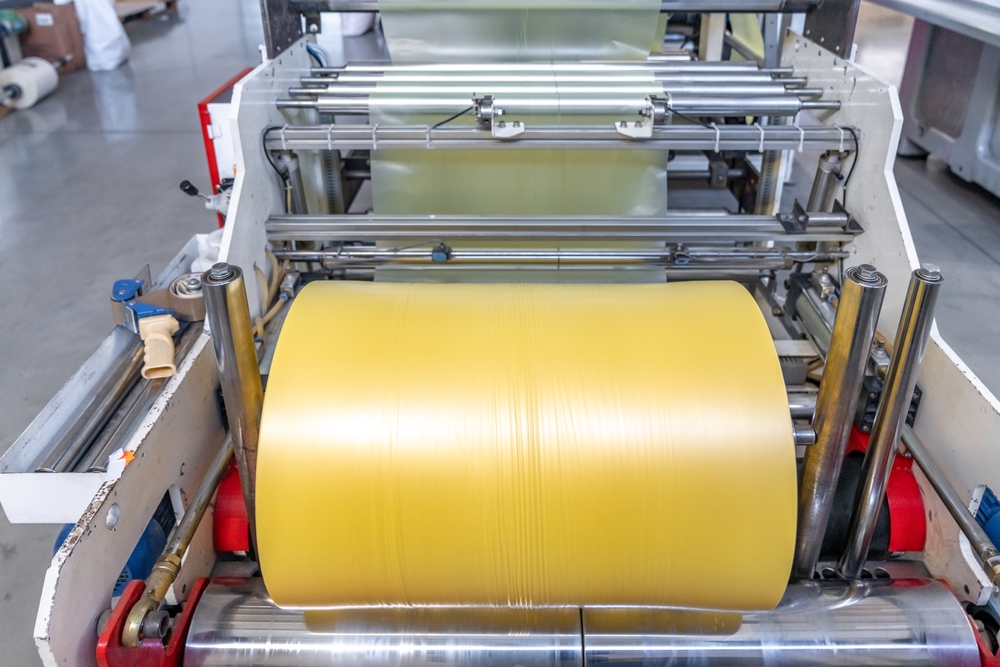
Step 4: Film Extrusion
Pellets are melted and extruded into thin plastic film. Two primary methods are used:
Blown film extrusion: Creates stronger, more durable films
Cast film extrusion: Produces clearer, more uniform films
Film thickness (measured in mil) and performance characteristics are controlled during this stage.
Step 5: Additives and Customization
Manufacturers can enhance film performance by adding:
UV inhibitors
Anti-static agents
Colorants
The resin blend and additives directly impact strength, clarity, and even downgauging opportunities, allowing thinner films to maintain performance while reducing material costs.
Step 6: Cooling and Winding
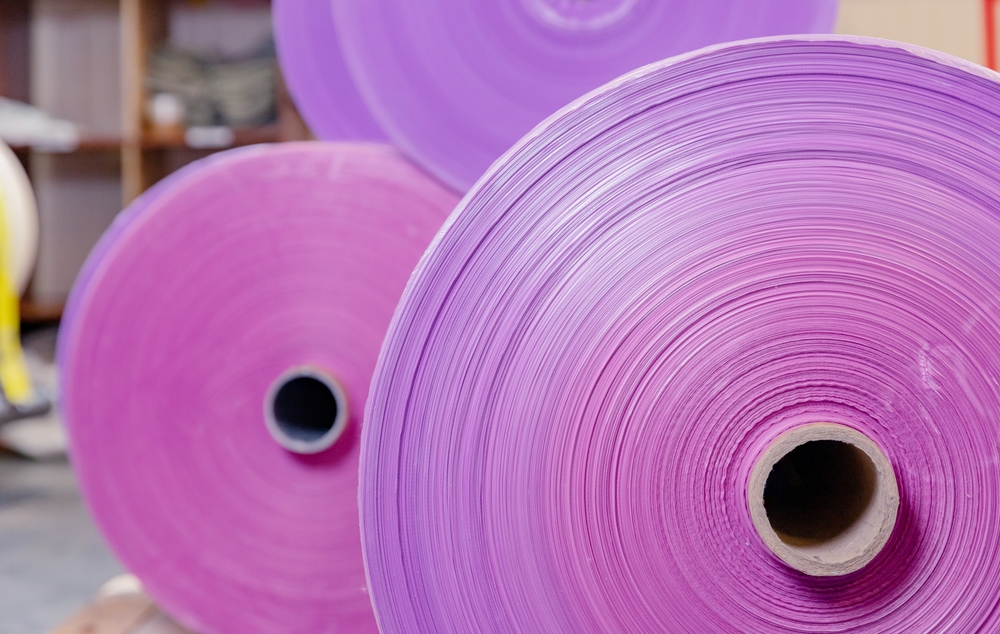
The film is cooled, flattened, and wound into large rolls, ready for the next phase: converting.
How Poly Bags Are Made
Converting transforms polyethylene film into finished packaging products.
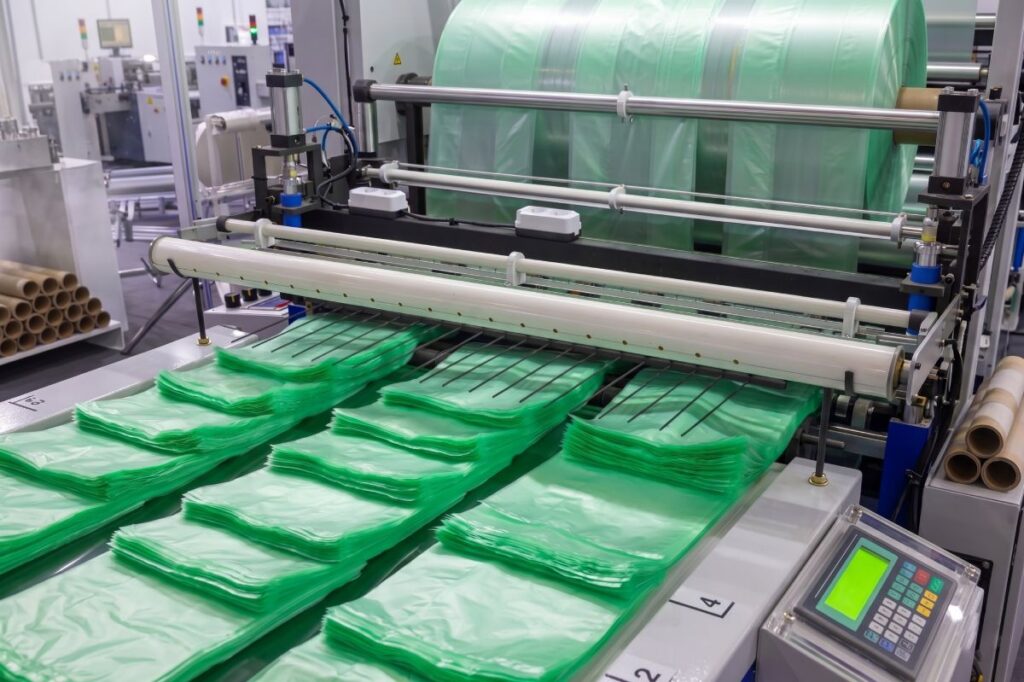
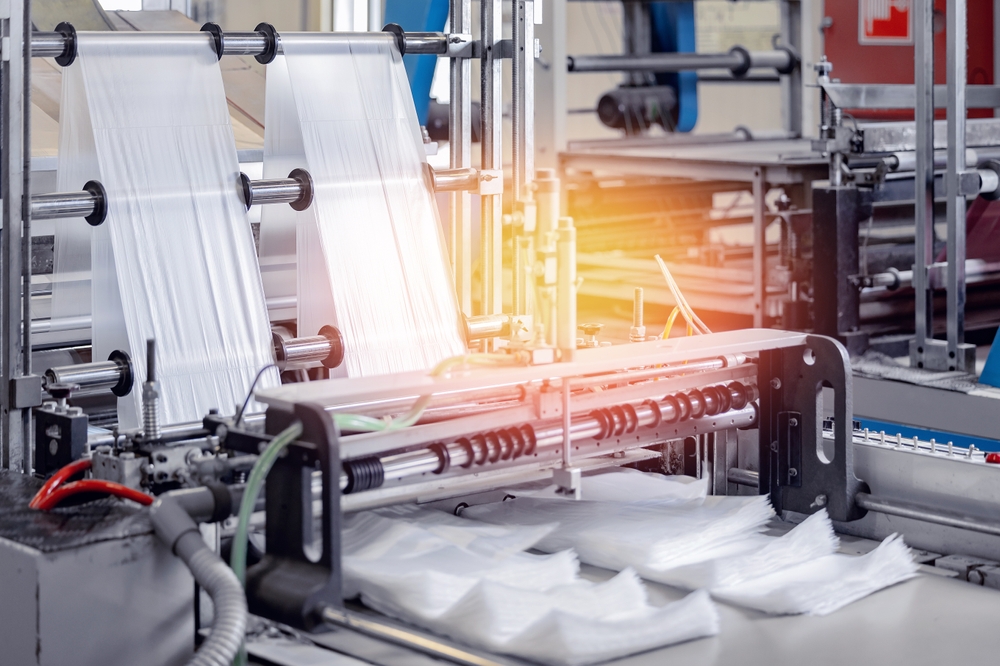
Step 7: Converting Film into Bags
Film rolls are cut, sealed, and shaped into various bag styles, including:
Retail and distribution: Shipping and storage solutions
Medical and specialty: Clean, protective environments
The Recycling Process: How Polyethylene Is Reused
Polyethylene is not only efficient to produce. It’s also recyclable, making it a sustainable packaging option when properly managed.
Quick Answer: Polyethylene is recycled by collecting, cleaning, shredding, and reprocessing it into new resin pellets for future manufacturing.
Step 10: Collection and Sorting
Used polyethylene materials are collected and sorted into:
Post-industrial (manufacturing scrap)
Post-consumer (used products)
Step 11: Cleaning and Reprocessing
Materials are washed, shredded, and melted down into reusable plastic.
Step 12: Manufacturing Recycled Products
The material is reprocessed into new resin pellets, which can be used to create new bags, films, or other plastic products.
Why Polyethylene Remains a Leading Packaging Material
Despite evolving materials and sustainability demands, polyethylene continues to lead the packaging industry because it offers:
Lightweight, cost-effective performance
Strong protection for a wide range of products
High customization for specific applications
Recyclability and manufacturing efficiency
Choosing the Right Polyethylene Bag for Your Application
Selecting the right poly bag involves more than just size. Key considerations include:
Film thickness (mil)
Resin type (LDPE, LLDPE, HDPE)
Additives and performance requirements
Bag style and design
Working with an experienced manufacturer ensures you get the right balance of performance, cost, and efficiency.
Partner with A-Pac for High-Performance Polyethylene Packaging
At A-Pac Manufacturing, polyethylene manufacturing isn’t just about producing bags—it’s about engineering packaging solutions that perform.
With expertise in resin selection, film extrusion, and custom converting, A-Pac helps businesses:
Optimize material usage and reduce costs
Improve packaging performance
Customize solutions for specific applications
Ready to improve your packaging performance? Request a quote or speak with an A-Pac expert today to find the right polyethylene solution for your needs.
In industrial packaging, flexibility, durability, and efficiency aren’t optional — they’re essential. Whether you’re bundling parts, protecting long products, or preparing items for storage and shipment, your packaging solution needs to adapt to the job.
That’s where polyethylene tubing stands out.
Polyethylene tubing is a versatile, flexible plastic film supplied on a roll in a continuous tube format. It allows businesses to cut packaging to the exact length needed, making it one of the most customizable and cost-effective solutions available for commercial and industrial applications.
In this article, we’ll explore:
What polyethylene tubing is
Is polyethylene tubing flexible?
The key benefits of polyethylene tubing
Customization options available
Common industrial applications
Let’s start with the basics.
What Is Polyethylene Tubing?
Polyethylene tubing is a continuous roll of plastic film formed into a seamless tube. Unlike pre-made bags, tubing allows you to create custom-sized packaging on demand. Simply cut the tubing to your desired length and seal one or both ends to create a perfectly sized bag or protective sleeve.
At A-Pac Manufacturing, polyethylene tubing is produced using the blown-film extrusion process, which creates a uniform, durable tube of film with consistent thickness and strength throughout the roll. This manufacturing method ensures reliable performance in demanding industrial environments.
Because it’s supplied on a roll, polyethylene tubing offers unmatched flexibility in packaging operations. Instead of stocking multiple bag sizes, facilities can keep one roll on hand and create packaging that fits a variety of product lengths — reducing waste, saving storage space, and simplifying inventory management.
Is Polyethylene Tubing Flexible?
Yes — polyethylene tubing is highly flexible.
Its flexibility allows it to conform to products of different shapes and sizes while still providing dependable strength and protection. This makes it ideal for:
Irregularly shaped parts
Long or oversized components
Bundled materials
Products requiring protective sleeves
In addition to physical flexibility, polyethylene tubing offers operational flexibility. It can be used with heat sealers, impulse sealers, and automated packaging equipment, making it adaptable for both manual and high-volume production environments.
This combination of material flexibility and operational versatility is one of the primary reasons polyethylene tubing remains a preferred packaging solution across industries.
5 Key Benefits of Polyethylene Tubing
Polyethylene tubing delivers measurable advantages for industrial packaging operations. From cost savings to durability, here’s why manufacturers and distributors rely on this solution.
1. Cost-Effective Packaging
One of the biggest advantages of polyethylene tubing is its cost efficiency.
Because it’s supplied on a roll, you only use the material you need. Instead of ordering multiple pre-made bag sizes, you can cut tubing to the exact length required for each product. This helps:
Reduce material waste
Minimize excess packaging
Lower inventory costs
Free up storage space
For operations managing a wide range of product sizes, this flexibility translates directly into cost savings.
2. Durable and Reliable Protection
Industrial environments demand packaging that performs.
Polyethylene tubing offers strong seal integrity and dependable puncture resistance, helping protect parts and products during storage, handling, and transportation. When properly sealed, it provides secure containment that reduces the risk of product damage or contamination.
3. Wide Range of Sizes and Thicknesses
Every application is different, and polyethylene tubing is designed to accommodate that.
Tubing is available in multiple widths and thicknesses to match the weight, size, and protection requirements of your products. Whether you need lightweight film for simple parts packing or heavier-gauge material for more demanding applications, polyethylene tubing can be tailored to fit your operation.
4. Customization Options
Polyethylene tubing is available in:
Gusseted tubing for expanded capacity
Non-gusseted tubing for standard applications
Gussets allow the tubing to expand and accommodate bulkier items, while non-gusseted options provide a clean, streamlined fit for narrower products.
For customers in the food industry, this certification provides confidence that your packaging supplier meets the highest global food safety standards.
5. Versatility Across Industries
From manufacturing floors to distribution centers, polyethylene tubing supports a wide variety of industrial uses. Its adaptability makes it suitable for:
Parts packing
Protective sleeves
General packaging
Industrial storage
Few packaging materials offer this level of flexibility while maintaining cost control and durability.
Customization & Manufacturing Process of Polyethylene Tubing
Not all polyethylene tubing is created equal. Performance starts at the manufacturing level, and at A-Pac Manufacturing, quality is built into every step of the process.
Blown-Film Extrusion for Consistent Performance
We produce polyethylene tubing using the blown-film extrusion process, which forms a continuous, seamless tube of film. This method allows for precise control over:
Film thickness
Strength and durability
Uniformity across the roll
Seal performance
The result is a consistent, high-quality product that performs reliably in industrial environments.
Gusseted and Non-Gusseted Options
A-Pac offers both gusseted and non-gusseted polyethylene tubing, allowing you to choose the configuration that best fits your application.
Non-gusseted tubing provides a standard, flat tube ideal for uniform or narrow products.
Gusseted tubing expands to accommodate bulkier, wider, or irregularly shaped items.
This adaptability ensures your packaging conforms to your product — not the other way around.
Range of Widths and Thicknesses
Different products require different levels of protection. That’s why we offer polyethylene tubing in a wide range of:
Widths
Film gauges (thicknesses)
Heavier gauges provide increased strength and puncture resistance, while lighter gauges offer an economical solution for less demanding applications.
FSSC 22000 provides a comprehensive framework for managing food safety and quality across the supply chain. Whether you’re packaging raw ingredients, frozen foods, or ready-to-eat items, certified poly packaging solutions support both safety and performance.
Practical Applications of Polyethylene Tubing
The true value of polyethylene tubing lies in its versatility. Because it can be cut, sealed, and sized as needed, it adapts easily to a wide range of industrial and commercial packaging environments.
Here are some of the most common applications:
Parts Packing
Manufacturers frequently use polyethylene tubing for packaging small to mid-sized components. Instead of stocking multiple bag sizes, teams can cut tubing to the precise length required for each part.
This is especially useful for:
Hardware and fasteners
Machined components
Automotive parts
Assembly kits
The result is streamlined packaging operations and reduced material waste.
Protective Sleeves
Polyethylene tubing is ideal for creating protective sleeves for long or narrow products.
The following items can be easily slipped into cut-to-length film to protect against dust, moisture, and surface damage during storage or shipment:
Metal rods
Extrusions
Moldings
Tools
Pipes or tubing
Industrial Packaging
For general industrial packaging needs, polyethylene tubing provides flexible protection that can be scaled to match product size.
It works well for:
Bundled materials
Irregularly shaped products
Oversized items
Short-term or long-term storage
Because the tubing conforms to the product and can be sealed securely, it helps maintain cleanliness and organization throughout the supply chain.
Food & Regulated Applications
With packaging manufactured under our FSSC 22000-certified food safety management system, polyethylene tubing can support food applications requiring strict quality control and traceability.
This makes it a practical solution for operations that need both performance and documented food safety compliance.
Why Choose A-Pac Manufacturing for Polyethylene Tubing?
When it comes to industrial packaging, material performance matters — but so does the partner behind it.
At A-Pac Manufacturing, we combine advanced blown-film extrusion capabilities with strict quality control to deliver polyethylene tubing that performs consistently in real-world conditions. From seal integrity to film strength, every roll is manufactured with durability and reliability in mind.
Our customers rely on us for:
A wide range of widths and thicknesses
Gusseted and non-gusseted options
FDA-approved materials when required
Consistent quality and dependable supply
Custom solutions tailored to specific applications
We understand that packaging isn’t one-size-fits-all. That’s why we work closely with manufacturers, distributors, and industrial operations to ensure the tubing you receive aligns with your product requirements, equipment setup, and performance expectations.
Get the Right Polyethylene Tubing for Your Operation
Polyethylene tubing offers a powerful combination of flexibility, durability, and cost-efficiency — making it one of the most practical industrial packaging solutions available.
Whether you’re looking to streamline parts packing, create protective sleeves, or reduce packaging waste, A-Pac Manufacturing can help you identify the right specifications for your application.
Request a quote today to learn how our polyethylene tubing solutions can support your operation.
Polyethylene can be engineered to be clear or opaque, thin or thick, soft or highly durable, making it suitable for a wide range of food products—from delicate produce to heavy or frozen items.
What Is Polyethylene Used for in Food Packaging?
Polyethylene flexible packaging for food is used for protection from contamination, moisture, oxygen, or to prevent handling damage. Its flexibility allows manufacturers to tailor packaging to specific food safety, shelf-life, and logistics requirements.
Common food packaging applications include:
Fresh produce bags
Bakery and bread bags
Meat and poultry overwrap
Frozen food packaging
Dry goods and bulk ingredient bags
Beverage multipacks and secondary packaging
Is Polyethylene Food Safe?
Yes—polyethylene is considered food safe when manufactured and handled under proper food safety standards.
Polyethylene flexible packaging for food is:
Non-toxic
Chemically stable
Non-reactive with food
Resistant to moisture and contaminants
What Are A-Pac’s Food Safety Standards for Polyethylene?
A-Pac is FSSC 22000 certified by Intertek, meaning our polyethylene packaging is produced under a globally recognized food safety management system aligned with Global Food Safety Initiative (GFSI) standards.
FSSC 22000 is one of the most important certifications a poly bag manufacturer can hold for food packaging. It is built on internationally recognized standards, including ISO 22000, combined with sector-specific prerequisite programs and additional scheme requirements.
As an FSSC 22000 certified manufacturer, A-Pac demonstrates a long-standing commitment to producing food-safe poly bags and polyethylene films that meet today’s regulatory expectations and customer requirements.
What Are the Benefits of Polyethylene Food Packaging?
Polyethylene flexible packaging for food is a top choice for its unmatched balance of performance and cost.
#1. Non-Toxic and Food Safe
Polyethylene does not interact with food products or leach harmful substances under normal use conditions. This makes it suitable for direct contact with a wide range of foods, including fresh produce, baked goods, frozen items, and dry ingredients.
When polyethylene packaging is produced by an FSSC 22000 certified manufacturer, you gain additional assurance that the material is handled, processed, and manufactured under a verified food safety management system.
#2. Highly Versatile and Customizable
Polyethylene’s adaptability is one of its greatest strengths. It can be manufactured into bags, films, tubing, sheets, and liners in a wide range of sizes, thicknesses, and configurations.
This versatility allows food manufacturers to:
Match packaging precisely to product size and weight
Choose clarity or opacity based on product visibility needs
Adjust film thickness for protection without excess material
Because polyethylene flexible packaging for food can be easily customized, it supports everything from small specialty food brands to high-volume commercial operations.
#3. Cost-Effective for Food Packaging Operations
Polyethylene is widely available and efficient to produce, making it one of the most cost-effective food packaging materials on the market.
Its affordability helps manufacturers:
Control packaging costs at scale
Reduce waste through right-sized packaging
Maintain margins without sacrificing performance or safety
For businesses balancing food safety requirements with budget constraints, polyethylene offers an optimal combination of performance and value.
#4. Lightweight for Efficient Shipping and Handling
Polyethylene packaging is extremely lightweight, which provides important logistical advantages.
Lighter packaging:
Reduces overall shipping weight and freight costs
Improves handling efficiency throughout distribution
Helps food manufacturers stay within shipping and pallet weight limits
These weight savings can add up quickly, especially for food and beverage products shipped in high volumes.
#5. Enhanced Protection and Shelf-Life Support
Polyethylene provides an effective barrier against moisture and, in many applications, oxygen exposure—two key factors that can negatively affect food quality.
This protective performance helps preserve freshness and texture, reduce spoilage caused by humidity, and extend shelf life for many food products.
By supporting product stability, polyethylene packaging plays a direct role in maintaining food quality and reducing waste.
#6. Durable and Resistant to Handling Damage
Despite being lightweight, polyethylene is a strong and resilient material. It resists tearing, punctures, and abrasion during normal handling, storage, and transportation.
This durability helps:
Protect food products from contamination and damage
Reduce packaging failures and product loss
Maintain package integrity from production to point of sale
Different formulations, such as LDPE and LLDPE, allow manufacturers to fine-tune strength and flexibility based on application needs.
What Are the Types of Polyethylene Food Packaging?
They differ in strength, stretch, clarity, and resistance to punctures, which makes each better suited for certain food packaging applications.
Both materials are widely used for food packaging because they are durable, flexible, and suitable for direct food contact when manufactured under appropriate standards.
LLDPE vs. LDPE Comparison: What’s the Difference?
A-Pac uses both LLDPE and LDPE to create food-safe packaging tailored to your specific application.
In practice:
LLDPE excels in applications requiring strength, stretch, and puncture resistance.
LDPE is ideal for lightweight food packaging where softness and clarity matter.
Modern Applications of LLDPE & LDPE in Food Packaging
Polyethylene Tubing & Packaging Bags
Polyethylene tubing and bags typically range from 0.75 mil to 6 mil in thickness, allowing precise customization.
Thinner films → Ideal for fruits, vegetables, and bakery items
Thicker films → Suitable for frozen foods or heavier products
Tubing can be cut and sealed to exact lengths, reducing waste and improving efficiency.
Stretch Film for Food Packaging
LLDPE stretch film is widely used for:
Bundling products
Securing canned goods
Stabilizing palletized food products
Its high stretch rate, clarity, and low shrinkage temperature make it ideal for secondary food packaging.
Which Food-Safe Polyethylene Products Are Available?
All products can be customized by size, thickness, clarity, and branding, with no minimum order requirements.
Is Polyethylene Food Packaging Sustainable?
Yes—polyethylene continues to evolve to meet modern environmental expectations while maintaining food safety and performance.
One of polyethylene’s key sustainability advantages is its recyclability. Many polyethylene films and bags can be collected and recycled into new products. This recyclability supports a more circular approach to packaging by extending the useful life of plastic materials and reducing the demand for virgin resin.
Compared to some alternative packaging materials, polyethylene is relatively energy-efficient to produce. Its manufacturing process typically requires less energy and results in lower greenhouse gas emissions than heavier or more complex packaging materials.
The polyethylene industry continues to invest in innovation, including:
Development of bio-based polyethylene derived from renewable resources
Partner With a Trusted Polyethylene Food Packaging Manufacturer
One of the reasons polyethylene remains a leading food packaging material is its ability to be precisely matched to specific applications. Choosing the right manufacturing partner is just as important as choosing the right material.
A-Pac’s FSSC 22000 food safety certification, combined with decades of manufacturing experience, supports consistent quality across food-contact applications. We work with customers across a wide range of industries, supplying polyethylene packaging for:
Perishable and fresh foods
Dry goods and ingredients
Food and beverage secondary packaging
Industrial and non-food applications
With the ability to customize size, thickness, and format—and without minimum order requirements—A-Pac supports both established food manufacturers and growing brands that need dependable, food-safe packaging solutions.
If you sell food, you know that packaging isn’t just a container—it’s a core part of product quality. The right flexible food packaging helps preserve freshness, extend shelf life, reduce waste, and protect your brand at every point in the supply chain.
Behind that performance is one essential material: polymers.
Advanced polymers act as powerful barriers against moisture, oxygen, and contaminants. These polymer structures are engineered to seal in flavor, maintain texture, prevent spoilage, and keep products safe throughout storage and transport.
That’s why polymers are the foundation of modern flexible packaging—they deliver the protective performance food products need to stay fresher for longer.
In this article, we break down the science behind polymer flexible packaging—what it is, how it works, and why today’s food manufacturers rely on advanced polymer structures to balance protection, efficiency, and sustainability.
What Is Flexible Food Packaging?
Flexible food packaging refers to film-based materials that bend, fold, or conform to the product they protect.
Unlike rigid packaging—such as cans, jars, or hard plastics—flexible packaging is lightweight, adaptable, and engineered to deliver targeted barrier performance without unnecessary bulk.
Common formats of flexible food packaging include:
Poly bags
Roll stock and sheeting
Food pouches
Liners
Vacuum bags
Multi-layer barrier films
Manufacturers choose flexible packaging because it:
Protects food from moisture, oxygen, and contaminants
Reduces material consumption compared to rigid containers
Minimizes shipping weight and storage space
Works efficiently on modern filling and sealing equipment
Provides strong seals and durability through distribution
In short, flexible food packaging offers high performance with greater efficiency.
Why Do Polymers Lead the Way in Food Packaging?
Polymers dominate food packaging because their molecular structure allows them to be lightweight, formable, and highly protective. Plus, they’re far more versatile and efficient than alternatives like paper, foil, or rigid plastics.
What Are Polymers?
Polymers are long chains of repeating molecules that determine a material’s strength, clarity, flexibility, and barrier performance. By controlling how these chains are arranged, manufacturers can create films specifically engineered for moisture resistance, oxygen control, puncture strength, and seal performance.
Common Polymer Types in Food Packaging:
While formulations vary, most flexible food packaging is built from the following:
LDPE (Low-Density Polyethylene) — soft, flexible, great clarity
LLDPE (Linear Low-Density Polyethylene) — high puncture resistance
HDPE (High-Density Polyethylene) — excellent moisture barrier, stronger and stiffer
Nylon — toughness for heavy or sharp-edged products
EVOH — exceptional oxygen-barrier performance
Why Polymers Work So Well for Food Packaging:
Food manufacturers rely on polymer-based films because they offer:
Lightweight strength — protection without bulk
Excellent sealability — supports freshness and food safety
Customizable barrier properties — moisture, oxygen, odor, and contaminant control
Reliable performance — consistent results at high production speeds
Cost efficiency — reduced material and lower shipping weight
These advantages give polymer packaging a unique ability to balance protection, efficiency, and sustainability, which are key priorities for modern food operations.
Why Food Manufacturers Rely on Flexible Polymer Packaging
Across the industry, polymer-based flexible packaging delivers the performance and efficiency food producers need:
Extended shelf life
Superior product protection
Lower material and shipping costs
Reduced waste
Consistent quality on high-speed lines
Customization for any food product
These advantages are why polymer flexible packaging remains the go-to choice for brands focused on safety, freshness, and operational efficiency.
FAQ: Quick Answers About Polymer Food Packaging
Q. What is flexible food packaging made of?
A. Primarily polyethylene (LDPE, LLDPE, HDPE), polypropylene, nylon, and high-barrier polymers like EVOH.
Q. Why are polymers used for food packaging?
A. They provide lightweight strength, excellent barrier protection, and dependable sealing performance.
3 Major Science-Backed Benefits of Polymer Packaging
Polymer performance comes down to chemistry. The length and structure of molecular chains determine how a film behaves, including its strength, flexibility, clarity, and resistance to gases and moisture.
1. Barrier Protection: The Key to Freshness
The primary job of flexible food packaging is to protect freshness. Polymer film structures do this through three critical barrier functions: moisture control, oxygen resistance, and contaminant protection.
Moisture Control – Moisture can ruin texture, encourage spoilage, or dry out products.
For baked goods — packaging must lock moisture in.
For snacks — packaging must keep moisture out.
For produce — films often balance breathability and protection.
Oxygen Resistance – Exposure to oxygen leads to rancidity, discoloration, mold growth, and flavor degradation.
High-barrier materials, such as EVOH (ethylene-vinyl alcohol copolymer), dramatically reduce oxygen transmission, thereby extending the shelf life of products like coffee, sauces, deli items, and high-fat foods.
Contaminant & Odor Protection – Multi-layer films create a physical shield against:
Airborne contaminants
Odors
External flavors
Dust and particulates
2. Strength Meets Flexibility
Flexible packaging must withstand the rigors of manufacturing, sealing, distribution, and retail handling. Polymer films deliver this through:
High puncture and tear resistance
Strong, consistent seals
Durability across temperature variations
Impact resistance through shipping and storage
This engineered strength, paired with film flexibility, is what makes polymer packaging reliable across demanding food supply chains.
3. Sustainability in Flexible Polymer Packaging
As sustainability becomes more central to food brands, polymer technologies continue to evolve.
Downgauging – Modern polymers enable manufacturers to achieve the same strength using thinner films, thereby reducing consumption and lowering shipping emissions.
Recyclable Mono-Material Structures – Replacing mixed-material films with single-polymer designs improves recyclability and supports circular economy initiatives.
Lower-Emission Resin Technologies – Newer polymer formulations reduce the environmental footprint of manufacturing without sacrificing performance.
A-Pac Manufacturing Is Here To Support Your Food Packaging Needs
A-Pac Manufacturing combines material expertise with custom polymer film engineering to help food brands achieve the exact packaging performance they need. We deliver:
Precision manufacturing with tight tolerances and consistent results
High-quality polymer blends optimized for strength, clarity, and protection
Fast lead times and reliable production
Collaborative support to help you choose the right film for your application
Whether you’re packaging produce, bakery items, proteins, snacks, or specialty foods, we can design a flexible packaging solution that protects freshness and streamlines your operation.
Ready to Improve Your Food Packaging?
A-Pac Manufacturing creates polymer-based flexible packaging solutions that protect your food products and support your manufacturing needs.
As demand for sustainable packaging grows, businesses are rethinking the materials behind their plastic packaging more than ever. From regulatory pressure to consumer preference, companies are asked to have less waste, less environmental impact, and fewer virgin resources. That’s where recycled content comes in.
Two of the most common recycled materials used in plastic packaging are Post-Consumer Recycled Content (PCR) and Post-Industrial Recycled Content (PIR). Both offer environmental benefits but differ significantly in quality, consistency, and performance.
Whether your priority is sustainability, product strength, or regulatory compliance, knowing the difference between PCR and PIR can help you make the best packaging decision for your business.
What Is PCR and What Is PIR?
When it comes to recycled plastic packaging, not all materials are created equal.
Post-Consumer Recycled Content (PCR)
PCR is made from plastic products used and discarded by consumers — think food containers, water bottles, or shopping bags. After these items are collected through public recycling systems, they’re sorted, cleaned, and reprocessed into new resin.
Because PCR materials come from a wide variety of sources and conditions, they tend to have more variability in quality. Contamination, mixed plastic types, and inconsistencies in feedstock can affect the color, clarity, and performance. Still, PCR is a valuable tool for reducing landfill waste and closing the loop on consumer plastic use.
Post-Industrial Recycled Content (PIR)
PIR is sourced directly from manufacturing scrap—trimmings, offcuts, and unused resin generated during production. Since this material never leaves the factory floor’s controlled environment, it’s cleaner, more consistent, and easier to reprocess.
The result is a high-quality recycled resin that closely mimics the properties of virgin material. In many cases, PIR-based products match or exceed the performance of standard plastic packaging, making them ideal for customers who want sustainability without sacrificing quality.
Comparing Post-Consumer Recycled Content (PCR) vs. Post-Industrial Recycled Content (PIR)
While both PCR and PIR contribute to a more sustainable supply chain, they perform differently in real-world packaging applications. Here’s how they compare in terms of quality, consistency, and usability.
Quality and Performance Comparison
PCR:
Typically features a broader specification range due to the mixed and variable nature of consumer waste streams.
May introduce inconsistencies in appearance, strength, or flexibility
Requires additional cleaning, sorting, and filtration during processing, which can increase cost and complexity.
PIR:
Offers a higher level of purity and consistent resin quality.
Delivers mechanical properties similar to virgin material, making it more reliable in performance-sensitive applications.
Easier to integrate into existing manufacturing processes without compromising product strength or clarity.
In many cases, PIR is the preferred choice for customers who need high-performing plastic packaging but still want to reduce environmental impact. This is especially true in flexible packaging applications where clarity, seal strength, and durability are non-negotiable.
Supports closed-loop recycling, helping to create a more circular economy where consumer-used products are recovered and reused.
Decreases the need for virgin resin, conserving fossil fuels and lowering greenhouse gas emissions associated with new plastic production.
PIR:
Eliminates waste from the manufacturing process, keeping trimmings and off-cuts out of landfills.
Lowers resource consumption by reusing clean, high-quality scrap materials that would otherwise be discarded.
Maintains material integrity, allowing manufacturers to meet sustainability targets without compromising product performance.
Using PCR is often seen as a visible commitment to sustainability, especially in consumer-facing industries. PIR is also an efficient, low-waste option that supports internal recycling loops and helps manufacturers maximize raw material use.
Often required to meet government mandates for recycled content, especially in consumer-facing packaging.
Helps companies demonstrate compliance with regulations focused on post-consumer waste recovery.
Aligns with retailer sustainability programs that prioritize visible, traceable recycled material
PIR:
May not always qualify under specific recycled content regulations, depending on the standard.
Still contributes to sustainability targets by reducing manufacturing waste and conserving resources.
Valuable for applications where product performance cannot be compromised, but recycled content is still desired.
In today’s packaging landscape, balancing compliance with performance is critical. Businesses that understand how to integrate PCR and PIR can stay ahead of regulatory demands while delivering reliable, sustainable products.
Choosing the Right Material for Your Packaging Needs
There’s no one-size-fits-all approach to sustainable packaging. The right choice depends on your product, performance requirements, sustainability goals, and any regulatory standards you need to meet.
Post-Consumer Recycled Content (PCR) is often the go-to option when demonstrating clear environmental responsibility to regulators or consumers. It’s useful for brands highlighting sustainability efforts in marketing or meeting minimum recycled content thresholds set by legislation or retailer requirements.
Post-Industrial Recycled Content (PIR) is ideal for performance-driven applications. If your packaging must maintain clarity, strength, or precision tolerances, such as in food-safe, medical, or industrial settings, PIR offers the recycled benefits you want without compromising quality.
At A-Pac Manufacturing, we take a consultative approach to every packaging project. Our team works closely with you to understand your goals, evaluate your requirements, and recommend the right mix of materials — whether PCR, PIR, or a blend of both — to deliver packaging that performs and aligns with your sustainability targets.
A-Pac Manufacturing is Your Strategic Partner in Sustainable Packaging
Choosing between PCR and PIR doesn’t have to be a tradeoff between sustainability and performance. With A-Pac Manufacturing, you get the best of both. Our team works closely with trusted suppliers to responsibly source both PCR and PIR resin, ensuring all recycled content meets our strict standards for quality and performance. We’re experts in recycled resin and flexible packaging and are committed to helping you confidently navigate an evolving packaging landscape.
Ready to make your packaging more sustainable without sacrificing quality?
Contact us today for a custom quote, a sustainability consultation, or to request a sample of our recycled plastic packaging solutions.