When it comes to sourcing poly bags, one question comes up again and again: Should you work with a manufacturer or a distributor?
While the two may sound similar, your choice can significantly impact your costs, lead times, and overall supply chain reliability.
In this article, we’ll explain the difference between poly bag manufacturers and distributors, weigh the pros and cons of each, and explain why choosing a manufacturer is often the smarter move for businesses that depend on packaging.
What’s the Difference Between Poly Bag Manufacturers and Distributors?
Before you can decide which option is right for your business, it’s important to understand how each operates:
Poly Bag Manufacturers: These companies make bags directly. They extrude, cut, and convert the resin into the exact type of poly bag you need. That means they have complete control over materials, specifications, and quality.
Poly Bag Distributors: Distributors purchase bags from manufacturers (often multiple ones) and resell them. They may stock a range of products and brands, but they don’t control production.
Here’s a quick side-by-side comparison:
Manufacturers
Distributors
Control
Direct oversight of materials and quality
Limited oversight — dependent on the manufacturer’s processes
Pricing
No middleman markup
Added distributor margin
Customization
Custom sizes, gauges, and printing available
Mostly off-the-shelf options
Lead Times
Faster, more predictable
Dependent on distributor’s stock and supplier timelines
5 Advantages of Working With Poly Bag Manufacturers
For most businesses, working directly with a poly bag manufacturer offers clear benefits:
1. Customization & Flexibility
Manufacturers can produce bags in custom sizes, gauges, and styles — from plain bags to specialty applications like printed logos or unique closures. Distributors typically can’t provide this level of flexibility.
2. Direct Communication
When you work with a manufacturer, you’re talking to the source. That means fewer delays, less back-and-forth, and a faster path to getting exactly what you need.
3. Cost Savings
Distributors add a markup to cover their own overhead. By working directly with a manufacturer, you cut out the middleman and keep your packaging costs lower.
4. Quality & Consistency
Manufacturers control their own processes and materials, which translates into more consistent product quality. If issues arise, they can be addressed quickly at the production level.
5. Faster Lead Times
Instead of waiting for a distributor to reorder from a supplier, manufacturers can run production and get bags out the door on a predictable schedule — often in weeks, not months.
When Distributors Might Seem Appealing…
Distributors do have their place in the market. They can be a good fit if:
You’re looking for a broad variety of packaging products (beyond poly bags).
You need minimal quantities and aren’t ready to place larger orders.
You want a one-stop shop for packaging supplies, even if it means higher costs.
However, these advantages often come at a price: higher per-unit costs, fewer customization options, and less control over lead times. For businesses that rely on poly bags every day, these drawbacks can outweigh the convenience.
Key Factors to Consider for Your Business
When choosing between a poly bag manufacturer and distributor, think about:
Order Volume: Large, recurring orders are better served by manufacturers.
Customization Needs: If your business requires specialty bags, manufacturers are the way to go.
Budget Priorities: Cutting out middleman markups keeps costs predictable and lower.
Supply Chain Reliability: Manufacturers often adapt more quickly to market changes than distributors.
Why Choosing a Poly Bag Manufacturer Sets You Up for Success
Ultimately, working with a poly bag manufacturer isn’t just about getting bags but building a reliable supply chain. You gain:
Lower long-term costs
Consistent quality and specifications
Faster, more predictable turnaround
A partner who can adapt to your business needs
At A-Pac Manufacturing, we back this up with fast turnaround times (typically within three weeks), high-quality custom poly bag solutions, and competitive pricing that skips the distributor markup.
A-Pac: Your Direct Poly Bag Manufacturing Partner
While distributors can offer convenience in certain situations, poly bag manufacturers provide the real advantages businesses need: lower costs, better quality, and stronger supply chain reliability.
If your business depends on poly bags, the choice is clear — working with a manufacturer puts you in control.
Ready to see the difference a manufacturer can make? Contact A-Pac today for a fast, competitive quote.
When it comes to poly bags, resin pricing and lead times are two of the most critical factors impacting your bottom line. And in today’s market—where pricing trends shift quickly and supply chain variables are always in play—staying informed is more important than ever.
That’s why we’re sharing this updated look at resin prices, what’s influencing the market, and how you can plan strategically to manage costs. We’ll provide informative data, industry context, and proven tips for keeping your operations on track.
If you’re wondering whether now is a smart time to order poly bags, or whether reliable lead times still exist in a tight market, the short answer is yes.
Here at A-Pac, we deliver fast turnaround (typically up to 3 weeks) and are committed to helping you stay ahead of pricing shifts with proactive communication and competitive rates.
Let’s take a look at current pricing trends and what they mean for your business.
A Current Resin Pricing Snapshot
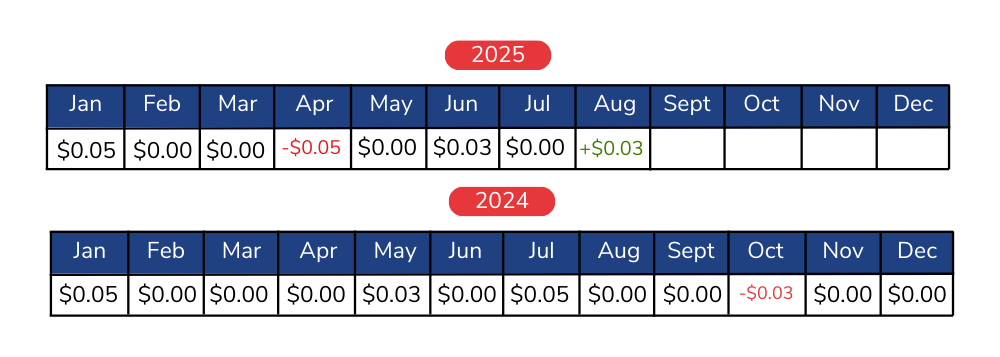
Resin pricing has seen modest but notable movement throughout 2024 and 2025. While the market has avoided extreme volatility, it continues to fluctuate enough that strategic timing can impact your costs.
Here’s a quick breakdown of what we’ve seen so far:
Early 2025 remained relatively flat, with no movement in January through March.
April 2025 saw a rare dip of –$0.05/lb, briefly pulling prices down.
That dip was followed by a slight increase of $0.03/lb in June and August.
When compared to 2024 trends, this year’s fluctuations have been more minor, but still worth watching:
July 2024 saw a price increase of $0.05/lb, the highest single-month jump of the year.
October 2024 saw a dip of—$0.03/lb, showing that downturns can and do occur late in the year.
At A-Pac Manufacturing, we actively monitor these changes so our customers can make informed purchasing decisions. Even small shifts in resin pricing can add up over large-volume orders, so having a partner who tracks the market closely can make a real difference.
What’s Driving Today’s Resin Prices?
While resin pricing has remained relatively stable so far in 2025, it’s important to understand the factors behind the movement, because even minor shifts can affect your purchasing strategy.
Raw Material Supply and Demand: The availability of key feedstocks like ethylene and propylene continues to shape resin costs. Any disruption in production or shifts in global demand can ripple through the pricing structure.
Global Shipping and Logistics: Port congestion, container shortages, and changes in shipping routes all impact the cost and timing of raw material delivery. While supply chains have improved since the peak disruptions of 2021–2022, they’re still a major variable.
Oil and Gas Markets: Since resin is derived from petroleum, crude oil prices remain a big influence. Even modest fluctuations in the oil market can put upward or downward pressure on resin pricing.
Geopolitical Events and Weather: Natural disasters, hurricanes, wildfires, and international conflict can quickly affect resin supply chains. For example, Gulf Coast storms can shut down key production facilities. Wildfires in transportation corridors can delay delivery routes and disrupt workforce operations—tightening supply and driving prices up.
The good news? So far, price swings this year have been relatively modest. But that doesn’t mean they’re insignificant—especially if you’re placing large or recurring orders. Timing your purchase around anticipated increases or dips can help you control costs without sacrificing quality or delivery speed.
Can I Still Find Poly Bags With Fast Lead Times?
The short answer: Yes—especially when you work with A-Pac Manufacturing.
While some manufacturers face extended production and delivery timelines, we consistently deliver poly bags in as little as 2 to 3 weeks for most orders. That’s not a rough estimate; it’s a standard we strive to meet every day.
We understand how delays in packaging can slow down your entire operation. That’s why we’ve built our production processes to stay lean, flexible, and responsive—even during periods of high demand or market fluctuation.
A couple of planning tips to keep in mind:
If you’re forecasting for fall or peak holiday production, placing larger or recurring orders now can help secure favorable pricing and turnaround times.
Our team is always available to help you map out timelines and find the most efficient path forward.
In a market where lead times can stretch unpredictably, having a packaging partner that delivers quickly—and reliably—gives you a strategic advantage.
4 Strategic Tips for Managing the Costs of Resin Prices
In a market where resin pricing can shift month to month, planning ahead isn’t just helpful—it’s essential. Here are four strategies to help you stay ahead of price changes and keep your packaging costs under control:
1. Order Ahead of Forecasted Increases
Even modest price hikes can make a difference at scale. If you hear about a potential increase, consider placing orders early to lock in current rates.
2. Buy in Bulk When It Makes Sense
Larger orders often mean better per-unit pricing and fewer disruptions to your production schedule. Buying in bulk can be a smart financial move if you have predictable packaging needs.
3. Be Proactive With Seasonal or Recurring Orders
Don’t wait for busy seasons to place your order if you know your demand patterns. Getting ahead of the curve can help you avoid rush fees or delays.
4. Partner With a Responsive Manufacturer
Working with a dependable supplier means having a team that actively monitors market trends, keeps you informed, and helps you plan with confidence. We’re here to support your success, not just fill your orders.
The bottom line? Small shifts in timing and order strategy can lead to real savings—and A-Pac is here to help you take advantage of every opportunity.
A-Pac’s Commitment to You
We know resin pricing and lead times aren’t just numbers—they directly affect your production schedules, profitability, and peace of mind.
That’s why we’re committed to:
Fast, consistent lead times
Transparent, up-to-date communication on pricing and supply
Responsive service from a team that understands your business
Whether you’re navigating seasonal demand, adjusting to market changes, or just trying to stay ahead, we’re here to help you plan smarter and move faster.
Need a quote or want to discuss an upcoming order?
Contact us today for all your poly packaging needs. Our team is ready to help you get the right bags, at the right time, for the right price.
With updated bag ban laws, California is making big moves to reduce single-use plastic waste. These laws are phasing out plastic carryout bags in grocery stores, retail shops, and more.
Starting January 1, 2025, pre-checkout bags must be made from recycled paper or compostable materials. By January 1, 2026, carryout bags will need to be recycled paper only.
If you’re a business owner, you might wonder how these changes will affect you. The good news? Custom bags made by A-Pac aren’t part of this ban. However, staying informed is still important to avoid confusion and ensure your business stays on the right track.
What Is the California Plastic Bag Ban?
California’s plastic bag ban is one of the most comprehensive efforts in the country to eliminate single-use plastic bags. The laws aim to reduce waste and encourage the use of environmentally friendly alternatives. Here’s what you need to know:
January 1, 2025: Pre-checkout bags (produce, deli bags, etc.) must be made from recycled paper or compostable materials.
January 1, 2026: Carryout bags must be made from recycled paper at the point of sale.
Stores can continue to sell reusable plastic bags made with recycled content or recycled paper bags until the 2026 deadline.
Bag Fees:
Stores are required to charge at least 10 cents per bag for reusable or recycled paper bags. The stores keep these fees to cover the cost of providing compliant bags.
Enforcement:
Local jurisdictions enforce the ban, including cities, counties, and the California Attorney General’s office. Violations can be reported to local district attorneys or the Attorney General’s office.
How Does The California Plastic Bag Ban Impact Businesses?
SB 270 will directly impact industries that provide bags directly to customers. Grocery, retail, food service, and liquor stores are among the most prominent sectors that must adjust their operations to meet the new requirements.
Affected businesses must phase out single-use plastic bags and transition to alternatives like:
Reusable Bags: Durable, recycled-content bags that customers can use multiple times.
Recycled Paper Bags: Fully compliant with the new laws, these will become the go-to option for pre-checkout and carryout needs.
Businesses should also educate customers about these changes, including the mandatory 10-cent bag fee and the benefits of using environmentally friendly options. Clear communication can prevent aggravation and ensure a smoother transition.
The legislation specifically targets single-use grocery and carryout bags, not industrial or custom-use plastic bags like those manufactured by A-Pac.
A-Pac’s custom-made solutions cater to specific business needs, including industrial, commercial, and specialty applications that fall outside the scope of the ban.
By understanding the law’s focus and making the necessary adjustments, businesses can stay compliant while continuing to serve their customers effectively. A-Pac is here to provide clarity and support to help you navigate these changes confidently.
Why Is It Important to Stay Updated on Bag Ban Legislation?
Plastic bag bans often make national headlines. These laws typically focus on single-use plastic grocery and carryout bags, but the news can lead to confusion about which types of plastic bags are affected.
Staying informed is crucial for businesses that rely on plastic products to avoid unnecessary concerns or operational disruptions.
The good news is that custom bags for industrial and specialized applications, like those manufactured by A-Pac, are not included in these bans.
By keeping up with the latest legislation, you can:
Avoid miscommunication with customers
Ensure your bag offerings align with local or state requirements.
Use accurate information to make strategic decisions for your business operations.
At A-Pac, we prioritize staying on top of industry regulations and sharing the latest updates with our customers. Whether you’re seeking clarity about bag bans or need expert advice on your custom bag options, we’re here to help.
Partner with A-Pac for Reliable Custom Bag Solutions
A-Pac Manufacturing specializes in creating custom-made bags for industrial, commercial, and specialized applications that fall outside the scope of plastic bag bans like California’s.
Our products are tailored to meet our clients’ unique needs, ensuring performance, reliability, and compliance with industry standards.
If you have questions about how the California plastic bag ban might affect your operations or want to explore custom bag solutions, A-Pac is here to help. Contact us today!
Understanding the materials used to produce these products can provide a significant advantage if you run a business that relies on poly bags and packaging.
One of poly bag production’s most critical components is polyethylene, a natural gas material. Since natural gas is the foundation for polyethylene production, fluctuations in natural gas prices can directly impact the cost of poly packaging materials.
Let’s look at the connection between natural gas and polyethylene, including the production process and insights into current market trends. Then, you’ll be equipped with information on how natural gas prices might affect your business’s packaging costs and bottom line.
How Natural Gas Powers the Industrial Production of Polyethylene
Natural gas plays a key role in making polyethylene, which is the material used to produce poly bags and other packaging products.
Here’s a breakdown of how it works:
Ethane Extraction: Natural gas contains ethane, which is separated from the gas to be used in polyethylene production.
Cracking Process: The ethane is heated to very high temperatures in a process called “cracking,” which turns it into ethylene. Ethylene is the basic ingredient needed to create polyethylene.
Making Polyethylene (Polymerization): The ethylene is then processed to create polyethylene through a process called polymerization. This material can then be shaped into plastic products like poly bags.
The Current State of Natural Gas Production
The United States is by far the largest natural gas producer in the world, representing almost a quarter of global production. This results from the discovery of vast natural gas reserves and advancements in extraction technologies like fracking.
Compared to oil, natural gas offers a more streamlined and cost-effective path to manufacturing polyethylene because its primary byproducts are specifically suited to plastics.
Current Market Trends: Natural Gas & Polyethylene Pricing
In October 2024, the U.S. benchmark Henry Hub natural gas spot price averaged $2.20/MMBtu, reflecting lower seasonal demand and high storage inventories.
Prices are expected to increase to an average of $2.90/MMBtu in 2025 due to higher liquefied natural gas (LNG) exports and sustained international demand.
This 33% increase could lead to higher costs for polyethylene production.
Natural Gas Production:
U.S. natural gas production remained steady throughout 2024, averaging 113 billion cubic feet per day (Bcf/d).
Natural gas production is forecasted to increase by 5-6% in 2025.
Natural Gas, Polyethylene & Your Business
As you can see, the connection between the availability of natural gas affects the production of polyethylene, which in turn affects the poly bags you use for your business.
Polyethylene is a vital resource for businesses that rely on poly bags and packaging. Whether you need flat poly bags, wicketed bags, or custom liners, the cost and availability of polyethylene directly influence your packaging budget.
Understanding these market dynamics can help you make smarter purchasing decisions. Here’s why:
Price Stability: If natural gas prices remain stable, the cost of polyethylene—and therefore poly bags—is less likely to see significant increases.
Global Supply Chain Considerations: With the U.S. leading in natural gas production, domestic polyethylene manufacturers are well-positioned to offer competitive pricing compared to international competitors.
Sustainability Trends: Natural gas-derived polyethylene supports efficient and eco-conscious production methods, aligning with the sustainability goals of many modern businesses.
Partner With A-Pac Manufacturing for All Your Poly Needs
At A-Pac Manufacturing, we deliver high-quality custom poly bags tailored to your needs. Whether you need flat bags, liners, or custom products, we provide cost-effective solutions and strategic support to help your business thrive.
If you’re curious about how current market conditions might affect your business, contact the experts at A-Pac Manufacturing today. We’ll explain your options and help you find the best solution for your poly bag needs. We love working with small businesses and want to be a strategic partner to help you thrive.
Contact us today or visit our website to explore our top-of-the-line poly bag and packaging offerings and request a free quote.
Recycling is becoming increasingly important to both consumers and businesses alike. As we strive to protect our environment and conserve resources, polyethylene recycling stands out as a crucial process.
Here at A-Pac Manufacturing, we’re dedicated to sustainability and have implemented robust recycling practices to make a positive impact.
Let’s explore the ins and outs of polyethylene recycling, its benefits and challenges, and how we’re doing our part to implement recycling initiatives.
LDPE is a soft, flexible plastic commonly used in products like plastic bags, film wraps, and squeeze bottles.
Recycling Process: LDPE recycling involves collecting plastic, cleaning it to remove contaminants, shredding it into smaller pieces, and then melting and reforming it into new products.
High-Density Polyethylene (HDPE):
HDPE is a tougher, more rigid plastic used in items such as milk jugs, detergent bottles, and plastic piping.
Recycling Process: The recycling of HDPE follows a similar process to LDPE, involving collection, cleaning, shredding, and remelting the plastic to create new, durable products.
Construction materials, including plastic lumber and piping
Household items like containers and bins
What are the Pros of Polyethylene Recycling?
Polyethylene recycling offers numerous benefits that positively impact the environment, economy, and natural resources. Here are some of the key advantages:
Environmental Benefits
Reduces landfill waste: Recycling polyethylene helps divert significant amounts of plastic waste from landfills, reducing environmental pollution and the burden on waste management systems.
Lowers carbon footprint: Recycling plastic consumes less energy than producing new plastic from raw materials, resulting in lower greenhouse gas emissions and a reduced carbon footprint.
Economic Benefits
Cost savings on raw materials: Using recycled polyethylene as a raw material reduces the need for new plastic, leading to substantial cost savings for manufacturers.
Creates jobs in the recycling industry: The recycling process generates employment opportunities in various sectors, from collection and sorting to processing and manufacturing.
Resource Conservation
Conserves natural resources: Recycling polyethylene helps preserve valuable natural resources, such as petroleum, which is used to produce new plastic. This reduces the demand for fossil fuels and supports more sustainable resource management.
Are There Any Cons of Polyethylene Recycling?
Polyethylene recycling offers many benefits, but it also comes with some challenges. However, the benefits of environmental, economic, and resource conservation far outweigh these concerns. So, don’t be deterred from recycling and using recycled plastic products—by investing in recycling and supporting the use of recycled plastic products, we can all contribute to a more sustainable future.
Challenges in Collection and Sorting
Difficulty in collecting and sorting plastics: One of the primary challenges is efficiently collecting and sorting different types of polyethylene. However, technological advancements and increased public awareness are helping to improve collection and sorting methods.
Quality Issues
Potential degradation in material quality: Recycled polyethylene can experience some degradation in quality after multiple recycling cycles, which may affect the durability and performance of the final products. Despite this, ongoing research and innovations in recycling techniques are constantly enhancing the quality of recycled materials.
Energy Consumption
Energy-intensive processes: Recycling plastic involves energy-intensive processes, which can be a concern. Nevertheless, the energy required for recycling is still significantly lower than that needed to produce new plastic from raw materials.
A-Pac Manufacturing’s Role in Polyethylene Recycling
At A-Pac Manufacturing, we understand the critical importance of polyethylene recycling. We’re committed to doing everything we can to contribute to environmental sustainability and implement recycling programs, create innovative products, and engage with our community.
Recycling Programs
We’ve established recycling initiatives designed to reduce plastic waste and promote sustainability. We actively help individuals and local businesses recycle their plastic by allowing them to bring their “scrap” to us.
We ensure that these materials are properly processed so they can be used to manufacture products, such as chairs and other practical items, preventing them from ending up in landfills.
Community Engagement
A-Pac Manufacturing is deeply committed to fostering a culture of sustainability within our community. Through our recycling program, we aim to raise awareness about the importance of sustainable practices and how they contribute to environmental conservation.
Innovative Products
Utilizing NuPlastiQ® technology, our poly bags incorporate up to 20% plant-based materials, providing a greener alternative to traditional plastic bags without compromising strength, durability, or versatility.
Our sustainable poly bags are designed to be environmentally friendly and practical. They offer benefits such as reduced reliance on fossil fuels, increased likelihood of biodegradation, and compatibility with recycling systems. Despite being more eco-friendly, these bags maintain the same functionality as traditional plastics, offering a lightweight, cost-effective solution that is customizable in various styles, colors, and branding options.
Join the Green Movement: Partner with A-Pac Manufacturing for a More Sustainable Future
We invite you to participate in our recycling programs and help us make a positive impact on the environment. Partner with A-Pac Manufacturing for your poly bag needs and discover how our sustainable solutions can benefit your business and the planet.
Together, we can create a greener, more sustainable future. Contact A-Pac Manufacturing today to learn more about our sustainable poly bag offerings and how you can get involved in our recycling initiatives.
There are many misconceptions about plastic bag recycling. Understanding the realities of plastic bag recycling can help you make informed decisions toward a greener future. Let’s dive into the truths behind plastic bag recycling.
The Reality of the Need for Plastic Bag Recycling
Plastic bags can have some adverse environmental impacts – their lightweight nature makes them prone to wind dispersal, leading to littering and harm to wildlife. But we can combat this with effective recycling solutions. Implementing efficient recycling systems can mitigate these issues by diverting plastic bags from landfills and promoting their reuse in eco-friendly ways.
3 Common Misconceptions About Plastic Bag Recycling
Let’s debunk some common myths surrounding plastic bag recycling and uncover the truth behind these misconceptions.
Myth #1: Plastic bags cannot be recycled
There’s a common misconception that plastic bags cannot be recycled due to their material composition. However, polybags are commonly made from low-density polyethylene (LDPE) or high-density polyethylene (HDPE), both of which are recyclable materials. Plastic bags can be recycled into new products by separating them from other recyclables and utilizing specialized processes.
Myth #2: Recycling plastic bags is not worth the effort
Some believe that the effort required to recycle plastic bags outweighs the benefits. In reality, every recycling effort, no matter how small, contributes to an eco-conscious environment. Recycling plastic bags reduces waste in landfills, conserves resources, and minimizes the carbon footprint associated with manufacturing new bags.
Myth #3: All plastic bags are the same
Contrary to popular belief, not all plastic bags are created equal. There are various types of plastic bags, including those made from recycled materials. At A-Pac Manufacturing, we offer sustainable solutions by producing bags from recycled plastics, supporting a circular economy, and reducing the environmental impact of plastic bag production.
A-Pac’s Dedication to Sustainability
At A-Pac Manufacturing, we’re dedicated to finding greener, more eco-friendly packaging solutions. Our more sustainable poly bags reflect our commitment to helping the environment while continuing to deliver the quality and reliability our clients expect.
Greener Poly Bags From A-Pac Manufacturing
Our more sustainable poly bags are designed to meet the growing demand for eco-conscious packaging. Our clients can choose poly bags with up to 20% plant-based material, thanks to our partnership with NuPlastiQ® technology.
Why Choose More Sustainable Poly Bags?
Our sustainable poly bags are crafted from up to 20% plant-based polymer, a renewable resource that offers the same strength, durability, and affordability as traditional plastics. What sets these bags apart is their ability to biodegrade more rapidly, aligning with the principles of sustainability.
Sustainable Poly Bag Technology
Our innovative poly bags utilize NuPlastiQ® plant-based polymer, which can biodegrade quickly when exposed to natural microorganisms. When combined with our robust poly bag materials, this technology accelerates the biodegradation process, providing a more environmentally friendly alternative to conventional plastics.
Answer The Demand for Eco-Friendly Packaging
A-Pac’s more sustainable poly bags not only meet the demand for eco-friendly packaging but also offer a customizable solution for our clients. Whether you need custom branding, different bag styles, or specific mil strengths, our poly bags with plant-based components can reduce your carbon footprint by up to 20%.
Benefits of Our More Sustainable Poly Bags
Incorporating plant-based polymers reduces reliance on fossil fuels and increases the likelihood of biodegradation. Our poly bags are compatible with recycling systems, ensuring a closed-loop approach to sustainability. Additionally, they offer cost-effective packaging options without compromising on quality or performance.
Request Your Free Quote for More Sustainable Poly Bags Today!
Join us in making a positive impact on the environment while meeting your packaging needs. Take the next step towards sustainable packaging solutions by reaching out to us for a free quote on our more sustainable poly bags. Contact the A-Pac Manufacturing team today, and let’s work together to create a greener future!