
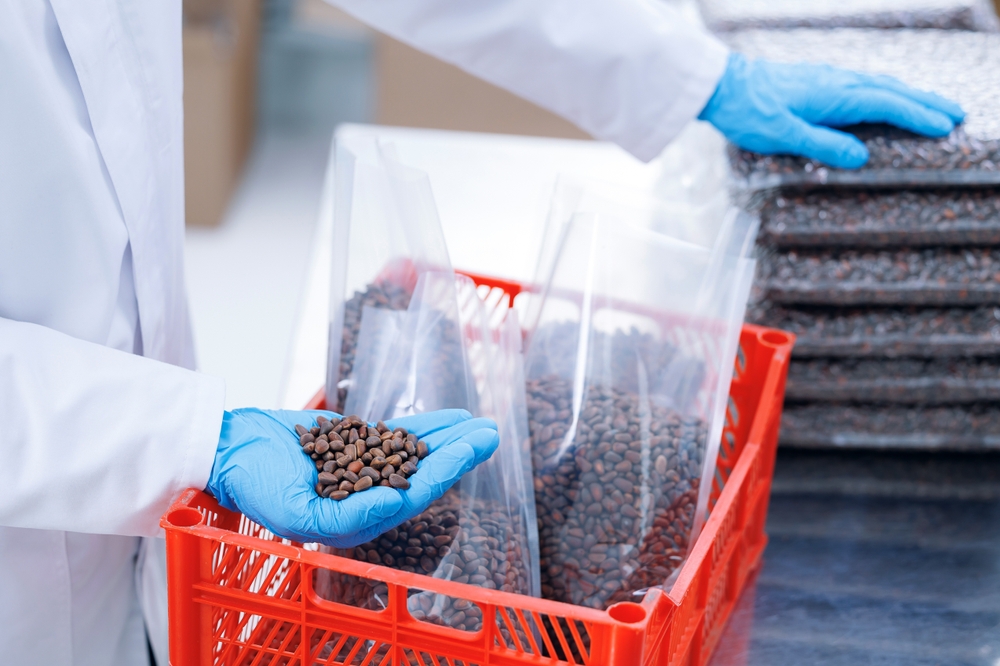
If you sell food, you know that packaging isn’t just a container—it’s a core part of product quality. The right flexible food packaging helps preserve freshness, extend shelf life, reduce waste, and protect your brand at every point in the supply chain.
Behind that performance is one essential material: polymers.
Advanced polymers act as powerful barriers against moisture, oxygen, and contaminants. These polymer structures are engineered to seal in flavor, maintain texture, prevent spoilage, and keep products safe throughout storage and transport.
That’s why polymers are the foundation of modern flexible packaging—they deliver the protective performance food products need to stay fresher for longer.
In this article, we break down the science behind polymer flexible packaging—what it is, how it works, and why today’s food manufacturers rely on advanced polymer structures to balance protection, efficiency, and sustainability.
What Is Flexible Food Packaging?
Flexible food packaging refers to film-based materials that bend, fold, or conform to the product they protect.
Unlike rigid packaging—such as cans, jars, or hard plastics—flexible packaging is lightweight, adaptable, and engineered to deliver targeted barrier performance without unnecessary bulk.
Common formats of flexible food packaging include:
- Poly bags
- Roll stock and sheeting
- Food pouches
- Liners
- Vacuum bags
- Multi-layer barrier films
Manufacturers choose flexible packaging because it:
- Protects food from moisture, oxygen, and contaminants
- Reduces material consumption compared to rigid containers
- Minimizes shipping weight and storage space
- Works efficiently on modern filling and sealing equipment
- Provides strong seals and durability through distribution
In short, flexible food packaging offers high performance with greater efficiency.
Why Do Polymers Lead the Way in Food Packaging?
Polymers dominate food packaging because their molecular structure allows them to be lightweight, formable, and highly protective. Plus, they’re far more versatile and efficient than alternatives like paper, foil, or rigid plastics.
What Are Polymers?
Polymers are long chains of repeating molecules that determine a material’s strength, clarity, flexibility, and barrier performance. By controlling how these chains are arranged, manufacturers can create films specifically engineered for moisture resistance, oxygen control, puncture strength, and seal performance.
Common Polymer Types in Food Packaging:
While formulations vary, most flexible food packaging is built from the following:
- LDPE (Low-Density Polyethylene) — soft, flexible, great clarity
- LLDPE (Linear Low-Density Polyethylene) — high puncture resistance
- HDPE (High-Density Polyethylene) — excellent moisture barrier, stronger and stiffer
- Polypropylene (PP) — crisp clarity and heat resistance
- Nylon — toughness for heavy or sharp-edged products
- EVOH — exceptional oxygen-barrier performance
Why Polymers Work So Well for Food Packaging:
Food manufacturers rely on polymer-based films because they offer:
- Lightweight strength — protection without bulk
- Excellent sealability — supports freshness and food safety
- Customizable barrier properties — moisture, oxygen, odor, and contaminant control
- Reliable performance — consistent results at high production speeds
- Cost efficiency — reduced material and lower shipping weight
These advantages give polymer packaging a unique ability to balance protection, efficiency, and sustainability, which are key priorities for modern food operations.
Why Food Manufacturers Rely on Flexible Polymer Packaging
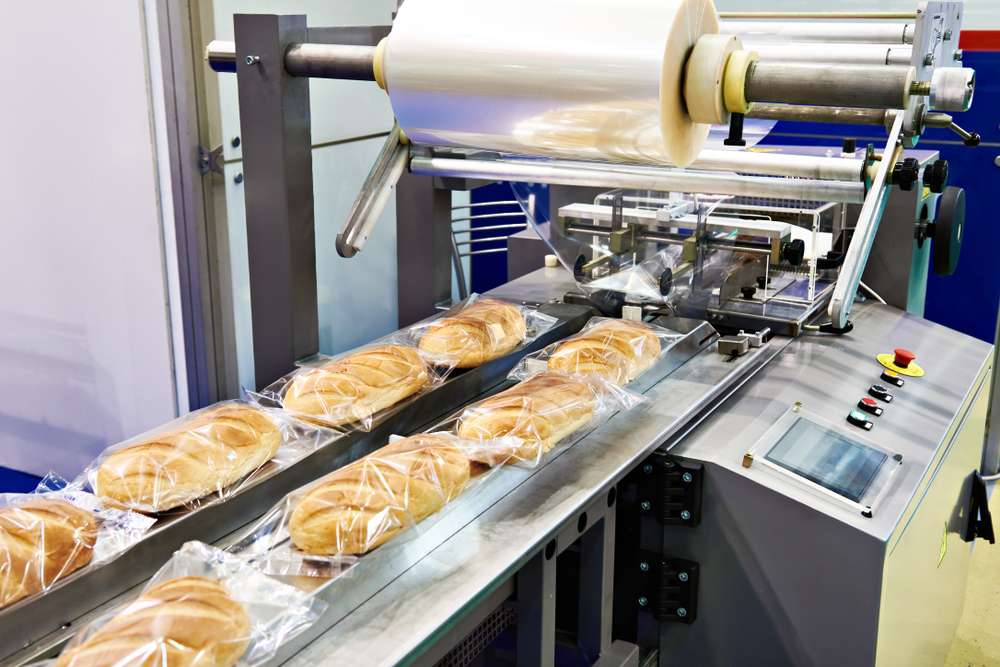
Across the industry, polymer-based flexible packaging delivers the performance and efficiency food producers need:
- Extended shelf life
- Superior product protection
- Lower material and shipping costs
- Reduced waste
- Consistent quality on high-speed lines
- Customization for any food product
These advantages are why polymer flexible packaging remains the go-to choice for brands focused on safety, freshness, and operational efficiency.
FAQ: Quick Answers About Polymer Food Packaging
Q. What is flexible food packaging made of?
A. Primarily polyethylene (LDPE, LLDPE, HDPE), polypropylene, nylon, and high-barrier polymers like EVOH.
Q. Why are polymers used for food packaging?
A. They provide lightweight strength, excellent barrier protection, and dependable sealing performance.
Q. Are polymer films safe for food?
A. Yes. Food-grade polymers meet stringent FDA and industry safety standards.
3 Major Science-Backed Benefits of Polymer Packaging
Polymer performance comes down to chemistry. The length and structure of molecular chains determine how a film behaves, including its strength, flexibility, clarity, and resistance to gases and moisture.
1. Barrier Protection: The Key to Freshness
The primary job of flexible food packaging is to protect freshness. Polymer film structures do this through three critical barrier functions: moisture control, oxygen resistance, and contaminant protection.
Moisture Control – Moisture can ruin texture, encourage spoilage, or dry out products.
- For baked goods — packaging must lock moisture in.
- For snacks — packaging must keep moisture out.
- For produce — films often balance breathability and protection.
Oxygen Resistance – Exposure to oxygen leads to rancidity, discoloration, mold growth, and flavor degradation.
- High-barrier materials, such as EVOH (ethylene-vinyl alcohol copolymer), dramatically reduce oxygen transmission, thereby extending the shelf life of products like coffee, sauces, deli items, and high-fat foods.
Contaminant & Odor Protection – Multi-layer films create a physical shield against:
- Airborne contaminants
- Odors
- External flavors
- Dust and particulates
2. Strength Meets Flexibility
Flexible packaging must withstand the rigors of manufacturing, sealing, distribution, and retail handling. Polymer films deliver this through:
- High puncture and tear resistance
- Strong, consistent seals
- Durability across temperature variations
- Impact resistance through shipping and storage
This engineered strength, paired with film flexibility, is what makes polymer packaging reliable across demanding food supply chains.
3. Sustainability in Flexible Polymer Packaging
As sustainability becomes more central to food brands, polymer technologies continue to evolve.
Downgauging – Modern polymers enable manufacturers to achieve the same strength using thinner films, thereby reducing consumption and lowering shipping emissions.
Recyclable Mono-Material Structures – Replacing mixed-material films with single-polymer designs improves recyclability and supports circular economy initiatives.
Lower-Emission Resin Technologies – Newer polymer formulations reduce the environmental footprint of manufacturing without sacrificing performance.
A-Pac Manufacturing Is Here To Support Your Food Packaging Needs
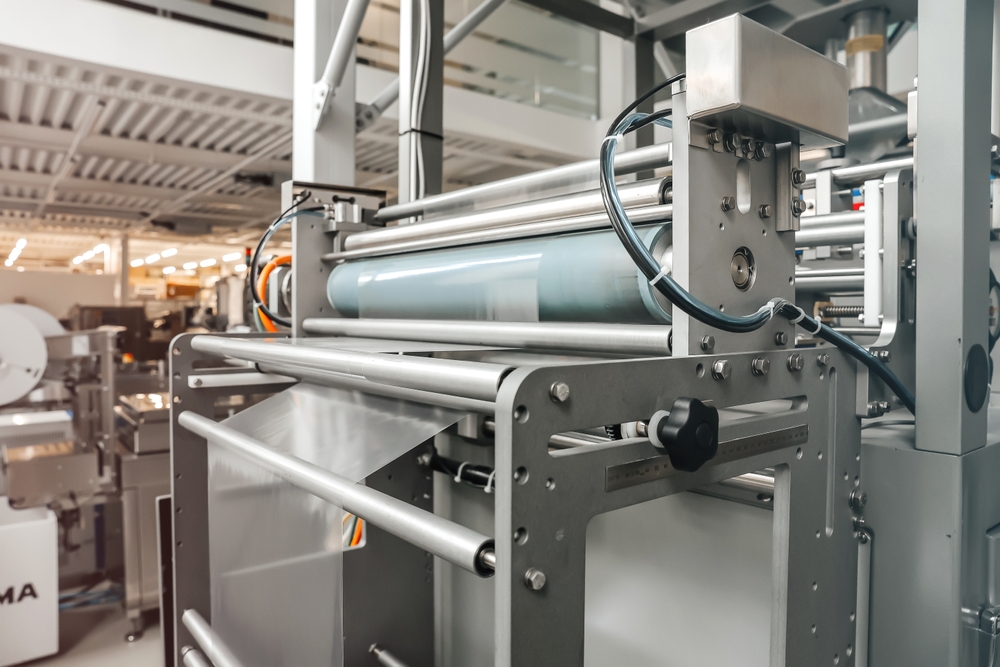
A-Pac Manufacturing combines material expertise with custom polymer film engineering to help food brands achieve the exact packaging performance they need. We deliver:
- Custom poly bags and films tailored to product, process, and barrier requirements
- Precision manufacturing with tight tolerances and consistent results
- High-quality polymer blends optimized for strength, clarity, and protection
- Fast lead times and reliable production
- Collaborative support to help you choose the right film for your application
Whether you’re packaging produce, bakery items, proteins, snacks, or specialty foods, we can design a flexible packaging solution that protects freshness and streamlines your operation.
Ready to Improve Your Food Packaging?
A-Pac Manufacturing creates polymer-based flexible packaging solutions that protect your food products and support your manufacturing needs.
Request a quote or contact our team to get started.