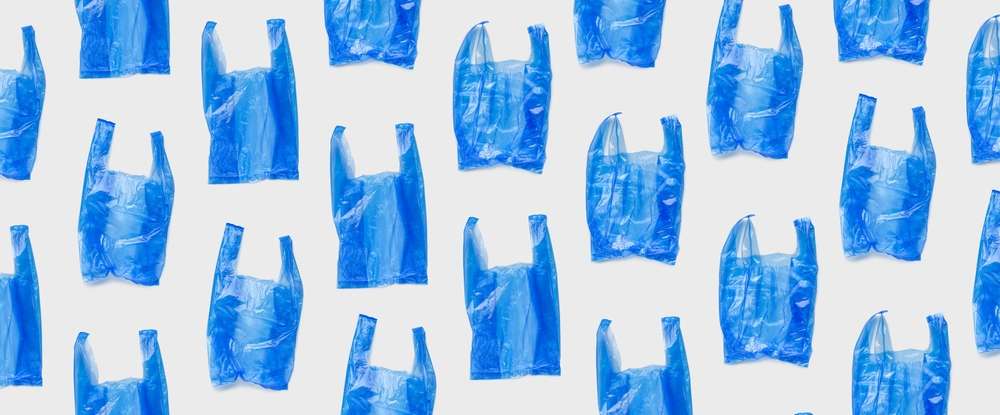
When it comes to packaging, the terms “poly bag” and “plastic bag” are often used interchangeably. But in the packaging world, those two labels don’t always mean the same thing. Understanding the difference can make a big impact on your operations.
For businesses that rely on packaging to protect, store, and ship their products efficiently, choosing the wrong choice can lead to damaged goods, poor presentation, or wasted material. The right one, on the other hand, can streamline your process and strengthen your brand.
At A-Pac Manufacturing, we often hear from customers who ask the same question: “What is the difference between plastic bags and poly bags?”
In this post, we’ll clear up that confusion once and for all. We’ll explain how poly bags differ from standard plastic bags, explore their unique characteristics and advantages, and help you determine which option best suits your business needs.
What Is the Difference Between Plastic Bags and Poly Bags?
At first glance, plastic bags and poly bags might look the same: clear, flexible, and lightweight. But when we dig a little deeper, the differences in materials and performance become clear.
Plastic bag is a broad term that covers any bag made from synthetic polymers — materials created through chemical processes that produce durable, moldable plastics.
- This includes everything from grocery sacks and trash liners to retail shopping bags and even some industrial packaging.
- These bags can be made from various plastics, including polypropylene (PP), polyvinyl chloride (PVC), and polyethylene (PE).
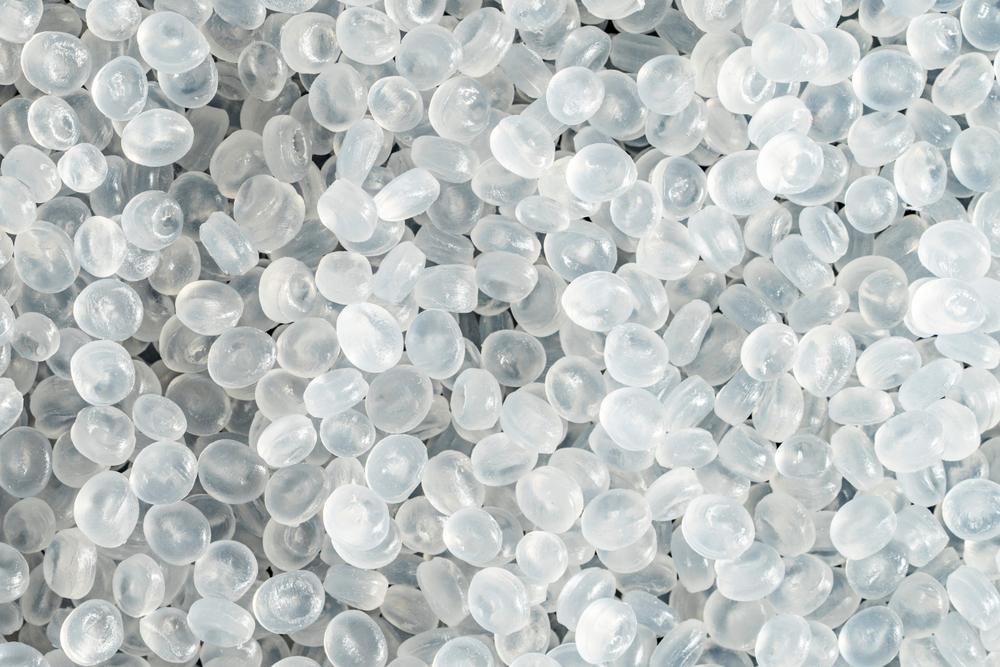
Poly bags, on the other hand, are a more specific type of plastic bag. They’re made exclusively from polyethylene (PE) — one of the most common and versatile plastics used in packaging. Within this category, there are two main types:
- Low-Density Polyethylene (LDPE): Offers flexibility, clarity, and softness, making it ideal for packaging products that require easy visibility and handling.
- High-Density Polyethylene (HDPE): Provides greater strength, rigidity, and puncture resistance, great for heavier or more durable packaging needs.
In short, all poly bags are plastic bags, but not all plastic bags are poly bags.
So why does this distinction matter?
For businesses in manufacturing, retail, and e-commerce, knowing what your packaging is made of directly affects your bottom line. Poly bags offer a better balance of clarity, strength, and cost efficiency for bulk packaging, shipping, and custom branding, making them the go-to choice for numerous business applications.
Key Characteristics of Poly Bags
Poly bags are the workhorse of modern packaging. They’re simple, versatile, and effective. Their strength lies not only in their material but also in their ability to adapt to different business needs.
Here’s what sets them apart:
Material:
Poly bags are made from polyethylene (PE) — a plastic resin known for its balance of durability, flexibility, and clarity. This makes them suitable for a wide range of applications, from lightweight retail packaging to heavy-duty industrial use.
Common Forms:
Depending on your product and process, poly bags come in several styles, including:
- Flat poly bags – Simple open-top bags ideal for manual or automated packing.
- Resealable (zip-top) bags – Perfect for items that need to be opened and closed multiple times.
- Gusseted bags – Expandable sides or bottoms for bulkier items.
- Poly mailers – Durable envelopes designed for e-commerce shipping.
Advantages of Poly Bags:
- Lightweight yet strong: Keeps shipping costs low without sacrificing protection.
- Moisture- and dust-resistant: Ideal for protecting products in storage or transit.
- Cost-effective: Efficient to produce and available in bulk quantities.
- Customizable: Can be tailored to your specific size, thickness, color, or printed with your branding.
For businesses that prioritize product protection, consistency, and presentation, poly bags deliver on all fronts. Whether you’re packaging components, apparel, or food products, polyethylene provides a clean, professional look and dependable performance.
Characteristics of Regular Plastic Bags
While poly bags are a specific and highly reliable type of plastic packaging, the broader category of plastic bags includes a variety of materials, each with its own strengths and limitations. Understanding these differences can help you choose the best fit for your product and business priorities.
Broader Material Base:
Plastic bags can be made from many synthetic polymers, including:
- Polypropylene (PP): Known for exceptional clarity and stiffness. Often used for retail packaging where presentation matters — like baked goods, cards, or textiles.
- Polyvinyl Chloride (PVC): Offers rigidity and durability but is less common today due to environmental concerns.
- Compostable or biodegradable plastics: Made from plant-based materials (such as polylactic acid), they are becoming increasingly popular among eco-focused brands. However, they may come at a higher cost and require specific disposal conditions.
Common Examples:
- Grocery and shopping bags
- Trash liners
- Merchandise bags
- Some types of shrink or stretch film
Pros and Cons:
- Pros:
- PP bags can offer superior transparency for retail display.
- PVC and other rigid plastics provide strength and form for specialty packaging.
- Compostable plastics support sustainability initiatives.
- Cons:
- Not all are suitable for long-term storage or heavy products.
- Some materials are less flexible or more expensive to produce.
- Recyclability varies — not all plastics can be processed through standard recycling streams.
In short, while regular plastic bags may have their place, poly bags often strike the best balance between durability, flexibility, cost, and environmental responsibility, especially for businesses managing large-scale packaging and shipping operations.
Poly Bag vs. Plastic Bag: Which Is Right for Your Business?
Choosing between poly bags and other types of plastic bags ultimately comes down to your product, environment, and goals. While both serve a purpose, understanding their performance in real-world conditions helps ensure you’re getting the best value and functionality.
Here’s a quick comparison to guide your decision:
| Factor | Poly Bags (Polyethylene) | Other Plastic Bags (PP, PVC, etc.) |
| Material | Made from polyethylene (LDPE or HDPE) | Can include polypropylene, PVC, compostable plastics, etc. |
| Flexibility & Strength | High flexibility with excellent puncture and tear resistance | Varies by material; some are rigid or brittle |
| Clarity | Good clarity (especially LDPE) | PP often provides higher transparency |
| Moisture Resistance | Excellent — ideal for storage and shipping | Varies; some are less moisture-resistant |
| Customization | Easily printed, sized, and sealed | Customization is possible, but may be limited by the material |
| Sustainability | Recyclable in most PE recycling streams | Varies — some recyclable, others not |
| Cost Efficiency | Cost-effective for bulk packaging | May cost more depending on resin and processing |
| Best For | Industrial, e-commerce, and retail packaging | Retail display, specialized or short-term use |
When evaluating your packaging, consider:
- Product Type: How heavy, fragile, or sensitive is your product?
- Storage Environment: Will it be exposed to moisture, temperature fluctuations, or prolonged storage?
- Sustainability Goals: Do you prioritize recyclable or biodegradable materials?
- Branding Needs: Do you need custom printing or branded packaging?
For most manufacturers, distributors, and online retailers, poly bags are the clear winner—offering the ideal mix of strength, cost efficiency, and versatility.
At A-Pac Manufacturing, we specialize in helping businesses identify the perfect packaging solution, whether that’s a custom-sized flat bag, branded poly mailer, or specialty gusseted option.
The Clear Choice: Why Poly Bags Are Better for Business
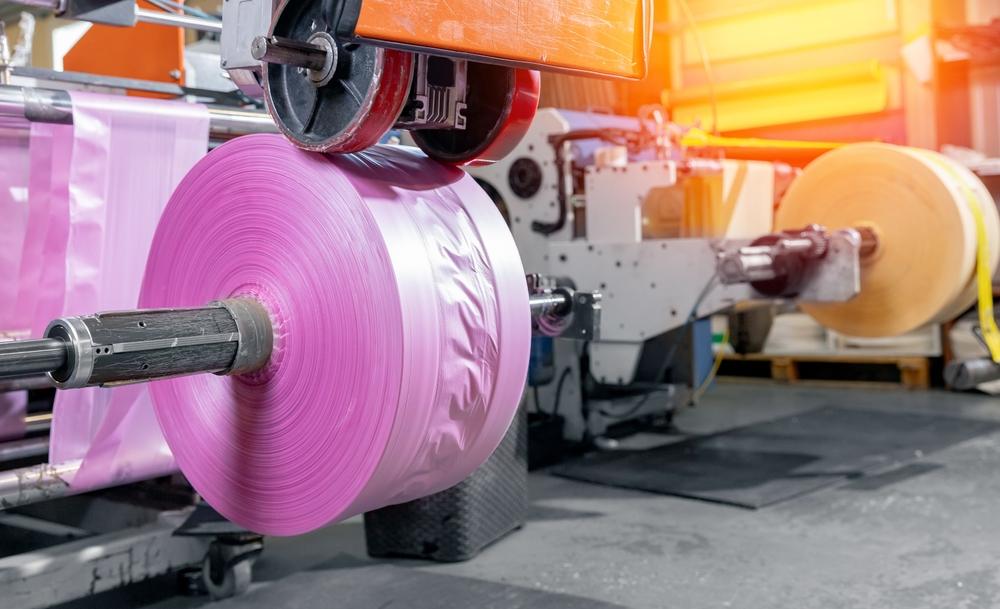
While all poly bags are technically plastic bags, not all plastic bags offer the same durability, flexibility, or reliability that polyethylene provides.
For most businesses (especially those in manufacturing, retail, or e-commerce), poly bags deliver the best balance of strength, cost-efficiency, and presentation. They’re built to protect your products, streamline your shipping, and reflect the quality of your brand.
At A-Pac Manufacturing, we’ve spent decades helping businesses design and source custom poly bag solutions that meet their exact needs. Whether you’re packaging food products, small parts, or bulk materials, we can help you select the right size, thickness, and style custom bag that supports your brand and bottom line.
Ready to find the best packaging for your business?
Contact A-Pac Manufacturing today for expert guidance or to request a quote on custom poly bag solutions.