How to Reduce Packaging Waste in Manufacturing: 7 Proven Strategies

How to Reduce Packaging Waste in Manufacturing: 7 Proven Strategies

Reducing packaging waste has become a priority for manufacturers, and not just because of sustainability goals. Rising material costs, increasing freight expenses, and growing customer expectations are driving companies to rethink how they package, protect, and ship their products.

The good news is that reducing packaging waste doesn’t necessarily mean using less packaging. In many cases, it means using smarter packaging.

The right packaging strategy can reduce material consumption, improve shipping efficiency, minimize product damage, and lower total operating costs without sacrificing performance.

Whether you’re evaluating your current packaging program or searching for more sustainable packaging solutions, small improvements in package design and material selection can have a significant impact across your operation.

In this guide, we’ll explore seven practical strategies manufacturers can use to reduce packaging waste while maintaining the durability, efficiency, and product protection their operations depend on.

Key Takeaways:

  • Right-size packaging to eliminate unnecessary material.
  • Explore downgauging opportunities using modern polyethylene films.
  • Select the right resin for each application.
  • Reduce waste by preventing product damage.
  • Improve packaging line and shipping efficiency.
  • Partner with a manufacturer that can optimize your packaging—not just supply it.

Why Packaging Waste Reduction Matters in Modern Manufacturing

Packaging waste affects far more than your sustainability metrics. Every unnecessary inch of film, oversized bag, damaged shipment, or inefficient pallet configuration increases costs throughout your supply chain.

Today’s manufacturers are balancing several competing priorities:

  • Controlling material and resin costs
  • Reducing shipping and freight expenses
  • Meeting corporate sustainability and ESG goals
  • Improving warehouse and packaging line efficiency
  • Protecting products throughout storage and transportation
  • Responding to customer expectations for more sustainable packaging

The most successful companies aren’t simply trying to eliminate plastic wherever possible—they’re optimizing their packaging systems to use the right amount of material for each application.

For many manufacturers, that means evaluating everything from package dimensions and film thickness to resin selection and packaging automation.

Quick Answer: How Can Manufacturers Reduce Packaging Waste?

Manufacturers can reduce packaging waste by using right-sized packaging, optimizing film thickness through downgauging, selecting the appropriate polyethylene material, preventing product damage, improving packaging line efficiency, optimizing shipping methods, and partnering with a packaging manufacturer that can engineer solutions for both performance and sustainability.

Rather than relying on a single change, the greatest reductions in packaging waste typically come from improving multiple areas of the packaging process.

Seven Strategies Manufacturers Can Use to Reduce Packaging Waste

Reducing packaging waste isn’t about finding one quick fix. It’s about identifying opportunities throughout your packaging operation where small improvements can deliver measurable savings.

The following strategies can help manufacturers reduce material usage, lower shipping costs, improve operational efficiency, and support long-term sustainability initiatives without compromising product protection.

1. Right-Size Your Packaging

One of the simplest (and often most overlooked) ways to reduce packaging waste is to use packaging that’s appropriately sized for the product being shipped.

Many manufacturers rely on a limited number of standard bag sizes to package a wide range of products. While this may simplify inventory management, it often results in oversized packaging that uses more material than necessary and creates excess empty space during shipping.

Right-sizing your packaging helps eliminate this unnecessary waste while improving overall packaging efficiency.

Benefits of right-sized packaging include:

  • Reduced plastic consumption
  • Lower material costs
  • Less void space within each package
  • Improved pallet density and cube utilization
  • Lower shipping costs
  • More professional product presentation

For manufacturers shipping products with varying dimensions, custom poly bags often provide a more efficient solution than relying on one or two generic sizes.

Instead of adapting your products to fit your packaging, custom packaging allows the packaging to fit your products.

At A-Pac Manufacturing, custom poly bags can be produced in virtually any size and specification, helping manufacturers minimize excess material while maintaining the protection their products require.

Questions to Ask When Evaluating Your Packaging:

Before placing your next packaging order, consider:

  • Is this bag larger than necessary for the product?
  • Are we shipping unnecessary air or excess material?
  • Could a custom bag size reduce plastic usage without affecting protection?
  • Are multiple products sharing the same oversized packaging when custom sizing would be more efficient?

Even modest adjustments to package dimensions can yield meaningful material savings across thousands of units annually.

Related Reading: How to Choose the Right Size Poly Bag For Your Needs

2. Reduce Material Through Downgauging

Many manufacturers assume that thicker packaging automatically provides better protection. In reality, advances in polyethylene resins and film technology make it possible to achieve the same performance with less material.

This process is known as downgauging, and it involves reducing the thickness (or gauge) of a poly bag while maintaining the strength, puncture resistance, and durability required for the application.

Downgauging isn’t simply about using less plastic. It’s a strategic engineering decision that balances material efficiency with packaging performance.

When implemented correctly, downgauging can help manufacturers:

  • Reduce resin consumption
  • Lower packaging costs
  • Decrease package weight
  • Improve shipping efficiency
  • Support corporate sustainability initiatives
  • Reduce overall packaging waste

For example, a packaging application using a thicker-than-necessary film may transition to a thinner, higher-performance polyethylene blend that provides comparable protection while using less material.

However, downgauging should always be evaluated carefully. Every application has unique requirements based on product weight, shape, handling conditions, storage environment, and shipping method. Before making changes, manufacturers should test new film gauges to ensure they continue to meet performance expectations for puncture resistance, seal strength, and product protection.

An experienced packaging manufacturer can help evaluate these variables and recommend opportunities to reduce material without introducing unnecessary risk.

3. Choose the Right Polyethylene Material for the Job

Reducing packaging waste isn’t always about changing the size or thickness of a bag. Sometimes, the biggest opportunity comes from selecting a more appropriate packaging material.

Not all polyethylene films perform the same. Different resin types offer unique combinations of flexibility, stiffness, clarity, strength, and moisture resistance. Choosing the right material can improve package performance while allowing manufacturers to use less material overall.

Some of the most common polyethylene materials include:

LDPE (Low-Density Polyethylene)

LDPE is known for its flexibility, clarity, and excellent sealing properties. It’s commonly used for general-purpose packaging, food packaging, and applications where flexibility and moisture resistance are important.

LLDPE (Linear Low-Density Polyethylene)

LLDPE offers greater puncture and tear resistance than traditional LDPE, making it an excellent choice for heavier or more demanding applications. Because of its increased strength, LLDPE may also create opportunities for downgauging.

HDPE (High-Density Polyethylene)

HDPE provides excellent stiffness and strength while using less material than many other plastics. It’s commonly selected for lightweight applications that benefit from increased rigidity and cost efficiency.

Custom Polyethylene Blends

Many manufacturers benefit from custom resin blends that combine the strengths of multiple materials. By tailoring the film to the application’s specific performance requirements, it’s often possible to reduce overall material usage without sacrificing durability.

Selecting the wrong material can lead to unnecessary packaging waste. Manufacturers may compensate for poor material performance by specifying thicker film, oversized packaging, or additional protective materials—all of which increase costs and material consumption.

Working with a knowledgeable packaging partner can help ensure your packaging is engineered for the application rather than relying on a one-size-fits-all approach.

Related Reading: HDPE vs. LDPE: What’s the Difference?

4. Protect Products to Prevent Waste

One of the most overlooked sources of packaging waste isn’t the packaging itself—it’s damaged products.

When a shipment arrives damaged, the environmental and financial impact extends well beyond the original package. Manufacturers may need to replace the product, manufacture additional inventory, use more packaging materials, arrange return shipping, and absorb increased labor costs. Customer satisfaction and brand reputation can also suffer.

That’s why reducing packaging waste should never come at the expense of adequate product protection.

Instead, manufacturers should focus on using packaging that’s engineered for the specific demands of the application.

Depending on the product, that may include specialty packaging solutions such as:

  • Anti-static poly bags to protect sensitive electronic components from electrostatic discharge (ESD)
  • VCI poly bags to help prevent corrosion on metal parts during storage and transportation
  • UV-resistant poly bags for products exposed to prolonged sunlight or outdoor environments
  • Gusseted poly bags for bulky, irregularly shaped, or oversized products that require a better fit

Selecting the appropriate packaging solution helps reduce product damage, returns, and replacement shipments, often resulting in less waste than simply reducing material thickness alone.

This is why packaging optimization should always consider the total cost of ownership, not just the amount of plastic being used. The right package protects the product, minimizes waste throughout the supply chain, and supports both operational and sustainability goals.

5. Improve Packaging Efficiency Throughout Your Operation

Reducing packaging waste isn’t only about the packaging itself—it’s also about how efficiently your packaging operation runs.

Small inefficiencies on the packaging line can quickly add up to significant waste in the form of scrap material, rejected bags, inconsistent seals, unnecessary downtime, and excess labor. By optimizing packaging processes, manufacturers can reduce waste while improving productivity and throughput.

Consider evaluating areas such as:

  • Standardizing packaging procedures across production lines
  • Reducing scrap caused by improperly adjusted equipment
  • Improving seal consistency to minimize rejected packages
  • Selecting packaging designed for automated equipment
  • Training operators on best practices for handling packaging materials

For manufacturers running high-volume packaging lines, specialized packaging formats can also improve efficiency.

For example, wicketed poly bags are designed for fast, consistent dispensing and are commonly used with automated and semi-automated packaging equipment. Because bags remain organized and ready for loading, operators can package products more quickly while reducing handling errors and unnecessary waste.

Operational efficiency and sustainability often go hand in hand. When packaging lines run more smoothly, manufacturers typically use fewer materials, generate less scrap, and reduce the amount of packaging that ultimately becomes waste.

6. Optimize Shipping and Distribution

The way products are packaged directly affects shipping efficiency.

Oversized packaging, partially filled cartons, and unnecessary shipments all contribute to higher freight costs and additional packaging waste. Even small changes to packaging and shipping practices can significantly improve supply chain efficiency.

Manufacturers can reduce packaging waste during distribution by:

  • Consolidating shipments whenever possible
  • Using packaging sized appropriately for the product
  • Maximizing pallet utilization
  • Reducing unnecessary void space
  • Shipping products in fewer packages when timing allows
  • Planning inventory to reduce expedited shipments

These improvements don’t just reduce packaging waste—they can also lower transportation costs, improve warehouse utilization, and decrease fuel consumption throughout the supply chain.

As shipping costs continue to rise, packaging optimization has become an increasingly important part of controlling overall logistics expenses.

The goal isn’t simply to ship more products at once. It’s to ensure every package uses materials efficiently while protecting products throughout transit.

7. Partner with a Packaging Manufacturer That Focuses on Optimization

One of the most effective ways to reduce packaging waste is to work with a packaging manufacturer that does more than simply fulfill orders.

Rather than selecting standard stock bags for every application, manufacturers can benefit from a packaging partner that evaluates the entire packaging process and recommends opportunities for improvement.

An experienced packaging manufacturer can help identify ways to:

  • Right-size packaging to reduce excess material
  • Evaluate opportunities for downgauging
  • Recommend the most appropriate polyethylene resin
  • Improve product protection while minimizing waste
  • Support packaging automation initiatives
  • Balance performance, cost, and sustainability goals

This collaborative approach often uncovers opportunities to reduce material usage and improve operational efficiency that may otherwise go unnoticed.

At A-Pac Manufacturing, every packaging solution is designed around the customer’s application—not a one-size-fits-all product catalog. From custom poly bags and polyethylene tubing to specialty packaging solutions, A-Pac works with manufacturers to develop packaging that protects products while supporting cost reduction and sustainability initiatives.

Customers also benefit from:

  • Custom manufacturing to exact specifications
  • No minimum order requirements
  • Quick lead times
  • FDA- and USDA-compliant material options
  • FSSC 22000 and ISO 9001:2015 certified manufacturing
  • Nationwide delivery
  • A knowledgeable team that helps optimize packaging performance—not just supply packaging materials

When packaging is engineered specifically for the application, manufacturers can often reduce waste, improve efficiency, and lower total packaging costs over time.
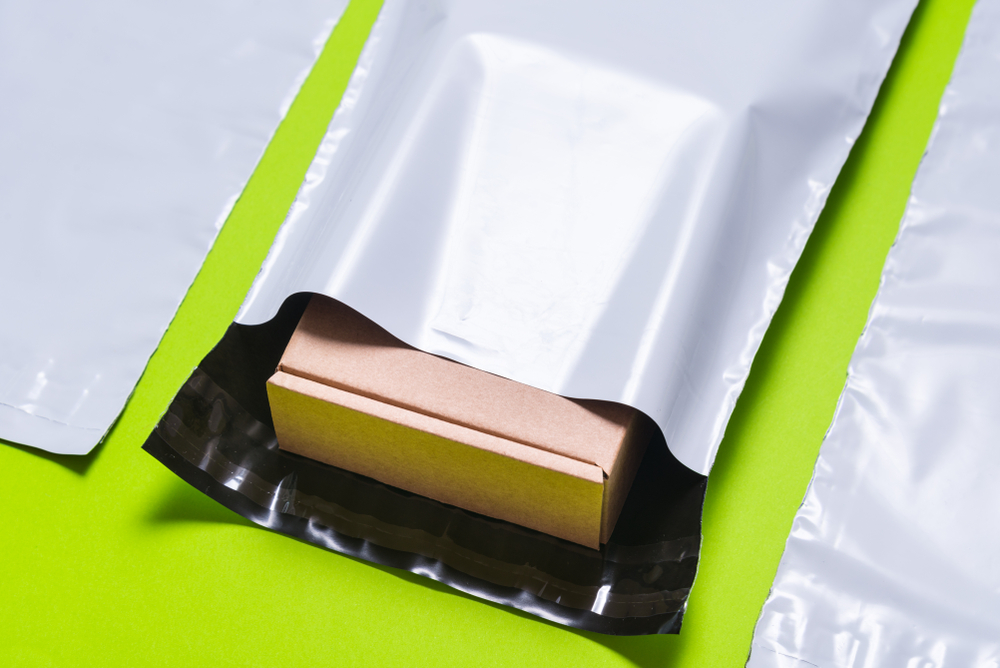
poly bag packaging

Packaging Waste Reduction Checklist

Before placing your next packaging order, ask yourself these questions:

Question Opportunity
Are we using bags that are larger than necessary? Reduce material usage through right-sizing.
Could a thinner film provide the same performance? Evaluate downgauging opportunities.
Are we using the best polyethylene material for this application? Improve strength while reducing waste.
Are damaged shipments increasing replacement costs? Optimize packaging design and protective features.
Is our packaging process generating unnecessary scrap? Improve operational efficiency and reduce waste.
Could shipping configurations be optimized? Lower freight costs and reduce packaging materials.
Are we working with a supplier who helps optimize our packaging? Identify long-term cost and sustainability improvements.

Even answering “yes” to one or two of these questions could reveal opportunities to reduce packaging waste while improving operational performance.

Frequently Asked Questions About Reducing Packaging Waste

How do manufacturers reduce packaging waste?

Manufacturers can reduce packaging waste by optimizing package size, selecting the appropriate packaging materials, reducing film thickness where possible, improving packaging line efficiency, minimizing product damage, and consolidating shipments. Working with a custom packaging manufacturer can also help identify opportunities to reduce material usage while maintaining product protection.

What is downgauging in flexible packaging?

Downgauging is the process of reducing the thickness (gauge) of packaging film while maintaining the strength and performance required for the application. Advances in polyethylene resin technology often allow manufacturers to use thinner films without sacrificing puncture resistance, seal strength, or durability.

When implemented correctly, downgauging can lower material costs, reduce shipping weight, and decrease packaging waste.

Does using thinner poly bags reduce product protection?

Not necessarily. Modern polyethylene materials often provide excellent strength even at thinner gauges. The key is selecting the appropriate material and thoroughly testing it for your specific application.

Rather than automatically choosing the thickest possible film, manufacturers should work with an experienced packaging supplier to determine the minimum gauge that still provides the required level of protection.

Are polyethylene poly bags recyclable?

Many polyethylene poly bags are recyclable through commercial and retail film recycling programs, although recycling capabilities vary by location.

Designing packaging with recyclable polyethylene materials and minimizing unnecessary mixed materials can support broader sustainability and circular economy initiatives.

What are sustainable packaging solutions for manufacturers?

Sustainable packaging solutions focus on reducing the overall environmental impact of packaging while maintaining product performance. This may include:

  • Right-sizing packaging
  • Downgauging where appropriate
  • Using recyclable polyethylene materials
  • Reducing product damage and returns
  • Improving shipping efficiency
  • Optimizing packaging design to use only the material required for the application

For many manufacturers, sustainability is achieved through packaging optimization rather than simply reducing the amount of plastic used.

Does custom packaging help reduce packaging waste?

Yes. Custom packaging is designed specifically for your product and application, helping eliminate unnecessary material while improving product protection and shipping efficiency.

Compared to oversized stock packaging, custom poly bags can reduce material usage, improve pallet utilization, lower freight costs, and minimize waste throughout the supply chain.

Summary of Packaging Waste Reduction Strategies

Strategy: Primary Benefit: Business Impact:
Right-size packaging Reduce excess material Lower material and freight costs
Downgauging Use less resin Reduce costs and packaging weight
Choose the right material
Improve performance Avoid over-packaging
Prevent product damage Reduce returns Lower replacement and shipping costs
Improve packaging efficiency Minimize scrap Increase productivity
Optimize shipping Reduce packaging per shipment Lower logistics costs
Partner with a packaging expert Optimize the entire packaging program Long-term cost savings and sustainability

Reduce Packaging Waste Without Sacrificing Performance With A-Pac Manufacturing

Reducing packaging waste isn’t about using the least amount of material possible—it’s about using the right amount of material for the job.

At A-Pac Manufacturing, we help manufacturers develop custom poly bag solutions that are engineered for their unique applications. From custom poly bags and polyethylene tubing to specialty packaging solutions, we work with manufacturers across a wide range of industries to deliver packaging that protects products, improves efficiency, and supports long-term success.

Ready to optimize your packaging? Request a quote today to discuss your application or request a quote for a custom poly bag solution.

How to Choose the Right Poly Bag to fit your needs cta
What Is Polyethylene Flexible Packaging for Food? Exploring Uses, Benefits, & Safety

What Is Polyethylene Flexible Packaging for Food? Exploring Uses, Benefits, & Safety

Polyethylene is a lightweight, durable plastic polymer used to create flexible and rigid packaging for food and consumer goods.

Discovered in the 1930s, polyethylene is now the most widely used plastic in the world due to its adaptability. 

Polyethylene flexible packaging for food​ comes in these forms:

Polyethylene can be engineered to be clear or opaque, thin or thick, soft or highly durable, making it suitable for a wide range of food products—from delicate produce to heavy or frozen items.

What Is Polyethylene Used for in Food Packaging?

Polyethylene flexible packaging for food is used for protection from contamination, moisture, oxygen, or to prevent handling damage. Its flexibility allows manufacturers to tailor packaging to specific food safety, shelf-life, and logistics requirements.

Common food packaging applications include:

  • Fresh produce bags
  • Bakery and bread bags
  • Meat and poultry overwrap
  • Frozen food packaging
  • Dry goods and bulk ingredient bags
  • Beverage multipacks and secondary packaging

Is Polyethylene Food Safe?

Yes—polyethylene is considered food safe when manufactured and handled under proper food safety standards.

Polyethylene flexible packaging for food​ is:

  • Non-toxic
  • Chemically stable
  • Non-reactive with food
  • Resistant to moisture and contaminants

What Are A-Pac’s Food Safety Standards for Polyethylene?

A-Pac is FSSC 22000 certified by Intertek, meaning our polyethylene packaging is produced under a globally recognized food safety management system aligned with Global Food Safety Initiative (GFSI) standards.

FSSC 22000 is one of the most important certifications a poly bag manufacturer can hold for food packaging. It is built on internationally recognized standards, including ISO 22000, combined with sector-specific prerequisite programs and additional scheme requirements.

As an FSSC 22000 certified manufacturer, A-Pac demonstrates a long-standing commitment to producing food-safe poly bags and polyethylene films that meet today’s regulatory expectations and customer requirements.

What Are the Benefits of Polyethylene Food Packaging?

Polyethylene flexible packaging for food is a top choice for its unmatched balance of performance and cost.

#1. Non-Toxic and Food Safe

Polyethylene does not interact with food products or leach harmful substances under normal use conditions. This makes it suitable for direct contact with a wide range of foods, including fresh produce, baked goods, frozen items, and dry ingredients.

When polyethylene packaging is produced by an FSSC 22000 certified manufacturer, you gain additional assurance that the material is handled, processed, and manufactured under a verified food safety management system.

#2. Highly Versatile and Customizable

Polyethylene’s adaptability is one of its greatest strengths. It can be manufactured into bags, films, tubing, sheets, and liners in a wide range of sizes, thicknesses, and configurations.

This versatility allows food manufacturers to:

  • Match packaging precisely to product size and weight
  • Choose clarity or opacity based on product visibility needs
  • Adjust film thickness for protection without excess material

Because polyethylene flexible packaging for food can be easily customized, it supports everything from small specialty food brands to high-volume commercial operations.

#3. Cost-Effective for Food Packaging Operations

Polyethylene is widely available and efficient to produce, making it one of the most cost-effective food packaging materials on the market.

Its affordability helps manufacturers:

  • Control packaging costs at scale
  • Reduce waste through right-sized packaging
  • Maintain margins without sacrificing performance or safety

For businesses balancing food safety requirements with budget constraints, polyethylene offers an optimal combination of performance and value.

#4. Lightweight for Efficient Shipping and Handling

Polyethylene packaging is extremely lightweight, which provides important logistical advantages.

Lighter packaging:

  • Reduces overall shipping weight and freight costs
  • Improves handling efficiency throughout distribution
  • Helps food manufacturers stay within shipping and pallet weight limits

These weight savings can add up quickly, especially for food and beverage products shipped in high volumes.

#5. Enhanced Protection and Shelf-Life Support

Polyethylene provides an effective barrier against moisture and, in many applications, oxygen exposure—two key factors that can negatively affect food quality.

This protective performance helps preserve freshness and texture, reduce spoilage caused by humidity, and extend shelf life for many food products.

By supporting product stability, polyethylene packaging plays a direct role in maintaining food quality and reducing waste.

#6. Durable and Resistant to Handling Damage

Despite being lightweight, polyethylene is a strong and resilient material. It resists tearing, punctures, and abrasion during normal handling, storage, and transportation.

This durability helps:

  • Protect food products from contamination and damage
  • Reduce packaging failures and product loss
  • Maintain package integrity from production to point of sale

Different formulations, such as LDPE and LLDPE, allow manufacturers to fine-tune strength and flexibility based on application needs.

What Are the Types of Polyethylene Food Packaging?

The two most commonly used types of polyethylene flexible packaging for food​ are:

  • Low-Density Polyethylene (LDPE)
  • Linear Low-Density Polyethylene (LLDPE)

They differ in strength, stretch, clarity, and resistance to punctures, which makes each better suited for certain food packaging applications. 

Both materials are widely used for food packaging because they are durable, flexible, and suitable for direct food contact when manufactured under appropriate standards.

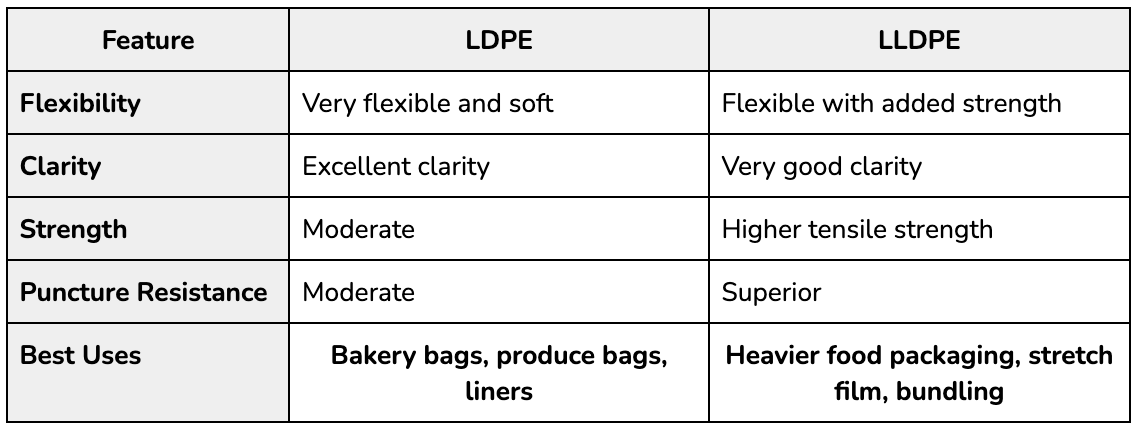
LLDPE vs. LDPE Comparison: What’s the Difference?

A-Pac uses both LLDPE and LDPE to create food-safe packaging tailored to your specific application.

LDPE vs. LLDPE comparison chart

In practice:

  • LLDPE excels in applications requiring strength, stretch, and puncture resistance.
  • LDPE is ideal for lightweight food packaging where softness and clarity matter.

Modern Applications of LLDPE & LDPE in Food Packaging

Polyethylene Tubing & Packaging Bags

Polyethylene tubing and bags typically range from 0.75 mil to 6 mil in thickness, allowing precise customization.

  • Thinner films → Ideal for fruits, vegetables, and bakery items
  • Thicker films → Suitable for frozen foods or heavier products

Tubing can be cut and sealed to exact lengths, reducing waste and improving efficiency.

Stretch Film for Food Packaging

LLDPE stretch film is widely used for:

  • Bundling products
  • Securing canned goods
  • Stabilizing palletized food products

Its high stretch rate, clarity, and low shrinkage temperature make it ideal for secondary food packaging.

Which Food-Safe Polyethylene Products Are Available?

A-Pac manufactures a wide range of polyethylene packaging solutions, including:

  • Flat poly bags
  • Wicketed poly bags
  • Gusseted poly bags
  • Poly bags on rolls
  • Side-weld poly bags
  • Bottom-seal poly bags
  • Staple-pack poly bags
  • Custom-printed poly bags

All products can be customized by size, thickness, clarity, and branding, with no minimum order requirements.

Is Polyethylene Food Packaging Sustainable?

Yes—polyethylene continues to evolve to meet modern environmental expectations while maintaining food safety and performance.

One of polyethylene’s key sustainability advantages is its recyclability. Many polyethylene films and bags can be collected and recycled into new products. This recyclability supports a more circular approach to packaging by extending the useful life of plastic materials and reducing the demand for virgin resin.

Compared to some alternative packaging materials, polyethylene is relatively energy-efficient to produce. Its manufacturing process typically requires less energy and results in lower greenhouse gas emissions than heavier or more complex packaging materials.

The polyethylene industry continues to invest in innovation, including:

  • Improved recyclable film structures
  • Increased use of post-consumer recycled (PCR) content where appropriate
  • Development of bio-based polyethylene derived from renewable resources

Partner With a Trusted Polyethylene Food Packaging Manufacturer

One of the reasons polyethylene remains a leading food packaging material is its ability to be precisely matched to specific applications. Choosing the right manufacturing partner is just as important as choosing the right material.

A-Pac’s FSSC 22000 food safety certification, combined with decades of manufacturing experience, supports consistent quality across food-contact applications. We work with customers across a wide range of industries, supplying polyethylene packaging for:

  • Perishable and fresh foods
  • Dry goods and ingredients
  • Food and beverage secondary packaging
  • Industrial and non-food applications

With the ability to customize size, thickness, and format—and without minimum order requirements—A-Pac supports both established food manufacturers and growing brands that need dependable, food-safe packaging solutions.

To learn more about available polyethylene packaging options or to discuss a specific application, get in touch with the A-Pac Manufacturing team or request a quote.

How to Choose the Right Poly Bag to fit your needs cta
Understanding Lead Times: What to Expect for the Production of Custom Poly Plastic Bags

Understanding Lead Times: What to Expect for the Production of Custom Poly Plastic Bags

Lead time is one of the most important factors when ordering custom poly plastic bags for your business. 

When do you need your bags? How long does bag production take? 

These are vital questions you need to ask your custom poly bag manufacturer. 

Since custom orders often involve unique specifications—such as size, style, branding, and special features—the production process can take longer than a standard off-the-shelf product. 

Understanding how lead times work can help you better manage your supply chain and avoid disruptions to your business.

What Are Lead Times and Why Do They Matter?

Lead times are the amount of time it takes for a custom poly bag manufacturer to produce and deliver a custom order after the initial request has been made. 

In custom poly bag production, lead times account for every step in the manufacturing process—from design and proof approvals to production and shipping.

Lead times directly impact when you receive your product. Knowing how long it will take to get your custom bags helps plan inventory and meet deadlines. 

A-Pac’s Commitment to Quick Production Turnaround:

At A-Pac Manufacturing, we understand the importance of timely deliveries, especially for custom orders. 

Other custom poly bag manufacturers may find it challenging to meet short-notice demands, but not us. We’re proud to maintain an impressive on-time delivery rate of over 99%. 

Our ability to meet tight deadlines without compromising on quality is a key part of what sets us apart. Even with fluctuating schedules, we always aim to provide fast and reliable service, ensuring your custom poly plastic bags arrive on time.

man inspecting poly bags

What Factors Affect Lead Times for Custom Poly Bags?

Several factors can influence how long it takes to produce and deliver custom poly bags. Depending on the specifics of your order, these variables can shorten or extend the lead time.

Significant factors that can affect plastic bag production time include: 

  • Size – length, width, depth, and thickness
  • Style – seals, handles, reinforced edges
  • Quantity  – large orders can take longer
  • Branding – custom logos, colors, additional branding elements
  • Additives – food grade capability, clarity, special coatings  
  • Proof Approvals – delays in approving proofs can significantly extend lead times
  • Complex Specifications – nonstandard sizes, unique materials, complex designs 

Note: Your lead time may be shorter if you already have a printed design and approved proof from the supplier. The order can take longer if you print a new order with many unique features, a nonstandard style, or custom logos. 

How Much Lead Time Should You Provide?

Lead times for custom poly bags generally range from four to five weeks. Very large or intricate orders may take up to six months. It’s crucial to consider these potential timelines and plan ahead to ensure your bags arrive when you need them.

At A-Pac Manufacturing, our average lead time is around 3 weeks. This includes design, proof approvals, production, and shipping. 

A good rule of thumb is to place your order at least four weeks before your desired delivery date to avoid any delays.

For example, if you need your bags by January 1, place your order by December 1 to give enough time for design adjustments, proof approvals, and production. Planning ahead ensures that your bags are ready exactly when you need them, without unnecessary stress or last-minute rushes.

The Custom Poly Bag Production Process

At A-Pac Manufacturing, we’ve implemented a five-step process to ensure you receive high-quality, custom products without delayed lead times. 

This is how we do it:

Step 1: Understanding Your Application and Unique Needs

At A-Pac Manufacturing, we take the time to get to know your specific application and how you’ll use our products. Whether it’s size, durability, or other key features, we work closely with you to ensure our bags meet your exact needs. 

After we analyze your unique needs, we’ll develop a plan to develop a custom-made product that is the best-performing and most economical solution for your business.

Step 2: Poly Film Production

With the bag design specifications and necessary features laid out, the film is ready to be produced. We will manufacture the poly film for your bags to the desired gauge (mil strength), color, bag clarity, and food-grade capability. 

Our poly film is manufactured through a process called extrusion molding. In this process, the polyethylene is melted from pellets and then pushed through a die to form a bubble, which facilitates the cooling of the film to the required thickness. 

Then, the film is used to create the bags. 

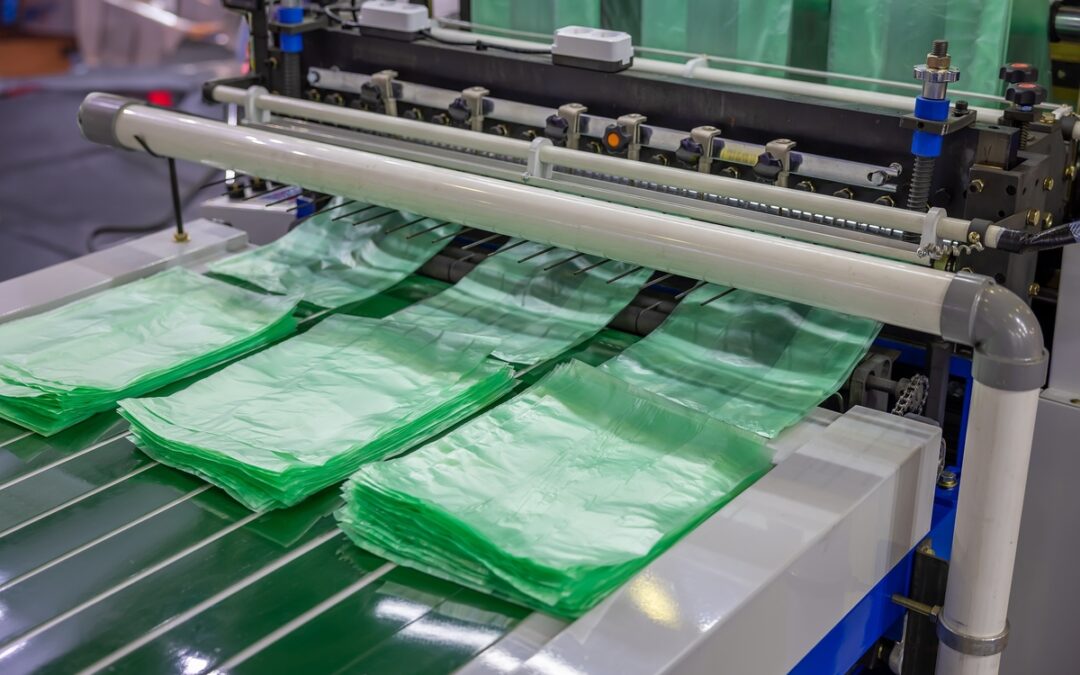
Step 3: Poly Film to Custom Plastic Bags

Once the film cools, it’s rolled onto a spindle for easy dispensing. The film can be easily unwrapped, cut, and sealed to form the main body of the bags. 

Handles are cut into the bags, and any other unique sealing options during this stage. 

poly bags on rolls

Step 4: Branding

The next step is to make the bags unique to your business and add custom branding

During this part of the production, the bags are printed with logos, text, or any other elements requested in your proof. 

Once branding is complete and the manufacturing process is over, the bags are ready to be sent to you.

Step 5: Shipping

The last step is to prepare the bags to ship using your preferred method. 

Shipping time often depends on the distance to the destination and the order size, but it generally takes 5-7 business days from standard businesses. 

At A-Pac Manufacturing, our shipping time is only 1-3 business days! 

What to Look For in a Custom Poly Bag Manufacturer:

When choosing a custom poly bag manufacturer, two key factors to consider are quality and flexibility in production times

A good manufacturer should deliver high-quality bags that meet your specific requirements while accommodating your schedule. 

Why A-Pac Manufacturing Stands Out: 

At A-Pac Manufacturing, we set ourselves apart by consistently delivering top-quality custom poly bags with quick production times. 

We work on tight deadlines, especially for businesses with time-sensitive needs. We offer rush orders when necessary, ensuring your bags are produced and delivered promptly, even with short notice.

We have a proven track record of consistently meeting due dates—our on-time delivery rate exceeds 99%

This commitment to reliability and customer satisfaction means you can count on us. When you choose A-Pac, you’re choosing a partner dedicated to meeting your production needs with speed and precision.

Get High-Quality Custom Poly Plastic Bags with A-Pac’s Fast Turnaround Times

If you need custom poly plastic bags quickly, give our team a call

Our experts can help you design an outstanding product, and they can provide you with a time estimate for your order’s production. When you choose A-Pac for your manufacturing needs, you can be confident that you’ll have the best bags for your business when you need them.  

Request a quote, and place your custom order today. 

How to Choose the Right Poly Bag to fit your needs cta
Paper vs. Plastic Bags?

Paper vs. Plastic Bags?

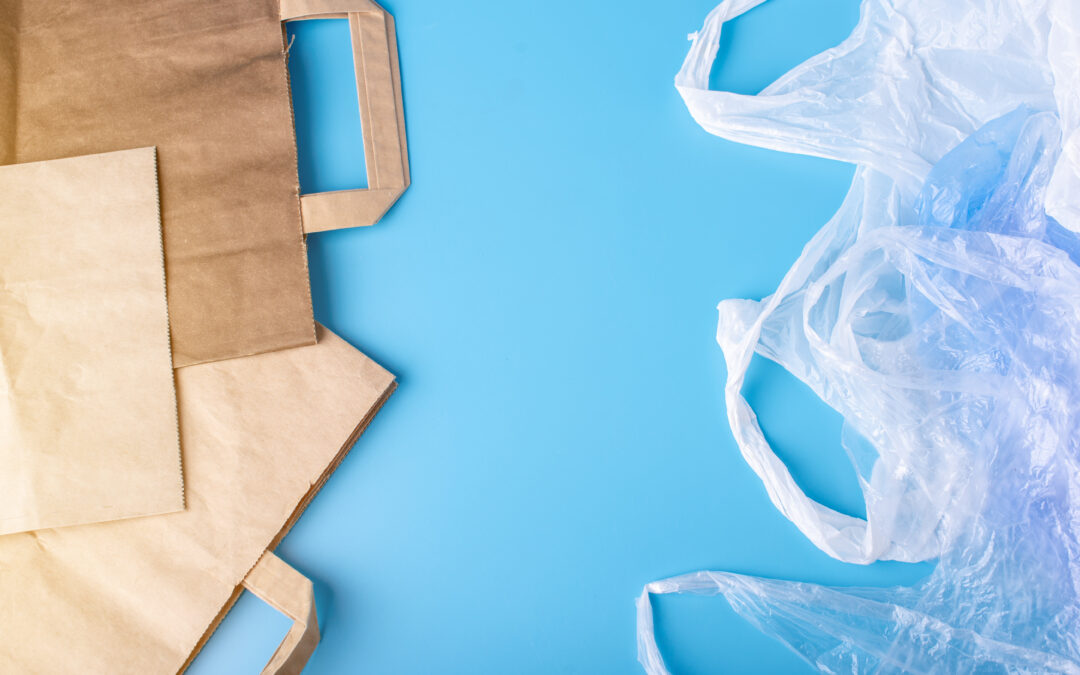
When deciding between paper and plastic bags for your business, there are important considerations you need to weigh out. As the world grows towards more sustainable and environmentally conscious efforts, your first instinct may be to choose paper bags. However, both options offer pros and cons that may affect your choice of paper vs. plastic bags. Let’s dive in! 

Let’s Compare: Paper vs. Plastic Bags

When comparing paper and plastic bags, you might automatically think that paper bags are a good choice. However, there are many downsides to paper options that you might not be familiar with. 

5 reasons to carefully consider before choosing paper bags:

  1. Limited Durability: Paper bags are not as durable as their plastic counterparts. They can tear or become compromised more easily, potentially resulting in customer inconvenience and product damage during transport.
  2. Resource Intensity: While paper is indeed a renewable resource, the production of paper bags typically involves a significant amount of water and energy. This resource intensity should be taken into account when assessing their environmental impact.
  3. Limited Customization: Customizing paper bags may be more challenging and expensive compared to plastic bags. If branding and customization are essential for your business, plastic bags might offer more flexibility in this regard.
  4. Consumer Preferences Vary: Consumer preferences can vary widely. While some may prefer paper bags for their eco-friendly image, others might find them less practical due to their limited durability.
  5. Regulatory Considerations: Depending on the state or region where you operate, there may be specific regulations related to the use of paper bags, potentially impacting your operational flexibility.

Why Choose Plastic Bags Over Paper Bags?

While consumers often perceive paper bags as a more environmentally friendly option, it’s important to recognize that plastic bags have several compelling advantages that make them the superior choice for your business.

When considering plastic bags for your business, here are some key points to keep in mind:

  1. Durability: Plastic bags are known for their durability, translating to reduced waste for your business. Their resilience ensures that they can withstand wear and tear, minimizing the likelihood of product damage during transport.
  2. Cost-Effectiveness: Plastic bags tend to be more cost-effective than paper bags. This cost efficiency can significantly benefit your business by helping you manage expenses more effectively.
  3. Reusability: In today’s eco-conscious era, people are increasingly embracing the reuse and recycling of materials. Plastic bags are reusable, allowing consumers to extend their lifespan and reduce single-use plastic waste. 
  4. Weight and Transportation Efficiency: Plastic bags are lighter than paper bags, leading to lower transportation costs and a reduced carbon footprint. 
  5. Space Efficiency: Plastic bags are efficient in terms of storage and transportation. They occupy less storage space, allowing you to optimize your storage area and reduce transportation-related emissions.
  6. Preserving Freshness: Plastic excels in preserving the freshness of items, particularly in food and medical applications. Its impermeable nature acts as a barrier against contaminants, moisture, and air, prolonging the shelf life and maintaining the quality of products. In fields where spoilage and sterility are critical concerns, plastic remains the superior choice for safeguarding goods and materials.

There are numerous sustainable poly bag options available if you decide to choose plastic bags for your business. If you are budget-conscious and your target audience is receptive to reusable options, plastic bags clearly offer a more environmentally friendly and cost-effective solution. Consider these advantages when making your decision.

5 Key Considerations When Deciding On Paper vs. Plastic Bags

Choosing the right materials for your business is paramount, but we’re here to help you make a decision. Here are some questions you should ask yourself when debating paper vs. plastic bags. 

  1. Does your customer have a preference? Consider your target audience and what they would like from your product. One of the most important things is to create loyal customers with your product. 
  2. What is your budget? A primary concern may be how much you want to invest in packaging. Typically, plastic bags are less costly. 
  3. What type of product are you selling? You may need a more resistant material when considering the durability of your product. Plastic bags are generally stronger, which may be appropriate for heavier items.  
  4. What are the regulations in your state? Certain state regulations may make the choice evident for your business. 
  5. What is your long-term strategy? Deciding your overall goal and branding for your product and business may help you choose paper vs. plastic bags. You can then customize your bags to what best fits your business.  

Why You Should Consider Using A-Pac Manufacturing’s Sustainable Plastic Bags

A-Pac Manufacturing specializes in sustainable plastic bags. There are many reasons why choosing this option may be best for your business. Using A-Pac Manufacturing for your plastic bag needs means choosing a company that is: 

  • Environmentally Responsible. At A-Pac Manufacturing, plastic bags are designed to minimize environmental harm by reducing the carbon footprint.  
  • Regulatory Compliant. You can ensure your business is compliant with all regulations regarding single-use plastics. 
  • Helps with Brand Image and Customization. You can still attract eco-conscious consumers with eco-friendly designs and branding.  
  • Ready to Help with Long-Term Savings. Since plastic bags are more durable, you can reduce the need for replacements. 

Partnering with A-Pac Manufacturing for sustainable plastic bags helps align your business with eco-friendly values and an appealing design for your customers and can help you save money in the long term. Ready to get started? Give us a call today or visit us online and request a quote

How To Make Custom Poly Bags Stand Out

How To Make Custom Poly Bags Stand Out

In today’s competitive market, making a lasting impression is essential, and one of the best ways to do that is with customized packaging. Packaging solutions do much more than carry your products; they can be powerful brand ambassadors.

In this blog, we’ll explain the best innovative strategies to transform your custom poly bags from mundane containers into eye-catching, memorable assets for your business. 

5 Ways To Take Your Custom Poly Bags to the Next Level

Get ready to explore the art of packaging and discover how it can elevate your brand. These creative approaches will help your custom poly bags stand out and leave a mark in the minds of your clientele. 

1. Curated Colors

When it comes to making your custom poly bags stand out, the use of color can be a game-changer. Colors have a unique ability to convey emotions, establish brand identity, and leave a lasting impression. Customizing your poly bags with your brand’s color palette creates a seamless and memorable brand experience for your customers. Consistency in color reinforces brand recognition, making it easier for your clientele to identify your products amidst a sea of options.

In addition to brand recognition, your chosen colors can communicate specific messages and evoke emotions. For instance, vibrant reds convey energy and excitement, while tranquil blues suggest reliability and trustworthiness. When thoughtfully incorporated into your poly bags, these color choices become a subtle yet powerful tool in shaping consumer perceptions.

At A-Pac Manufacturing, our digital color-matching and 8-color process system delivers eye-catching graphics for custom-printed poly bags. We can customize your bags with any shade of red, yellow, green, blue, white, black, and more.

2. Specific Size

Finding the perfect size bag for your products is crucial. For starters, custom sizes ensure a precise fit for your products, minimizing excess material and presenting your items in a neat, professionally packaged manner. This meticulous attention to detail enhances your brand’s image, conveys a commitment to quality, and instills confidence in your customers.

Custom sizing is not just about aesthetics; it’s a sustainable choice, too. By eliminating unnecessary material, you contribute to a more eco-conscious packaging approach, aligning your brand with the values of sustainability-minded consumers. This, coupled with the potential for reduced shipping costs due to optimized space efficiency, makes custom-sized poly bags a strategic choice for businesses looking to streamline logistics and minimize environmental impact. 

We know the importance of correctly sized bags for your products. Our custom poly bags come in various sizes and shapes to fit a wide range of needs. If you need help deciding how big your bags should be, look at our free guide, How to Choose the Right Size Poly Bag

3. Personalized Logos 

The power of custom logos on poly bags cannot be overstated. It’s not just a matter of placing your brand’s emblem on a bag; it’s a strategic choice that can profoundly impact your brand’s recognition and customer perception. When you invest in custom logos on poly bags, you’re embracing a powerful tool to reinforce your brand’s identity and make a memorable impression.

Logos convey your brand’s values, ethos, and personality. Placing your logo on a poly bag ensures every customer interaction is a brand interaction, reinforcing brand consistency and loyalty. Furthermore, it’s a subtle yet effective way to communicate attention to detail and professionalism. A well-designed logo can transform a simple poly bag into a sophisticated packaging solution, instantly elevating the perceived value of your products.

When you invest in customized poly bags from A-Pac Manufacturing, you can tailor the logo placement, size, and color to suit different bag styles and sizes, creating a cohesive yet customized packaging experience for your customers. Whether you opt for a bold, eye-catching design or a subtle, understated one, your logo becomes a silent ambassador for your brand, leaving a mark on your customers’ minds. 

4. Style & Functionality 

Poly bags are far from one-size-fits-all. The selection of different styles and types of custom poly bags is akin to selecting various canvases on which your brand’s identity can be artfully displayed. Each style offers a unique opportunity to convey your brand’s essence and enhance the customer experience.

For instance, if your brand promotes eco-consciousness, choosing recyclable or biodegradable poly bags aligns perfectly with your values. These bags communicate your commitment to sustainability, resonating with consumers who prioritize eco-friendly choices.

Clear poly bags provide a minimalist and transparent approach, allowing your products to take center stage. Customized with your logo or branding elements, they offer a clean, modern, and versatile canvas that suits many businesses. On the other hand, gusseted bottoms provide practical solutions while contributing to the overall aesthetics of your packaging. 

Our custom poly bags are available with an array of functionalities. We currently offer flat, wicketed, gusseted, sideweld, bottom-seal, staple-pack, and poly bags on rolls

5. Business Info

Personalization by adding your business information is more than just a practical necessity; it’s an invaluable opportunity to deepen your brand’s connection with customers. When you incorporate essential details like your website, contact information, address, and even a memorable slogan onto your custom poly bags, you’re weaving a compelling narrative that goes beyond mere packaging.

By prominently featuring your website, you’re creating a digital bridge between your customers and your brand. In an increasingly digital world, it invites curious shoppers to explore your online presence, discover more about your offerings, and become loyal patrons.

Your business information on poly bags serves as a constant reminder of your availability and accessibility. Whether it’s a phone number, email address, or physical location, customers appreciate knowing they can easily reach out to you if they have questions, concerns, or praise. 

A well-chosen slogan can be the finishing touch that ties your brand identity together. It encapsulates your mission, values, and personality in a few memorable words, leaving a lasting impression on customers. When emblazoned on your poly bags, it becomes a part of the overall packaging experience, reinforcing your brand’s message.

Here at A-Pac Manufacturing, we know that personalizing poly bags with your business information is a strategic choice that enhances brand recognition, fosters customer trust, and reinforces your brand’s message. Let us transform your packaging into a dynamic tool that contains your products, conveys your brand’s identity, and invites further engagement with your audience.

Are You Ready To Invest in High-Quality, Custom Poly Bags?

When picking your packaging for your product, choosing the right partner can make all the difference. At A-Pac Manufacturing, our commitment to excellence, attention to detail, and passion for personalized solutions for small businesses set us apart from any other competitor. 

When you work with us, you’re not just getting poly bags; you’re gaining a partner invested in your success, helping your business shine through exceptional packaging. Choose A-Pac Manufacturing and discover the difference in custom poly bags.