What Are Wicketed Poly Bags? Applications, Benefits, and Packaging Uses

What Are Wicketed Poly Bags? Applications, Benefits, and Packaging Uses

If your packaging line depends on speed, efficiency, and product protection, wicketed poly bags are one of the most effective packaging solutions available. Designed for automated and semi-automated packaging systems, these bags help manufacturers improve throughput, reduce labor costs, and maintain consistent packaging quality.

From food packaging and produce bags to industrial parts and hardware packaging, wicketed poly bags are widely used across industries because they simplify packaging operations while protecting products during storage and shipping.

In this guide, we’ll explain what wicketed bags are, how they work, common wicketed poly bag applications, and how to choose the right specifications for your packaging needs.

What are Wicketed Poly Bags?

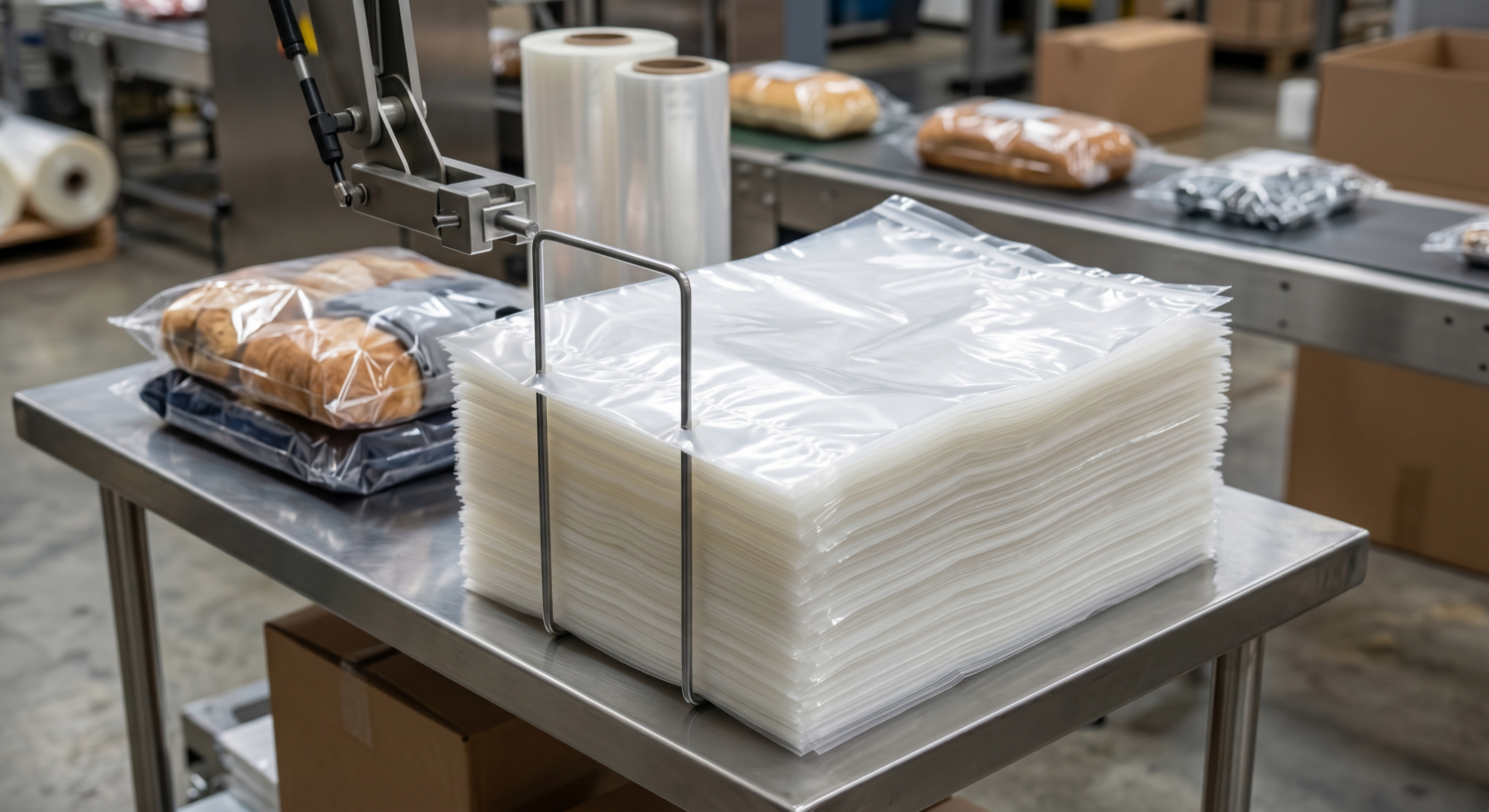
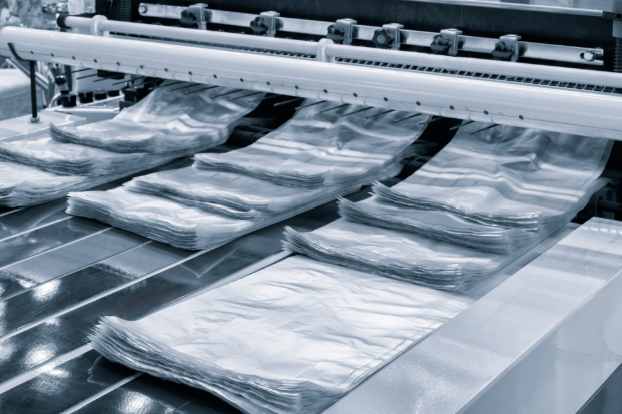
Wicketed poly bags are plastic bags stacked together on a thin metal wire called a wicket. This design allows the bags to remain organized and easily dispensed during high-speed packaging operations.

Because the bags are mounted on a wicket wire, automated packaging equipment can quickly open each bag for fast product loading. This reduces handling time and helps packaging lines operate more efficiently.

What Are Wicketed Bags Used For?

Wicketed bags packaging is commonly used for:

  • Bread and bakery packaging
  • Fresh produce packaging
  • Frozen foods
  • Industrial hardware and parts
  • Medical and pharmaceutical packaging
  • Pan and tray covers
  • Retail packaging applications

Their versatility, durability, and compatibility with automation make wicketed poly bags ideal for businesses looking to improve packaging productivity.

Benefits of Wicketed Poly Bags

Many manufacturers choose wicketed poly bags because they offer significant operational and packaging advantages.

Faster Packaging Speeds

Wicketed bags are specifically designed for automated packaging systems. The organized stack format allows equipment operators to quickly load products with minimal downtime.

Reduced Labor Costs

Because wicketed bags streamline packaging operations, businesses can reduce manual handling and improve labor efficiency across production lines.

Product Protection

High-quality poly materials protect products from:

  • Moisture
  • Dust and contaminants
  • Punctures and abrasions
  • Shipping damage

Excellent Product Visibility

High-clarity wicketed poly bags allow customers and warehouse staff to easily identify packaged products without opening the bag.

Customizable for Your Application

Wicketed poly bags can be customized with:

  • Custom sizes
  • Printed branding and logos
  • Vent holes
  • Hang holes
  • Lip and tape closures
  • Specialty materials and gauges

Wicketed Poly Bag Materials

Different applications require different film characteristics. Wicketed poly bags can be manufactured using several materials depending on durability, clarity, flexibility, and barrier requirements.

LDPE (Low-Density Polyethylene)

LDPE offers excellent flexibility and clarity, making it ideal for food packaging and general-purpose applications.

HDPE (High-Density Polyethylene)

HDPE provides greater stiffness and strength while remaining lightweight and cost-effective.

LLDPE (Linear Low-Density Polyethylene)

LLDPE offers improved puncture resistance and durability for heavier or irregular products.

Metallocene Poly

Metallocene-enhanced films provide superior strength, sealability, and toughness while maintaining excellent clarity.

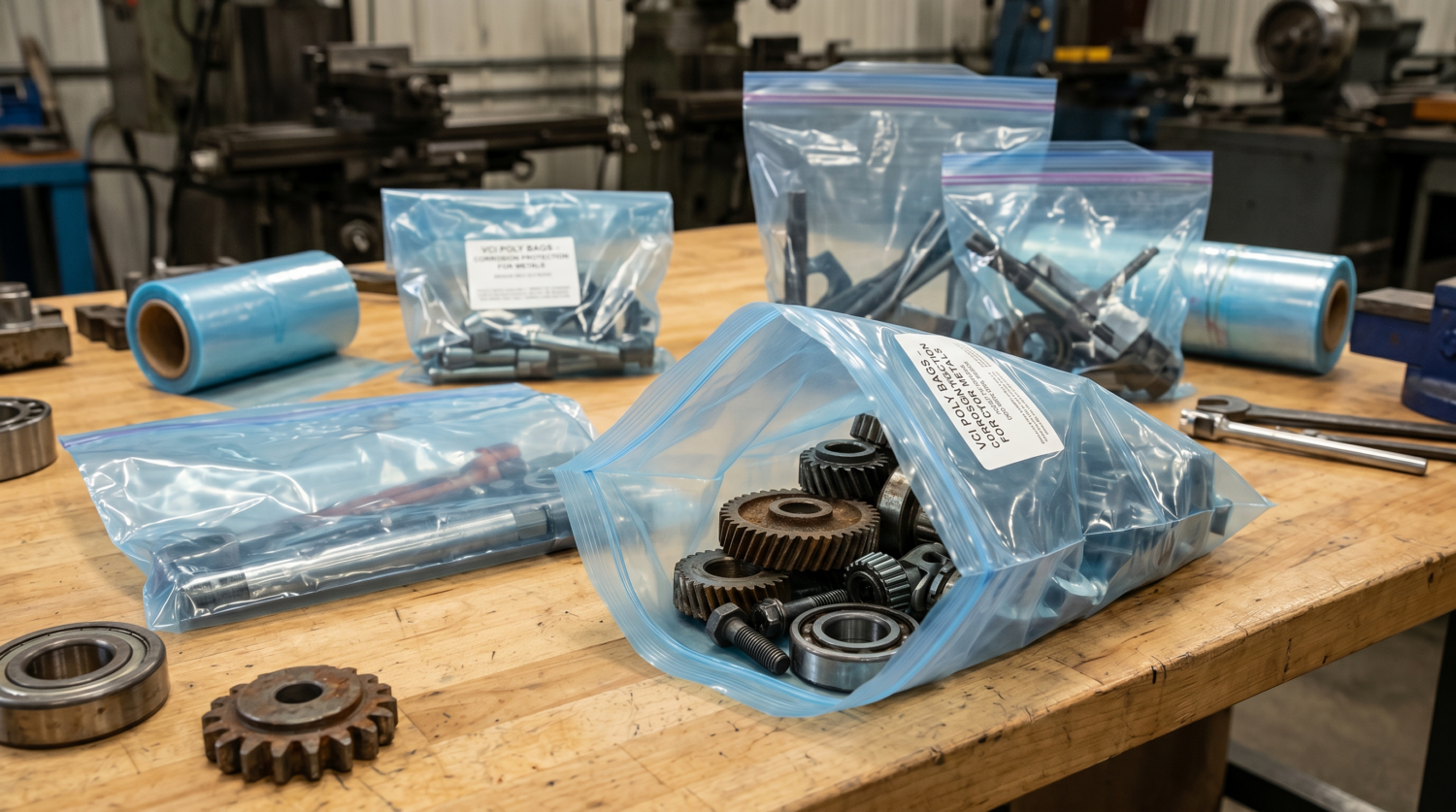
VCI (Vapor Corrosion Inhibitor)

VCI materials help protect metal components from corrosion during shipping and storage.

EVA (Ethylene-Vinyl Acetate)

EVA films provide enhanced flexibility and impact resistance, especially in colder environments.

Common Wicketed Poly Bag Applications

Wicketed poly bags are used across many industries because they combine speed, convenience, and product protection.

Wicketed Poly Bags for Food Packaging

Food manufacturers rely on wicketed poly bags to maintain product freshness while supporting high-speed production lines.

These bags help protect food products from:

  • Moisture
  • Debris
  • Contamination
  • Pests

Food-grade wicketed bags packaging is commonly used for baked goods, frozen foods, produce, snacks, and prepared foods.

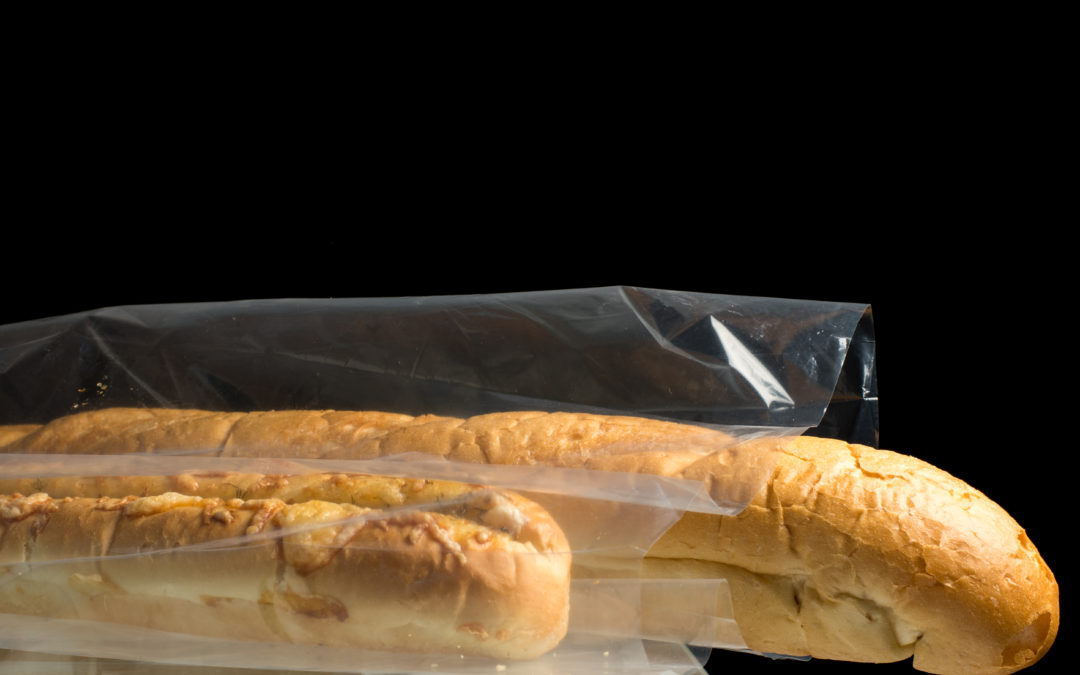
Wicketed Poly Bags for Bread Packaging

Bread bags are one of the most common wicketed poly bag applications.

Because bakery operations often run at high speeds, wicketed bread bags help improve efficiency by allowing quick product insertion and sealing. The bags also help preserve freshness and protect baked goods during shipping and display.

Wicketed Poly Bags for Produce

Produce packaging requires durability, visibility, and ventilation.

Wicketed poly bags are frequently used for:

  • Fresh vegetables
  • Fruits
  • Salad mixes
  • Bulk produce items

Optional vent holes can improve airflow while the high-clarity film showcases product quality to consumers.

Wicketed Poly Bags for Pan and Tray Covers

Commercial kitchens, bakeries, and food processors often use wicketed bags as pan covers.

Instead of covering entire racks, individual trays and pans can be quickly wrapped to:

  • Preserve freshness
  • Prevent contamination
  • Simplify storage
  • Improve workflow efficiency

Because the bags are stacked on wickets, employees can quickly access and apply them during busy production shifts.

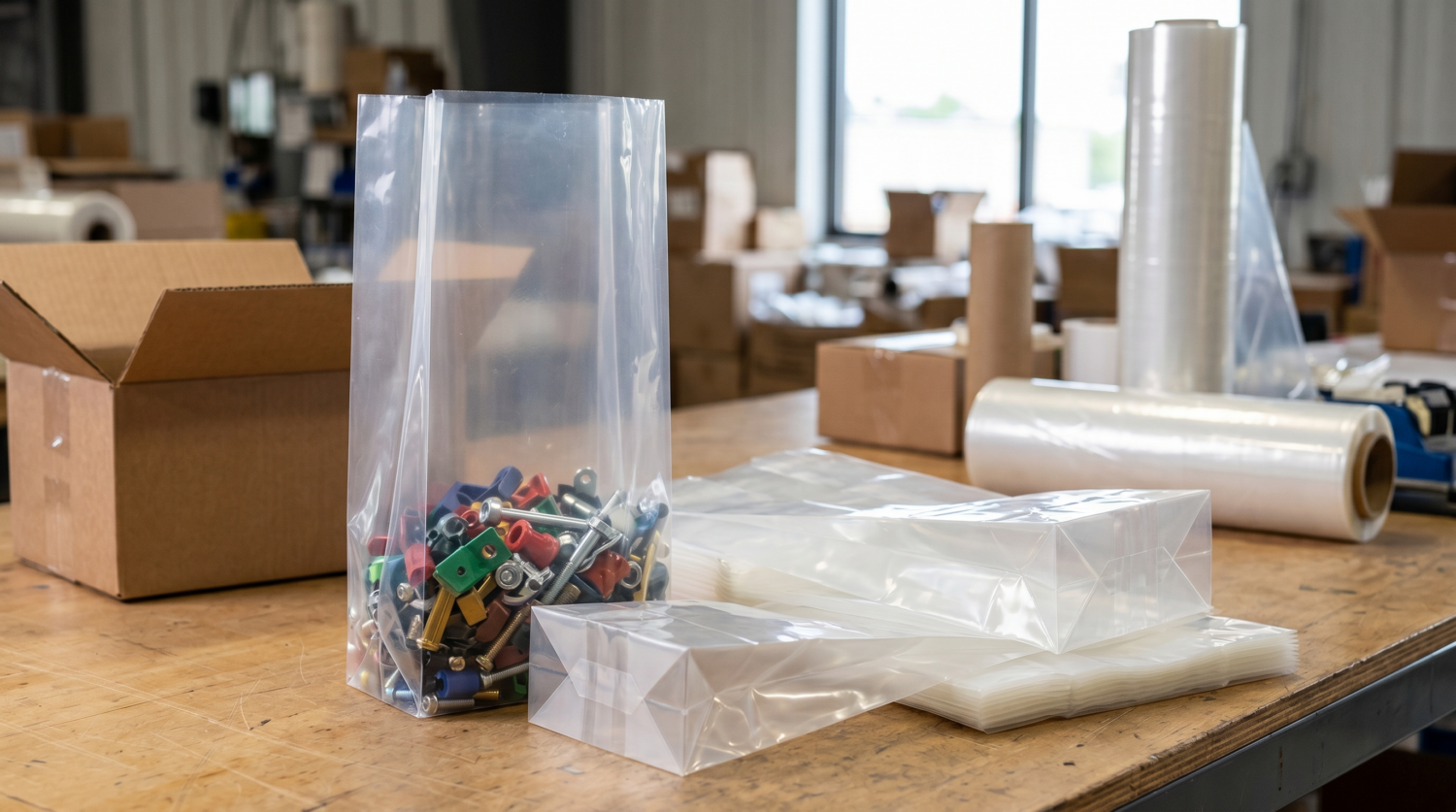
Wicketed Poly Bags for Parts, Components, and Hardware

Industrial manufacturers use wicketed poly bags to package:

  • Fasteners
  • Automotive parts
  • Small hardware
  • Electronic components
  • Replacement parts

Durable poly materials protect products from abrasion, dirt, and moisture while simplifying counting, organizing, and shipping operations.

VCI wicketed poly bags are especially useful for protecting metal parts from corrosion during transport and storage.

Wicketed Bags and Automated Packaging Systems

One of the biggest advantages of wicketed poly bags is their compatibility with automated packaging equipment.

Automated systems can rapidly open, fill, and seal wicketed bags with minimal operator intervention. This helps manufacturers:

  • Increase packaging throughput
  • Improve consistency
  • Reduce packaging waste
  • Lower labor costs
  • Minimize downtime

For facilities running high-volume packaging operations, wicketed bags can significantly improve overall production efficiency.

How to Choose the Right Wicketed Poly Bags

Choosing the right wicketed poly bag depends on your product, packaging environment, and production requirements.

Important considerations include:

Bag Size and Dimensions

Your bag must properly fit the product while allowing efficient loading and sealing.

Film Thickness (Gauge)

Heavier products typically require thicker films for puncture resistance and durability.

Material Type

Different poly materials provide different benefits for flexibility, clarity, strength, and barrier protection.

Venting and Perforations

Produce and bakery products may require airflow to maintain freshness.

FDA or Food-Grade Requirements

Food applications should use compliant food-grade materials.

Printing and Branding

Custom printed wicketed bags can improve shelf appeal and reinforce brand recognition.

Custom Wicketed Poly Bags from A-Pac Manufacturing

At A-Pac Manufacturing, we provide high-quality custom wicketed poly bags designed to meet the demands of modern packaging operations.

We offer:

  • Custom sizes and specifications
  • Food-grade packaging options
  • Industrial and specialty films
  • Fast turnaround times
  • No minimum order requirements
  • Expert packaging guidance

Whether you need wicketed bags for bakery packaging, produce, industrial parts, or automated packaging systems, our team can help you find the right solution for your application.

Explore Custom Wicketed Poly Bag Solutions

Looking for reliable, cost-effective wicketed poly bags for your packaging operation? Contact A-Pac Manufacturing today to discuss your packaging requirements and request a custom quote.

Poly Bag Thickness Guide: What Is a Mil and How to Choose the Right Gauge

Poly Bag Thickness Guide: What Is a Mil and How to Choose the Right Gauge

Poly bags come in many different shapes, sizes, and strengths.

But when choosing the right bag, thickness matters

If the bag is too thin, it may tear or fail during storage or shipping. If it’s thicker than necessary, you may be paying for more material than you need.

Understanding poly bag thickness, including how it’s measured and what thickness works best for your application, helps ensure your packaging performs as expected.

In this guide, we’ll cover:

  • What a mil is
  • How poly bag thickness is measured
  • Common poly bag thickness ranges and their uses
  • The difference between mil vs. gauge
  • How to determine what thickness of poly bag you need

Let’s dive in! 

What Is a Mil? (And How It Compares to Gauge)

A mil is the standard unit for measuring the thickness of plastic films, such as polyethylene bags.

1 mil = 0.001 inches (one thousandth of an inch).

In some industries, thickness may also be measured in gauge, where:

100 gauge = 1 mil

For example:

  • 200 gauge = 2 mil
  • 300 gauge = 3 mil

While both are used, mils are the most common and widely understood measurement in poly bag manufacturing.

Nominal Thickness vs. Full Gauge

When manufacturing polyethylene film, the thickness is often produced to nominal gauge unless otherwise specified.

Nominal thickness means the material may be up to 10% thinner than the stated mil measurement.

Example:

Specified Thickness Nominal Thickness
1 mil ~0.9 mil
2 mil ~1.8 mil
3 mil ~2.7 mil

Because of this standard tolerance, it’s important to specify full gauge if your application requires exact thickness.

Manufacturers like A-Pac Manufacturing can produce custom poly bags to either nominal or full gauge specifications, depending on performance requirements.

Common Poly Bag Thicknesses and Their Uses

Different mil thicknesses are designed for different levels of protection and durability.

Poly Bag Thickness (Mil) Thickness (Inches) Typical Applications
0.5 – 0.75 mil 0.0005–0.00075″ Short-term use such as produce bags, dry cleaning bags, or lightweight coverings
1–2 mil 0.001–0.002″ Light to moderate protection for retail items, clothing, food packaging, and general storage
3 mil 0.003″ Medium-duty protection for small parts, hardware, or industrial components
4 mil 0.004″ Heavy-duty packaging for parts, tools, and industrial materials
5–6 mil 0.005–0.006″ Extra-heavy duty bags for bulk products, sharp objects, and demanding industrial applications

As thickness increases, poly bags become more resistant to wear and tear, incluidng:

  • Punctures
  • Rips
  • Abrasion
  • Heavy loads

What Thickness Poly Bag Do I Need?

Choosing the right poly bag thickness depends on your product, environment, and handling conditions.

Consider these three factors when selecting a mil thickness.

1. Product Weight

Heavier items require thicker bags to prevent stretching or tearing.

Examples:

  • Small retail items → 1–2 mil
  • Hardware or metal parts → 3–4 mil
  • Bulk industrial components → 4–6 mil

2. Protection Requirements

If your product has sharp edges, rough surfaces, or fragile finishes, a thicker bag helps prevent:

  • Punctures
  • Scratches
  • Material failure during transport

For delicate or valuable products, additional durability is often worth the investment.

3. Handling and Storage Conditions

Consider how the bag will be used.

Questions to ask:

  • Will it be single-use or reusable?
  • Will it be subject to heavy handling during shipping?
  • Will it be stored for long periods?

For example:

  • Temporary packaging: <1 mil may be sufficient
  • Reusable packaging: typically 2 mil or greater
  • Industrial shipping or storage: 3–6 mil

4. Material Composition & Resin Quality

Thickness alone doesn’t determine a poly bag’s strength. The type and quality of the polyethylene resin used also play a major role in performance.

High-quality resin blends can improve:

  • Tensile strength
  • Puncture resistance
  • Tear resistance

This means a well-engineered bag made with premium or blended resins may deliver the same—or better—performance at a lower thickness.

In many cases, this creates an opportunity to downgauge, reducing material usage and cost without sacrificing durability.

Working with an experienced manufacturer ensures the right balance of resin formulation and thickness for your application.

Why Poly Bag Thickness Matters

Choosing the correct poly bag thickness can improve packaging performance while reducing unnecessary material costs.

The right thickness helps ensure:

  • Reliable product protection
  • Reduced punctures or leaks
  • Lower packaging failure rates
  • Optimized material usage
  • Better overall shipping performance

In many applications, selecting the proper mil thickness can prevent product loss, improve operational efficiency, and protect brand reputation.

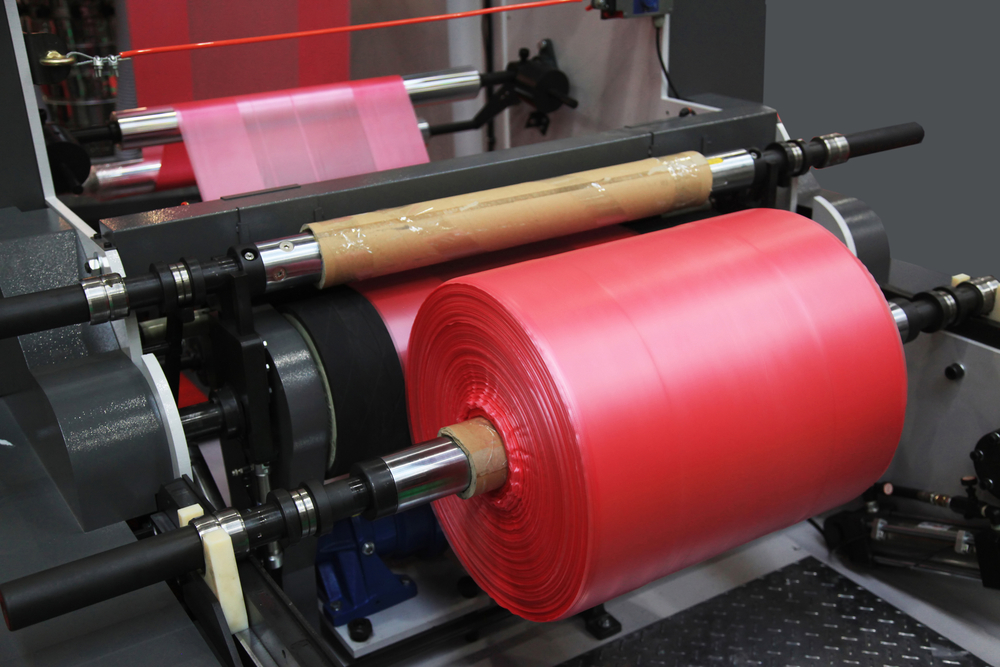
roll of polyethylene in production

FAQs About Poly Bag Thickness

What is a mil in plastic bags?

A mil is a unit of thickness equal to one thousandth of an inch (0.001″) used to measure plastic film such as polyethylene bags.

Is a higher mil thicker plastic?

Yes, higher mil= thicker plastic. Higher mil numbers indicate thicker plastic, which generally provides greater strength, puncture resistance, and durability.

What mil thickness is a standard plastic bag?

Many standard poly bags used for retail packaging are 1–2 mil thick, while industrial bags are typically 3–6 mil.

Is 2 mil plastic thick enough?

A 2 mil poly bag is thick enough and works well for many applications, including retail items, clothing, and light storage. However, heavier or sharper products may require a thickness of 3–6 mils.

Find the Right Poly Bag Thickness for Your Application

If you’re unsure which poly bag thickness is best for your application, it helps to look at the bigger picture — including bag strength, material type, and sizing considerations.

To help simplify the process, we’ve created a helpful resource:

Download our free guide: How to Choose the Right Poly Bag.

This guide walks you through the key factors to consider when selecting packaging for your products.

What’s Included in the Guide:

  • How poly bag thickness impacts strength and durability
  • The different types of poly bags available for various applications
  • How to determine the correct bag size for your product
  • Practical guidance to help you choose the best bag for shipping, storage, or protection

Download the guide to make a more informed packaging decision and ensure your products are protected with the right solution.

How to Choose the Right Poly Bag to fit your needs cta
Poly Bag vs. Plastic Bag: Choosing the Right Option for Your Business

Poly Bag vs. Plastic Bag: Choosing the Right Option for Your Business

When it comes to packaging, the terms “poly bag” and “plastic bag” are often used interchangeably. But in the packaging world, those two labels don’t always mean the same thing. Understanding the difference can make a big impact on your operations.

For businesses that rely on packaging to protect, store, and ship their products efficiently, choosing the wrong choice can lead to damaged goods, poor presentation, or wasted material. The right one, on the other hand, can streamline your process and strengthen your brand.

At A-Pac Manufacturing, we often hear from customers who ask the same question: “What is the difference between plastic bags and poly bags?”

In this post, we’ll clear up that confusion once and for all. We’ll explain how poly bags differ from standard plastic bags, explore their unique characteristics and advantages, and help you determine which option best suits your business needs.

What Is the Difference Between Plastic Bags and Poly Bags?

At first glance, plastic bags and poly bags might look the same: clear, flexible, and lightweight. But when we dig a little deeper, the differences in materials and performance become clear.

Plastic bag is a broad term that covers any bag made from synthetic polymers — materials created through chemical processes that produce durable, moldable plastics.

  • This includes everything from grocery sacks and trash liners to retail shopping bags and even some industrial packaging.
  • These bags can be made from various plastics, including polypropylene (PP), polyvinyl chloride (PVC), and polyethylene (PE).

Poly bags, on the other hand, are a more specific type of plastic bag. They’re made exclusively from polyethylene (PE) — one of the most common and versatile plastics used in packaging. Within this category, there are two main types:

  • Low-Density Polyethylene (LDPE): Offers flexibility, clarity, and softness, making it ideal for packaging products that require easy visibility and handling.
  • High-Density Polyethylene (HDPE): Provides greater strength, rigidity, and puncture resistance, great for heavier or more durable packaging needs.

In short, all poly bags are plastic bags, but not all plastic bags are poly bags.

So why does this distinction matter?

For businesses in manufacturing, retail, and e-commerce, knowing what your packaging is made of directly affects your bottom line. Poly bags offer a better balance of clarity, strength, and cost efficiency for bulk packaging, shipping, and custom branding, making them the go-to choice for numerous business applications.

Key Characteristics of Poly Bags

Poly bags are the workhorse of modern packaging. They’re simple, versatile, and effective. Their strength lies not only in their material but also in their ability to adapt to different business needs.

Here’s what sets them apart:

Material:

Poly bags are made from polyethylene (PE) — a plastic resin known for its balance of durability, flexibility, and clarity. This makes them suitable for a wide range of applications, from lightweight retail packaging to heavy-duty industrial use.

Common Forms:

Depending on your product and process, poly bags come in several styles, including:

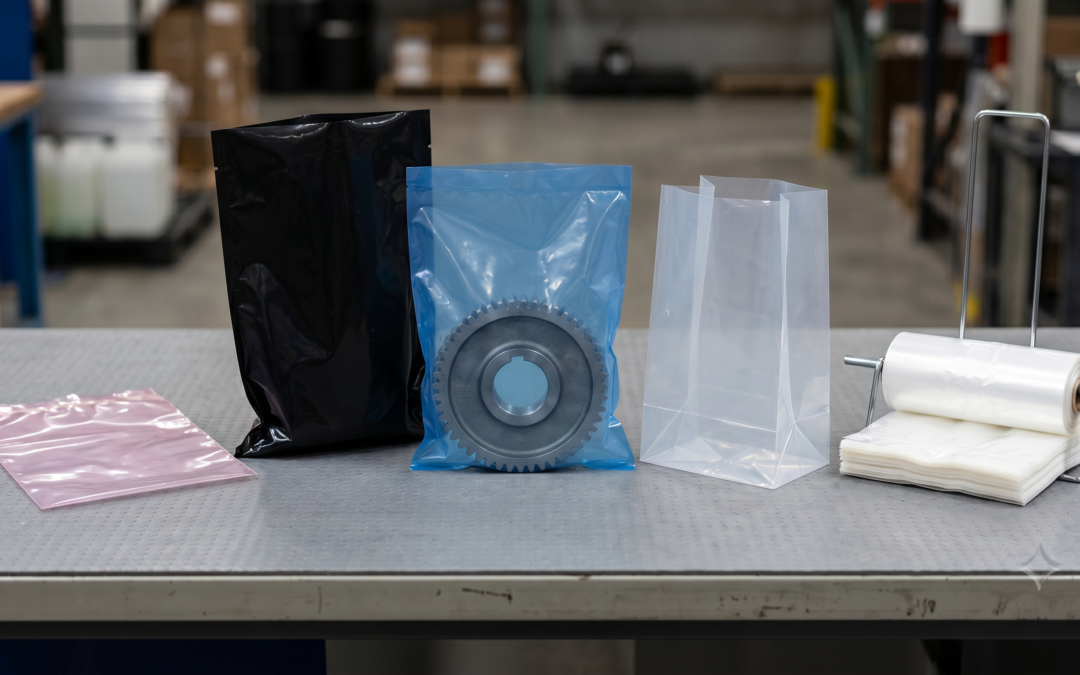
  • Flat poly bags – Simple open-top bags ideal for manual or automated packing.
  • Resealable (zip-top) bags – Perfect for items that need to be opened and closed multiple times.
  • Gusseted bags – Expandable sides or bottoms for bulkier items.
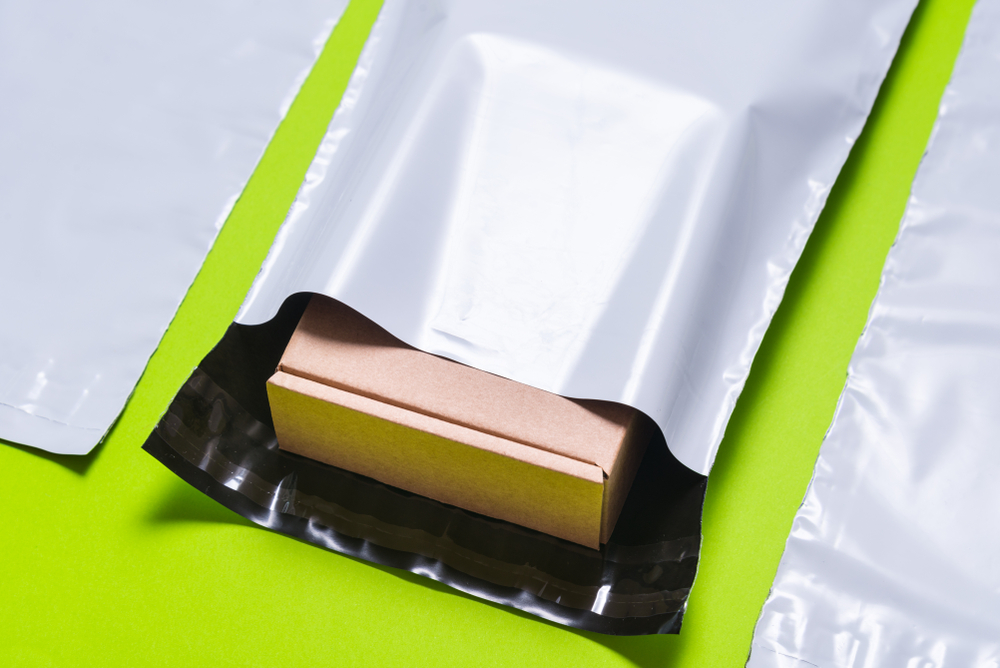
  • Poly mailers – Durable envelopes designed for e-commerce shipping.

Advantages of Poly Bags:

  • Lightweight yet strong: Keeps shipping costs low without sacrificing protection.
  • Moisture- and dust-resistant: Ideal for protecting products in storage or transit.
  • Cost-effective: Efficient to produce and available in bulk quantities.
  • Customizable: Can be tailored to your specific size, thickness, color, or printed with your branding.

For businesses that prioritize product protection, consistency, and presentation, poly bags deliver on all fronts. Whether you’re packaging components, apparel, or food products, polyethylene provides a clean, professional look and dependable performance.

Characteristics of Regular Plastic Bags

While poly bags are a specific and highly reliable type of plastic packaging, the broader category of plastic bags includes a variety of materials, each with its own strengths and limitations. Understanding these differences can help you choose the best fit for your product and business priorities.

Broader Material Base:

Plastic bags can be made from many synthetic polymers, including:

  • Polypropylene (PP): Known for exceptional clarity and stiffness. Often used for retail packaging where presentation matters — like baked goods, cards, or textiles.
  • Polyvinyl Chloride (PVC): Offers rigidity and durability but is less common today due to environmental concerns.
  • Compostable or biodegradable plastics: Made from plant-based materials (such as polylactic acid), they are becoming increasingly popular among eco-focused brands. However, they may come at a higher cost and require specific disposal conditions.

Common Examples:

  • Grocery and shopping bags
  • Trash liners
  • Merchandise bags
  • Some types of shrink or stretch film

Pros and Cons:

  • Pros:
    • PP bags can offer superior transparency for retail display.
    • PVC and other rigid plastics provide strength and form for specialty packaging.
    • Compostable plastics support sustainability initiatives.
  • Cons:
    • Not all are suitable for long-term storage or heavy products.
    • Some materials are less flexible or more expensive to produce.
    • Recyclability varies — not all plastics can be processed through standard recycling streams.

In short, while regular plastic bags may have their place, poly bags often strike the best balance between durability, flexibility, cost, and environmental responsibility, especially for businesses managing large-scale packaging and shipping operations.

Poly Bag vs. Plastic Bag: Which Is Right for Your Business?

Choosing between poly bags and other types of plastic bags ultimately comes down to your product, environment, and goals. While both serve a purpose, understanding their performance in real-world conditions helps ensure you’re getting the best value and functionality.

Here’s a quick comparison to guide your decision:

Factor Poly Bags (Polyethylene) Other Plastic Bags (PP, PVC, etc.)
Material Made from polyethylene (LDPE or HDPE) Can include polypropylene, PVC, compostable plastics, etc.
Flexibility & Strength High flexibility with excellent puncture and tear resistance Varies by material; some are rigid or brittle
Clarity Good clarity (especially LDPE) PP often provides higher transparency
Moisture Resistance Excellent — ideal for storage and shipping Varies; some are less moisture-resistant
Customization Easily printed, sized, and sealed Customization is possible, but may be limited by the material
Sustainability Recyclable in most PE recycling streams Varies — some recyclable, others not
Cost Efficiency Cost-effective for bulk packaging May cost more depending on resin and processing
Best For Industrial, e-commerce, and retail packaging Retail display, specialized or short-term use

When evaluating your packaging, consider:

  • Product Type: How heavy, fragile, or sensitive is your product?
  • Storage Environment: Will it be exposed to moisture, temperature fluctuations, or prolonged storage?
  • Sustainability Goals: Do you prioritize recyclable or biodegradable materials?
  • Branding Needs: Do you need custom printing or branded packaging?

For most manufacturers, distributors, and online retailers, poly bags are the clear winner—offering the ideal mix of strength, cost efficiency, and versatility.

At A-Pac Manufacturing, we specialize in helping businesses identify the perfect packaging solution, whether that’s a custom-sized flat bag, branded poly mailer, or specialty gusseted option.

The Clear Choice: Why Poly Bags Are Better for Business

While all poly bags are technically plastic bags, not all plastic bags offer the same durability, flexibility, or reliability that polyethylene provides.

For most businesses (especially those in manufacturing, retail, or e-commerce), poly bags deliver the best balance of strength, cost-efficiency, and presentation. They’re built to protect your products, streamline your shipping, and reflect the quality of your brand.

At A-Pac Manufacturing, we’ve spent decades helping businesses design and source custom poly bag solutions that meet their exact needs. Whether you’re packaging food products, small parts, or bulk materials, we can help you select the right size, thickness, and style custom bag that supports your brand and bottom line.

Ready to find the best packaging for your business?

Contact A-Pac Manufacturing today for expert guidance or to request a quote on custom poly bag solutions.

Staying Ahead of Packaging Regulations with Compliant Polybags

Staying Ahead of Packaging Regulations with Compliant Polybags

Manufacturers today must navigate a complex and constantly evolving landscape of packaging regulations. As requirements shift, so does the risk of non-compliance, which can lead to fines, product recalls, supply chain disruptions, and long-term reputational damage. That’s why staying ahead of packaging regulations isn’t just smart—it’s essential.

In this blog, we’ll explore four key areas of regulatory compliance—FDA, USDA, USPS, and state-level environmental standards. We’ll show how A-Pac’s custom poly bags and certified quality systems help manufacturers stay compliant and confident.

Why Packaging Regulations Are Evolving

Packaging regulations aren’t static—they’re evolving in response to growing demands for safety, transparency, and environmental responsibility. Several key trends are driving this evolution:

  • Sustainability mandates are increasing nationwide, with many states introducing plastic bans, recyclability requirements, and extended producer responsibility (EPR) laws. 
  • Food safety standards from agencies like the FDA and USDA continue to tighten, aiming to reduce contamination and ensure safe handling across the supply chain. 
  • Consumer protection regulations demand greater visibility into the materials used in packaging, from labeling clarity to chemical safety. 
  • State-level legislation adds another layer of complexity, with varying requirements for material composition, labeling, and disposal methods.

For manufacturers, the risks of falling behind are real. Non-compliance can lead to costly fines, product recalls, supply chain delays, and long-term damage to customer trust. 

4 Key Areas of Regulatory Compliance

Regulatory compliance spans multiple agencies and jurisdictions. Here are four core areas every manufacturer should monitor, and how A-Pac helps ensure your packaging meets the mark.

1. FDA Packaging Regulations

FDA packaging compliance is critical for food, medical, and pharmaceutical manufacturers. The FDA sets strict guidelines to ensure materials in contact with consumables are safe, sanitary, and non-toxic.

  • A-Pac is FSSC 22000 certified by Intertek, which means our food-safe poly bags are manufactured under a globally recognized food safety management system. 

2. USDA & Food Safety Compliance

USDA oversight further reinforces the need for clean, contaminant-free packaging in food-related applications. Poly bags must meet food-grade standards to prevent contamination during handling and storage, whether your products are fresh, frozen, or processed.

  • A-Pac’s FSSC 22000 certification and audited processes ensure every bag aligns with USDA expectations. Our systems are designed to reduce risk, improve traceability, and support safe, compliant operations across the food supply chain.

3. USPS Packaging Regulations

If you ship your products through USPS, your packaging must meet certain size, durability, and safety requirements. Non-compliant materials can lead to delivery delays, rejections, or added costs.

  • A-Pac offers custom poly bags engineered to meet USPS packaging guidelines. Whether you need specific dimensions, strength, or sealing options, our team helps you create mailing-ready solutions that keep your logistics moving smoothly.

4. State-Level Environmental Regulations

Across the U.S., state governments are introducing a growing patchwork of packaging laws. Staying compliant requires constant vigilance, from plastic restrictions and recycled content mandates to labeling and disposal regulations.

  • A-Pac actively tracks regulatory changes at the state level and offers solutions to help clients stay ahead. Our team can advise on poly bag materials, labeling requirements, and design considerations that align with current and emerging environmental standards.

How A-Pac Helps Manufacturers Stay Ahead With Compliant Packaging 

Having the right packaging partner can make all the difference when it comes to regulatory compliance. At A-Pac Manufacturing, we combine deep industry knowledge with certified quality systems to help our clients reduce risk and operate with confidence.

Certified Quality Management Systems

A-Pac’s ISO 9001:2015 certification demonstrates our commitment to continuous improvement, consistent quality, and customer-focused processes. This globally recognized standard helps us maintain strict process control, reliable traceability, and high production standards across every order.

Built for Food Safety

We’re also FSSC 22000 certified, which means we follow a comprehensive food safety management system designed to meet the requirements of regulators, food manufacturers, and consumers alike. This certification gives clients peace of mind that their packaging is safe, clean, and fully compliant with food industry regulations.

Compliance-Driven Custom Solutions

Every poly bag we produce is designed with compliance in mind. Whether you’re navigating food safety laws, shipping standards, or environmental regulations, our team works with you to build packaging that meets your exact needs and regulatory obligations.

Custom Poly Bags, Built to Spec

We don’t take a one-size-fits-all approach. At A-Pac, we specialize in custom poly bags tailored to your specifications, including size, thickness, material, color, and closure type. From small-run specialty bags to high-volume orders, every product is built to perform and built to meet the standards that matter to your business.

Certified. Customized. Compliant. A-Pac Manufacturing

A-Pac’s globally recognized certifications, custom poly bag solutions, and proactive approach to compliance make us a trusted choice for manufacturers across industries. Whether you’re navigating FDA, USDA, USPS, or environmental regulations, we’re here to help you stay compliant with confidence.

Contact us today to request a copy of our certifications or discuss how we can support your packaging compliance needs.

A-Pac’s Eco-Friendly Plastic Bags

A-Pac’s Eco-Friendly Plastic Bags

Here’s the Inside Scoop on A-Pac’s Eco-Friendly Plastic Bags

Plastic bags have long been a staple for consumers and businesses alike, offering convenience for shopping and packaging. However, the environmental impact of traditional plastic bags has raised significant concerns, leading to a growing demand for alternatives that are kinder to our planet. That’s where we come in! 

At A-Pac Manufacturing, we’re making huge strides and producing high-quality recycled poly bags. These aren’t your ordinary plastic bags — they’re made up of up to 20% plant-based materials, making them a greener, more sustainable option for businesses looking to minimize their ecological footprint without sacrificing quality and functionality. 

Want to learn more about our eco-friendly plastic bags? Just keep reading! 

Understanding the Need for Eco-Friendly Plastic Bags

The demand for sustainable packaging solutions is more pronounced than ever across various industries—from food and beverage to retail and beyond. As consumers become more environmentally conscious, their preferences significantly influence which companies they support. 

There is a growing awareness of the environmental impact of waste, particularly non-recyclable materials that contribute to landfill growth and pollution. Packaging solutions that reduce reliance on finite resources, like fossil fuels, and increase the use of renewable materials are increasingly seen as not just preferable, but essential.

Moreover, regulatory pressures are also steering companies towards greener alternatives. Many regions around the world are implementing stricter regulations on waste management and recycling, compelling businesses to adopt sustainable practices.

Introducing: A-Pac’s More Sustainable Poly Bags

In a significant stride towards more sustainable packaging solutions, A-Pac Manufacturing is proud of its line of more sustainable poly bags. These poly bags are designed with the future in mind, incorporating up to 20% plant-based materials. This innovative approach reduces the dependency on traditional petroleum-based plastics while enhancing the products’ environmental credentials.

Discover the Role of NuPlastiQ® Technology

NuPlastiQ® is a groundbreaking bio-based polymer that is reshaping the landscape of sustainable packaging. It’s derived from natural, renewable resources and can be combined with conventional plastic materials such as polyethylene or polypropylene. This combination not only maintains the durability and flexibility of conventional plastics but also imbues them with enhanced environmental attributes.

One of the standout features of NuPlastiQ® technology is its ability to accelerate the biodegradation process. When products made with NuPlastiQ® are disposed of in biologically active environments (like landfills or commercial composting facilities), they interact with naturally occurring microorganisms. These microorganisms break down the plant-based components of the polymer, significantly reducing the time it takes for the bags to decompose compared to traditional plastics.

Another crucial advantage of NuPlastiQ® technology is its reduction in reliance on fossil fuels. Since NuPlastiQ® is plant-based, its production requires less petroleum than traditional plastics. This not only helps conserve non-renewable resources but also reduces the overall carbon footprint associated with poly bags.

5 Benefits of Opting for A-Pac’s Eco-Friendly Poly Bags

Choosing A-Pac Manufacturing’s eco-friendly poly bags provides many advantages that support environmental goals and offer practical advantages for businesses. 

1. Less Reliance on Fossil Fuels

A-Pac’s sustainable poly bags incorporate up to 20% plant-based materials, reducing the dependence on non-renewable fossil fuels typically used in traditional plastic production. This shift helps decrease the overall environmental impact and supports a more sustainable resource cycle.

2. Increased Biodegradability

Thanks to the integration of NuPlastiQ® technology, these poly bags are designed to be more biodegradable. When exposed to biologically active environments, the plant-based components of the bags can be broken down by microorganisms, significantly helping reduce the accumulation of plastic waste in the environment.

3. Compatibility with Recycling Systems

A-Pac’s eco-friendly poly bags are designed to be compatible with existing recycling systems. This compatibility ensures that the bags can be effectively recycled within closed-loop systems, further minimizing their environmental footprint and promoting circular economy practices.

4. Cost-Effectiveness Compared to Other Eco-Friendly Alternatives

While eco-friendly packaging options are often perceived as more expensive, A-Pac’s sustainable poly bags are competitively priced. They provide an affordable alternative to other eco-friendly packaging solutions without compromising on quality or performance, making them an accessible choice for businesses of all sizes.

5. Versatility in Customization Options

A-Pac Manufacturing recognizes that branding and customization are crucial for businesses. Their eco-friendly poly bags are available in various styles, colors, and branding options, allowing companies to tailor their packaging to align with brand identity and marketing strategies. With us, businesses do not have to compromise on aesthetics when choosing sustainable packaging options.

Are You Ready To Embrace Sustainability With A-Pac Manufacturing? 

Here at A-Pac Manufacturing, we’re committed to innovative and environmentally friendly solutions. We put our customers first, and each of our poly bags is crafted as a custom project, meticulously designed to meet every business’s unique needs and specifications. 

The A-Pac team is dedicated to assisting customers in making the transition to eco-friendly packaging as smooth and beneficial as possible. By choosing A-Pac for your packaging needs, you’re not only opting for a superior product, but also contributing to a more sustainable future.

Consider A-Pac’s eco-friendly poly bags for your next packaging requirement and join a growing community of businesses making a positive impact on our planet.

Understanding the Market Price of Polyethylene

Understanding the Market Price of Polyethylene

Like many other industries, the polyethylene market has its ups and downs. As costs to produce the versatile material go up, so goes the price for manufacturers and consumers. 

While many of these fluctuations are determined by random events, such as the weather or unexpected interruptions, the price of polyethylene follows certain market trends that predictably affect the supply chain. 

Let’s explore the factors that can affect polyethylene prices and what it ultimately means for you as a consumer of polyethylene products like polybags.

Recent Polyethylene Price Trends

Significant events may affect many polyethylene pricing factors at once, leading to upward or downward trends. Two recent examples are increased sustainability efforts and the COVID-19 pandemic. 

Sustainability Efforts

The United States government is pushing consumers toward renewable resources, which has limited supply and added costs to purchasing materials like polyethylene. This effort has mostly caused polyethylene prices to rise, accommodating for added production costs. 

However, we have also seen sporadic price drops when suppliers are attempting to sell off a large inventory of the material or products made with it.

Interested in a more sustainable polybag solution? Check out our NuPlastiQ® plant-based technology.

Global Pandemic

The COVID-19 pandemic increased demand for single-use plastics and polyethylene products, as they provided a more sanitary option. As demand went up, supply went down as producers raced to fill orders and secure the materials they needed for their products. 

This led to a significant increase in polyethylene prices for manufacturers and consumers, and we’re still feeling some affects of it.

How to Choose the Right Poly Bag to fit your needs cta

Factors That Affect the Price of Polyethylene

While there are many factors that affect polyethylene costs, four remain the most prominent. 

1. Raw Material Price

When crude oil, additives, or other materials used to make polyethylene resin become more or less available, the cost of producing the resin changes. To cover potential losses, manufacturers can make up the difference by purchasing raw materials at a higher price and then recovering the cost from consumers.

2. Polyethylene Demand

The demand for polyethylene and products made from it can increase or reduce demand locally, nationally, and internationally. As explained earlier in the article, a push for plastic alternatives may reduce demand for polyethylene, while a greater need for sanitary, single-use packaging could mean a significant demand for polyethylene. 

Polyethylene prices will increase significantly if there’s a high demand, and prices may be especially high if there’s also a low supply.

3. Polyethylene Producer Inventory

Similar to demand, the supply of polyethylene available will affect its market rate. If there’s a surplus of polyethylene at the end of the year, producers may offer their product at a discount to reduce inventory in the new year. Similarly, a low supply may cause demand to be higher, increasing polyethylene prices for manufacturers and consumers.

4. Manufacturer Delays & Interruptions

Interruptions in the production, transportation, or manufacturing of polyethylene and polyethylene products could cause supply and demand consequences that raise prices. If the production of polyethylene resin shuts down for any reason or weather delays a shipment of materials, the price of polyethylene may go up suddenly.

understanding the market price of polyethylene

What Polyethylene Price Fluctuations Mean for Us & You

Although some of the above factors are difficult to predict, some polyethylene price trends can be anticipated by manufacturers and consumers, allowing them to order polyethylene at the right time and at the right price.

If you’re a small business at the mercy of fluctuating polyethylene prices, you might not be able to keep up with the constantly changing factors of the industry. It can be a headache to follow trends and know when and how much to buy to keep costs stable for you and your customers. At A-Pac Manufacturing, we’re here to help you.

We supply high-quality polyethylene packaging solutions at transparent prices — plus a fast delivery time guarantee! Because at the end of the day, investing in a trustworthy partnership with a polyethylene bag supplier is what can provide the greatest return.

Sign up for our newsletter to receive more updates!