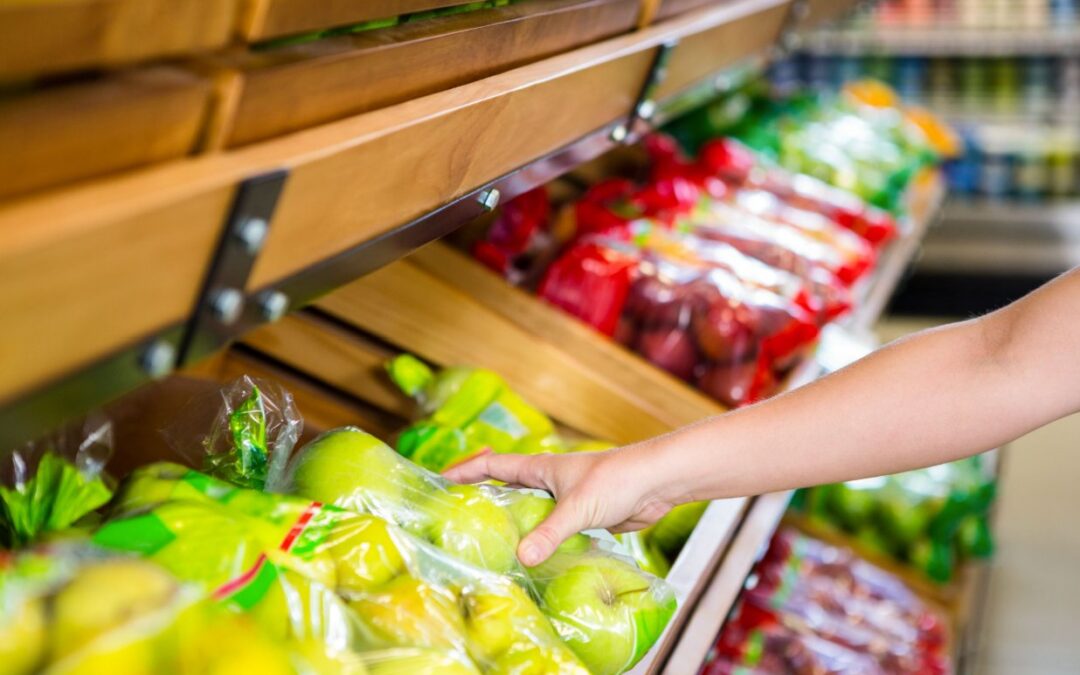
The packaging material you choose has a direct impact on product protection, shelf life, production efficiency, and cost. There’s no universal “right answer.”
Pick a material that’s too rigid for your filling line and you’ve got a processing problem. Choose one without the right moisture barrier and you’re risking spoilage, returns, or compliance issues.
The good news is that once you understand how the most common flexible packaging materials perform, the decision gets a lot more straightforward. This article explains LDPE, HDPE, polypropylene (PP), and sustainable alternatives — including the strengths, limitations, and ideal applications for each — so you can choose with confidence.
Key Takeaways
- LDPE, HDPE, and polypropylene are the most common flexible packaging materials.
- LDPE is the most flexible and widely used; HDPE is stronger and stiffer; polypropylene provides the best clarity and heat resistance.
- Flexible food packaging materials must meet FDA food-contact standards.
- Sustainable alternatives like recycled-content PE are increasingly viable, but involve trade-offs in cost and processing compatibility.
What Are Flexible Packaging Materials?
Flexible packaging materials are film-based materials that bend, compress, or conform to the product they contain. Unlike rigid formats (e.g., crates, cartons, hard-shell containers), flexible packaging is lightweight, adaptable, and engineered to deliver specific barrier performance without unnecessary bulk.
| Flexible packaging refers to bags, pouches, films, liners, wraps, and roll stock made from pliable materials — most commonly polymer-based films like polyethylene (PE or polypropylene (PP). |
Common flexible packaging formats include:
These materials show up across virtually every industry (e.g., food processing, agriculture, retail, e-commerce, industrial manufacturing, etc.) because they balance protection, efficiency, and cost in ways rigid packaging can’t match.
The three most widely used materials in flexible packaging are LDPE, HDPE, and polypropylene (PP). Each has a distinct molecular structure that determines how it performs. Understanding those differences is the starting point for making the right material selection for your application.
What Is LDPE? What Is It Best Used For?
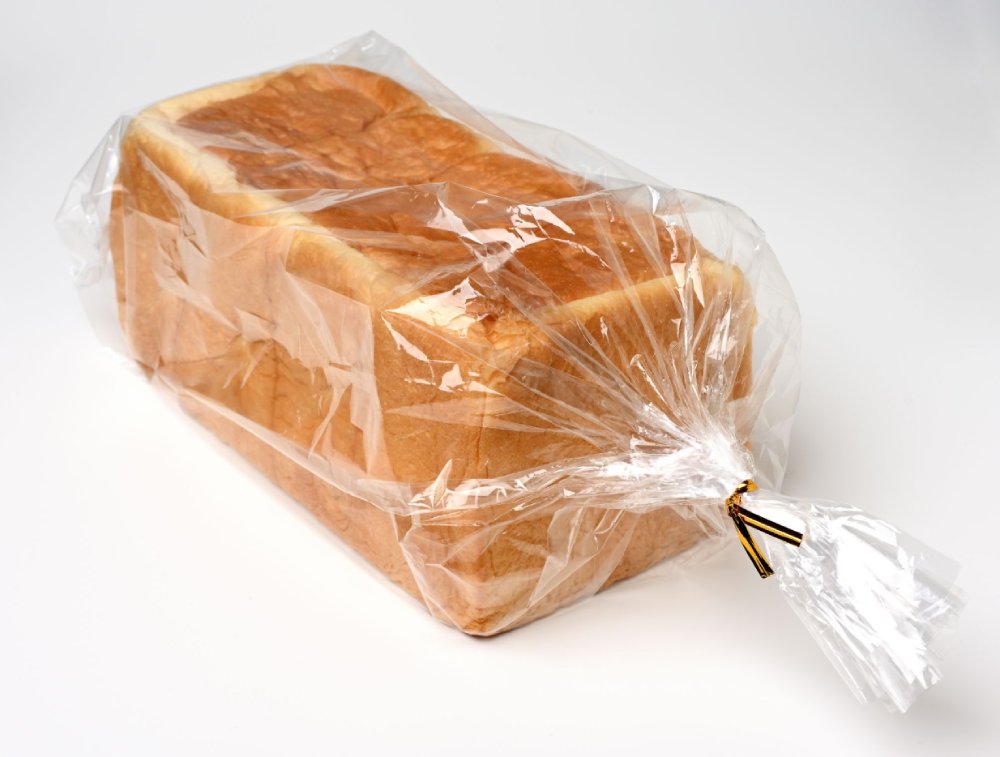
LDPE (Low-Density Polyethylene) is the most common flexible packaging film, known for its softness, flexibility, and reliable moisture resistance. If you’ve used a produce bag, a bread bag, or a poly liner, you’ve used LDPE.
| LDPE is a thermoplastic made from ethylene monomers with a loosely branched molecular structure. That branching is what makes it soft and pliable at room temperature, and why it performs well in applications that require repeated flexing without tearing. |
Where LDPE Excels
- High flexibility and conformability (ideal for products with irregular shapes)
- Excellent moisture barrier at a low cost per unit
- Good clarity, making contents visible without opening
- FDA-approved for food contact applications
- Compatible with most standard heat-sealing equipment
LDPE Limitations
- Lower tensile strength compared to HDPE (more prone to puncture under sharp load)
- Not suitable for high-heat applications (begins to soften around 70-80°C)
- Provides a weaker gas barrier than PP, which matters for oxygen-sensitive products
What Are the Best Applications for LDPE Packaging?
The best applications for LDPE are: produce bags, bread bags, bakery liners, bulk bin liners, retail garment bags, shrink wrap, plastic film rolls, and pallet covers.
What Is HDPE? What Is It Best Used For?
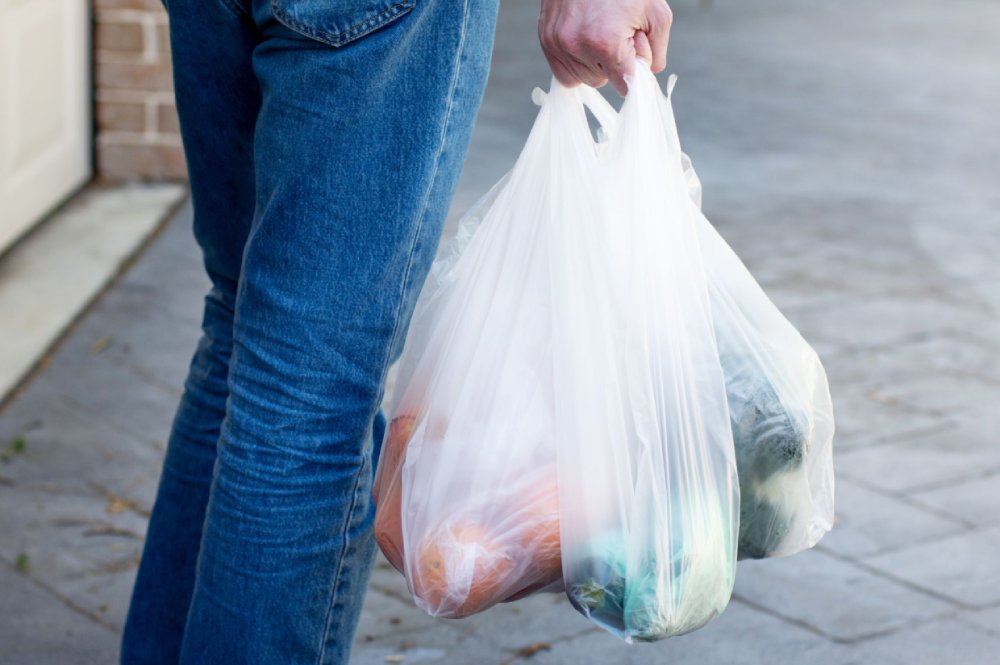
HDPE (High-Density Polyethylene) is stiffer, stronger, and more puncture-resistant than LDPE, making it the right call when your product demands a tougher film. It’s made from the same ethylene base as LDPE, but its tightly packed molecular chains create a denser, more rigid structure.
| HDPE is a polyethylene variant with a high degree of crystallinity and minimal branching in its molecular chain. That’s what gives it greater tensile strength, better moisture resistance, and a higher melting point than LDPE. |
Where HDPE Excels
- Superior tensile strength and puncture resistance
- Better moisture barrier than LDPE
- Higher heat resistance (softening point around 120-130°C)
- FDA-approved for food contact applications
- More rigid (holds shape better in heavy-load applications)
HDPE Limitations
- Less flexible than LDPE (not ideal for conformable or stretch applications)
- More opaque, which reduces product visibility in retail settings
- Stiffer on the line (may require equipment adjustments on some packaging systems)
What Are the Best Applications for HDPE Packaging?
The best applications for HDPE are: grocery bags, produce bags with heavier contents, bulk bin and box liners, industrial liners, drum liners, and heavy-duty poly bags where puncture resistance is the priority.
LDPE vs. HDPE at a Glance
| Property | LDPE | HDPE |
| Flexibility | High | Moderate |
| Clarity | Good (translucent) | Lower (more opaque) |
| Tensile Strength | Moderate | High |
| Moisture Barrier | Good | Excellent |
| Heat Resistance | Lower (70-80°C) | Higher (120-130°C) |
| Typical Cost | Low | Low-moderate |
| Best For | Produce, bread, liners, film | Grocery bags, industrial liners |
When Should You Use Polypropylene (PP) Packaging?
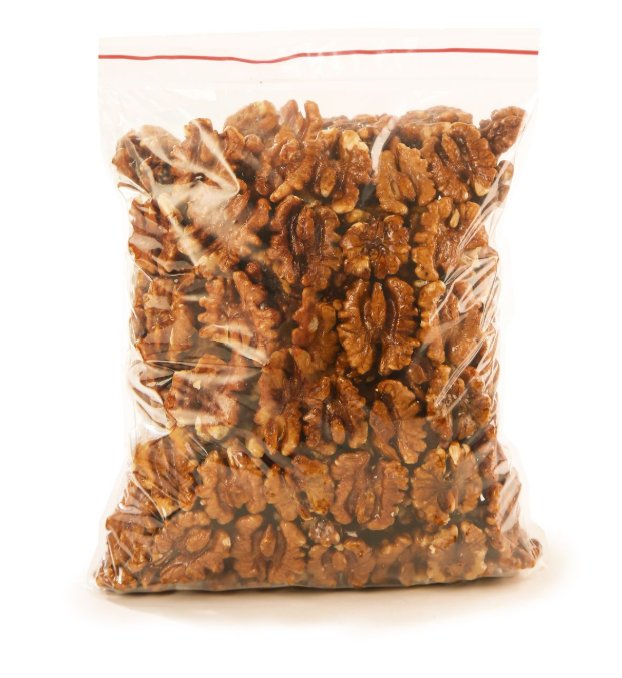
Polypropylene packaging is the go-to when you need the best clarity, higher heat resistance, or a stronger moisture barrier than polyethylene options can deliver. PP has a different polymer structure than LDPE and HDPE, and that difference shows up in performance advantages for specific applications.
| Polypropylene (PP) is a thermoplastic polymer with a semi-crystalline structure that gives it higher stiffness, a better moisture barrier, and a higher melting point than polyethylene. It’s the basis for many flexible food packaging materials in snack, bakery, and dry goods applications. |
Where Polypropylene Excels
- Exceptional optical clarity (often the clearest film option for retail display)
- Higher heat resistance (melting point around 160°C) — supports hot-fill and heat-seal applications
- Good stiffness at room temperature
- FDA-approved for food contact applications
Polypropylene Limitations
- Becomes brittle in cold or freezing temperatures (not the right call for frozen food applications)
- Higher material cost than LDPE or HDPE
- Less compatible with some lower-temperature heat-sealing setups
What Are the Best Applications for Polypropylene Packaging?
The best applications for polypropylene packaging are: snack food bags, bakery packaging, apparel and retail display bags, dry goods pouches, and any application where product visibility and heat sealability are both priorities.
| Our Experience In our experience at A-Pack Manufacturing, customers often switch from LDPE to polypropylene when they upgrade their retail packaging. The clarity difference at point-of-sale is hard to argue with, especially for food products where visual freshness cues matter.
That said, if the product goes anywhere near a freezer or cold chain, PP can become brittle and crack. Know your storage and distribution environment before specifying PP. |
LDPE vs. HDPE vs. Polypropylene: Full Comparison
Property |
LDPE |
HDPE |
Polypropylene (PP) |
| Flexibility | High | Moderate | Moderate-low |
| Optical Clarity | Good | Low-moderate | Excellent |
| Tensile Strength | Good | High | High |
| Moisture Barrier | Good | Excellent | Excellent |
| Heat Resistance | Lower (70-80°C) | Higher (120-130°C) | Highest (160°C) |
| Cold Temp. Performance | Good | Good | Poor (brittle) |
| Cost (relative) | Low | Low-moderate | Moderate-high |
| FDA Food Contact | Yes | Yes | Yes |
| Best For | Produce, liners, film | Industrial bags, liners | Snack, retail, bakery |
What Are the Best Sustainable Packaging Alternatives?
Several sustainable alternatives now perform comparably to conventional films for specific applications, and demand is accelerating. The global sustainable packaging market was valued at USD 126.5 billion in 2025 and is projected to reach USD 240.5 billion by 2034, growing at a CAGR of 7.42%, per Precedence Research’s 2025 sustainable packaging market analysis.
For manufacturers, the challenge is finding one that doesn’t compromise performance or require retooling your line.
A-Pac’s Answer: NuPlastiQ® BioBlend™ Poly Bags
At A-Pac Manufacturing, we offer a more sustainable poly bag built on NuPlastiQ® technology: a plant-based polymer developed by BiologiQ® that we blend with standard polyethylene or polypropylene resin to create what’s called a BioBlend™ bag.
| NuPlastiQ® BioPolymer is a plant-based polymer derived from renewable resources. When combined with conventional PE or PP resin, it forms a BioBlend™ structure that maintains the strength and performance of standard poly bags while reducing reliance on fossil fuel-based materials by up to 20%. |
Here’s what makes the NuPlastiQ® BioBlend™ option stand out for manufacturers who are weighing sustainable alternatives:
- Up to 20% plant-based material — Blended directly into the same LDPE or PP base you already run, with no change to bag style, mil strength, or custom branding options
- Reduced carbon footprint — Can lower your cradle-to-gate plastic resin-related carbon footprint by up to 20% compared to conventional poly bags
- Accelerated biodegradation — Like paper, the NuPlastiQ® plant-based component is broken down by naturally occurring microorganisms if the bag isn’t recycled, rather than persisting indefinitely
- Recycling-compatible — NuPlastiQ® BioBlend™ bags are recyclable in closed-loop systems where the material is known
- No tradeoff on durability — The bags won’t break like glass or disintegrate like paper; they hold up through normal production, shipping, and handling demands
| Our Experience The most common concern we hear from customers considering a sustainable poly bag is whether they’ll have to sacrifice performance or retool their line. With NuPlastiQ® BioBlend™, the answer is no on both counts. You’re getting the same bag you already trust (same specs, same styles, same sealing compatibility), just with a plant-based component added to the blend. It’s a straightforward way to reduce your plastic resin footprint without starting over. |
How to Match the Right Flexible Packaging Material to Your Product?
The right material comes down to five factors. Working through each one gives you a clear path to the right specification.
1. Product Type and Food Contact Requirements
If your product contacts food directly, your material must be FDA-approved for food contact. LDPE, HDPE, and PP all qualify, but confirm the specific resin and any additives used.
A-Pac Manufacturing is FSSC 22000 certified, which means our flexible food packaging materials meet rigorous food safety system standards.
2. Moisture and Barrier Requirements
Does your product need to stay dry (snacks, dry goods)? Lock moisture in (baked goods)? Breathe (fresh produce)? Your moisture barrier requirements will often decide between LDPE, HDPE, and PP before any other factor.
3. Temperature Exposure
What temperatures does your packaging see during filling, sealing, storage, and distribution? If your process runs hot or your product enters a cold chain, temperature resistance is a defining spec. PP handles heat well; it handles freezing poorly. LDPE handles both reasonably well for most applications.
4. Production Line Compatibility
What sealing equipment are you running? What speeds? Some materials require higher seal temperatures or specific dwell times. Switching from LDPE to PP, for instance, usually requires adjusting your sealing parameters.
5. Sustainability and Recycling Goals
If you have sustainability commitments, they need to factor into material selection before you finalize a spec. Recycled-content PE is the most compatible path for most manufacturers; mono-material structures are the direction for long-term recyclability.
Not sure which material is right for your application? Download our free guide, How to Choose the Right Poly Bag, for a step-by-step breakdown of the specs, thickness, and material selection.
Shop Flexible Packaging Materials & Poly Bags
There’s no single best flexible packaging material; there’s only the right one for your product, process, and goals. If you’re still working through the decision, we’ve been helping manufacturers specify the right poly bag and film products since 1988. Send us a message — we’ll help you find the right fit.
Frequently Asked Questions About Flexible Packaging Materials
What’s the most common flexible packaging material?
LDPE (Low-Density Polyethylene) is the most widely used flexible packaging material. It’s flexible, moisture-resistant, FDA-approved for food contact, and compatible with most heat-sealing equipment, making it the default choice for produce bags, bread bags, liners, and general-purpose poly bags.
What’s the difference between LDPE and HDPE packaging?
LDPE is softer, more flexible, and has better clarity; HDPE is stiffer, stronger, and offers a better moisture barrier. LDPE works well for applications requiring conformability and product visibility. HDPE is the better call when puncture resistance and load-bearing strength are the priority, like industrial liners or grocery bags.
Is polypropylene better than polyethylene for food packaging?
It depends on the application. PP offers superior optical clarity and heat resistance, which makes it a better fit for snack, bakery, and retail food packaging. But it’s more expensive and becomes brittle in cold temperatures, so for frozen or refrigerated applications, LDPE or HDPE is typically the better choice.
Read more about the difference between polypropylene and polyethylene →
What flexible packaging materials are FDA-approved for food contact?
LDPE, HDPE, and polypropylene (PP) are all FDA-approved for direct food contact when manufactured with food-grade resins and without prohibited additives. When sourcing flexible food packaging materials, confirm your supplier holds relevant food safety certifications.
What are the most sustainable flexible packaging options?
For manufacturers who don’t want to retool their line, A-Pac’s NuPlastiQ® BioBlend™ bags are one of the most practical options — up to 20% plant-based material, recycling-compatible, and available in the same styles and specs as standard poly bags. Recycled-content PE and mono-material structures are also strong choices depending on your recyclability commitments and equipment setup.
How do I know what thickness of flexible packaging film I need?
Thickness (measured in mils) affects puncture resistance, tear strength, and seal quality. Lighter-duty applications, like produce or bread bags, typically run at 0.5–1.5 mil. Heavier-duty liners or industrial bags often run at 2–6 mil or higher. A-Pac’s poly bag thickness guide walks through exactly how to spec the right gauge for your application.