
5 Common Types of Poly Bags
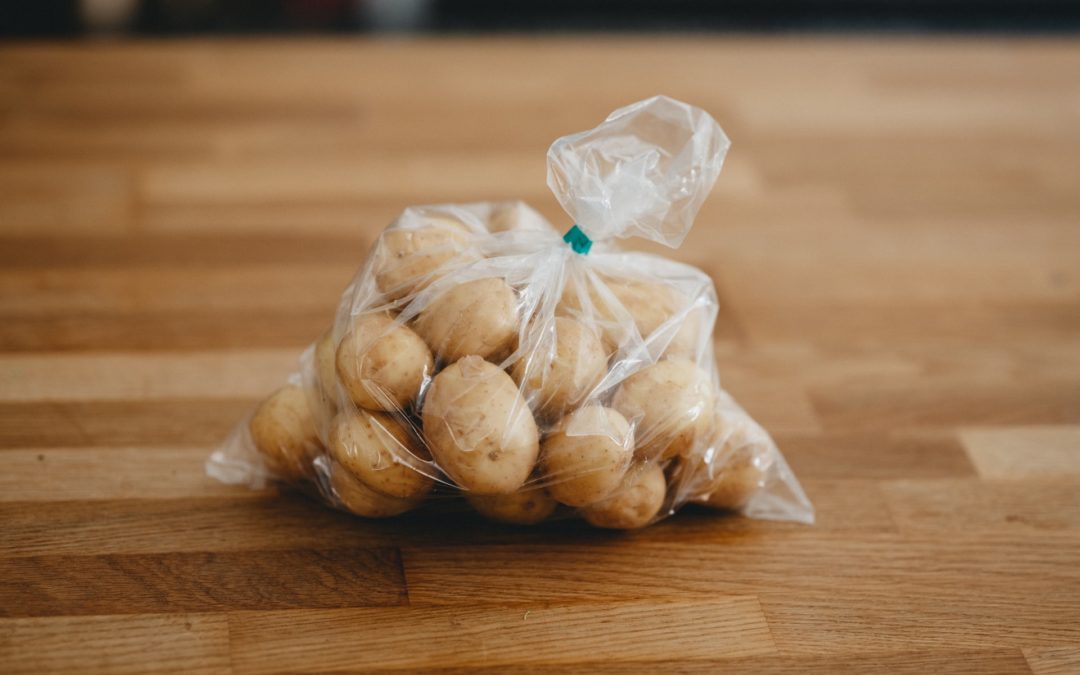
Due to their versatile nature, poly bags can be used for a wide range of applications. They’re made to achieve the utmost versatility by stretching sheets of film to the desired length, then cutting and sealing the plastic to form a pouch.
The two most common poly bag types are polyethylene and polypropylene. Of the two, polyethylene is the most popular choice because of its versatility, and polypropylene is highly valued for its clarity and tensile strength. But how do you know which option is best for you?
The 5 Different Types of Poly Bags
Let’s take a look at the 5 common poly bag types made from polyethylene and polypropylene so you can decide which is best for your application.
Polyethylene Poly Bag Types
Polyethylene is the result of the polymerization of ethylene gas. This process creates long, straight chains of hydrocarbons. From the main strand, branches can form in different directions. The amount of branching determines the type of polyethylene. When very few branches form, the polyethylene is more dense. Conversely, when more branching occurs, the molecules have more space, so we end up with less dense polyethylene.
A few common varieties of polyethylene that can be used to make excellent quality poly bags include:
- High-Density Polyethylene (HDPE)
- Low-Density Polyethylene (LDPE)
- Linear Low-Density Polyethylene (LLDPE)
- Medium Density Polyethylene (MDPE)
HDPE Poly Bags
High-density polyethylene, or HDPE, is formed when minimal branching from the main strand occurs during polymerization. The result is a tightly packed structure of molecules and a more dense, less flexible material. The advantages of HDPE are that it is very resistant to punctures and tears and can be used to package heavy items safely and effectively.
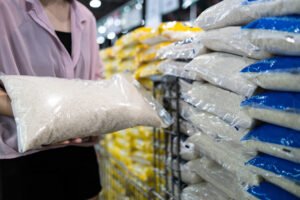
HDPE poly bags are often used to contain bulk items like construction materials such as cement and sand, but can also be food-safe for items like dry bulk goods such as rice or other grains. HDPE poly bags are also useful for packaging irregularly shaped products, especially those with pointed or sharp edges.
LDPE Poly Bags
Low-density polyethylene (LDPE) is a type of polyethylene characterized by the branching that occurs during polymerization to create more space in the molecular structure. This process results in a less dense material. For this reason, LDPE poly bags are much more flexible and make it easy to see what’s inside.
LDPE poly bags are also easier to tear than other poly bag types. While easy access is an advantage for some applications, sensitive products or bulky items might be better protected with a more dense plastic.
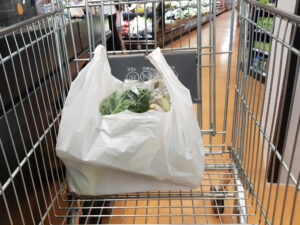
LDPE poly bags are great for lightweight items requiring good visibility and ease of access, like small parts, food items, and pallet covers. They are also commonly used for temporary storage, like grocery bags and shopping totes.
LLDPE Poly Bags
LLDPE, or linear low-density polyethylene, is similar to LDPE in that the polymerization process involves a high level of branching. However, the branches that form from the main polymer chain are short and parallel, allowing them to move in tandem with one another and not become tangled. The result is a poly bag type with higher tensile strength and puncture resistance than LDPE without sacrificing flexibility.
LLDPE is commonly used to make poly bags for produce in grocery stores, as the thinner gauge potential can save material costs while providing adequate strength with quality sealing options. LLDPE poly bags are less transparent than LDPE poly bags, so they are more useful in applications where strict clarity isn’t a priority.

MDPE Poly Bags
Medium-density polyethylene (MDPE) is created when the main strand of hydrocarbons has fewer branching strands than low-density polyethylene, but more than high-density polyethylene.
Similarly, MDPE falls between these two types in terms of resistance and strength. MDPE poly bags aren’t as dense as HDPE, but they are just as heavy-duty. This type of poly bag is also less susceptible to stress cracking and has impressive shock-resisting properties. MDPE poly bags are often used for packaging because they offer an excellent protective layer against moisture, debris, and external damage.
Polypropylene Poly Bags
Polypropylene (PP) is a common poly bag material that belongs to its own category. Although it’s also in the family of polyolefins, polypropylene is made from the polymerization of olefin propylene. It is second to polyethylene as one of the most-used poly bag types, and it is growing in popularity due to its valuable applications in packaging.
Characterized by its crystal-clear appearance and high tensile strength, polypropylene offers more heat and chemical resistance than polyethylene. Its edges can be sharp, so it’s best used in applications where it can’t scratch the product or contents.
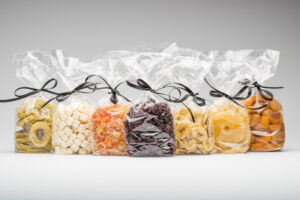
Polypropylene bags find frequent application in sectors such as food packaging, electronics manufacturing, and healthcare facilities, where their primary purpose is to safeguard the contents from potential contaminants. PP poly bags protect against moisture, vapors, and debris. Combined with a higher heat resistance than LDPE, Polypropylene poly bags are beneficial for applications with outdoor exposure. Also, their high clarity makes them perfect for packaging where visibility of the contents is paramount.
Find the Ideal Type of Poly Bags for Any Application with A-Pac
Polyethylene and polypropylene are the two most popular poly bag types, and they offer a wide range of uses. Knowing the differences between them and the advantages they offer can help you decide which poly bag is the best fit for your needs. For more help choosing the right poly bag, contact the team at A-Pac directly.
Whether you’re looking for HDPE, LDPE, or anything in between, A-Pac Manufacturing can help. We offer custom poly bags with no order minimums, so no matter what type of poly bag you need, we can manufacture and ship in as little as 2-3 weeks.
Contact our team and request a quote for your poly bags today!
