Delivering Trusted Food-Grade Poly Packaging, Backed by FSSC 22000 Food Safety System Certification
At A-Pac Manufacturing, we understand that food safety isn’t just a priority—it’s a non-negotiable requirement for businesses in the food industry. That’s why we’re proud to maintain our Food Safety System Certification (FSSC 22000).
FSSC 22000 is a globally recognized standard that demonstrates our commitment to producing safe, reliable, and high-quality poly packaging for food applications.
What Is Food Safety System Certification?
FSSC 22000 is a comprehensive certification based on ISO standards, fully recognized by the Global Food Safety Initiative (GFSI). It provides a framework for effectively managing food safety and quality responsibilities across the supply chain.
In simple terms, our food safety system certification means we operate under a continually audited food safety management system. From raw material sourcing to final product handling, we follow strict processes to ensure every poly bag we produce is safe for food contact.
Why FSSC 22000 Matters to Our Customers
If your business involves packaging food products, partnering with a food safety-certified supplier provides confidence and compliance. Our certified poly bags, films, and custom packaging solutions are manufactured under tightly controlled, hygienic conditions—and meet the highest international standards.
Here’s what that means for you:
Reduced food safety risk
Consistent product quality
Compliance with regulatory and industry requirements
Greater confidence in your supply chain
Whether you’re packaging raw ingredients, frozen foods, or ready-to-eat items, we ensure your packaging supports both safety and performance.
Our Commitment To Food Safety Doesn’t Stop
FSSC 22000 is not a one-time milestone—it’s an ongoing commitment. Like our ISO certification, our facility undergoes regular surveillance audits by accredited bodies to verify compliance and drive continuous improvement. We don’t just meet standards—we strive to exceed them.
Real-World Uses for Food-Grade Poly Bags
Food-grade plastic is essential for safe packaging, storage, and food distribution. At A-Pac Manufacturing, our certified poly bags are used in a wide range of food applications thanks to their safety, versatility, and consistent performance.
Some common uses include:
Produce bags for fruits and vegetables
Bread bags and bakery packaging
Frozen food packaging
Dairy and cheese liners
Bulk ingredient bags for grains, spices, or powders
Flexible packaging for ready-to-eat meals or snacks
Clear liners for food bins and containers
Made from low- and linear low-density polyethylene (LDPE and LLDPE), our bags are manufactured in a strictly controlled environment to ensure they meet all food safety standards. Whether you’re packaging raw ingredients or consumer-ready products, A-Pac’s custom poly bags are built to perform safely in your environment.
Access Our Food Safety Documentation:
Please visit our Certifications page to view our official certification documents, food safety policy, and additional compliance information.
A-Pac Manufacturing: Work With a Certified Poly Packaging Partner You Can Trust
Food-grade packaging is too important to leave to chance. With A-Pac, you get more than just high-quality poly bags—you get a reliable partner dedicated to safety, quality, and service.
Have questions about our food safety standards or how we can support your packaging needs? We’re here to help! Reach out to our team for a free quote today.
Sustainability isn’t just a buzzword—it’s a responsibility many businesses take incredibly seriously. As concerns about plastic waste and environmental impact grow, manufacturers play an important role in reducing waste and promoting responsible recycling practices.
At A-Pac Manufacturing, we’ve been committed to sustainability from day one. Our eco-friendly manufacturing and recycling initiatives ensure that we minimize waste, maximize efficiency, and contribute to a greener future while delivering high-quality, polyethylene bags.
Let’s look at how we integrate sustainability into every aspect of our operations—from recycling polyethylene and internal scrap to developing innovative, eco-friendly products.
Why Does Sustainability Matter in Poly Bag Manufacturing?
Plastic waste is a growing concern worldwide, with more than 350 million tons produced yearly. Industries continue to rely on plastic for packaging and production, so businesses must take proactive steps to reduce environmental impact and ensure that plastic materials are managed responsibly.
Polyethylene, one of the most commonly used plastics, stands out for its high recyclability. When handled properly, it can be repurposed into new products, reducing the demand for virgin plastic and minimizing waste. However, not all manufacturers prioritize responsible recycling and waste management, leading to excessive plastic pollution.
At A-Pac Manufacturing, sustainability is built into our process. Our mission is to provide the best polyethylene bags while upholding the highest standards for eco-friendly manufacturing. We ensure that our products meet both performance and sustainability expectations—helping businesses make a positive impact without compromising on quality.
How A-Pac Manufacturing Reduces and Recycles Waste
Sustainability starts from within. That’s why we implement polyethylene recycling and waste reduction practices that minimize our environmental impact.
Internal Recycling Programs
Waste is an unavoidable part of the manufacturing process, but at A-Pac, 100% of our internal polyethylene scrap is collected, processed, and sent to recyclers. This prevents unnecessary waste from ending in landfills and ensures that valuable materials are repurposed into new products instead of discarded.
Our scrap is clean, uncontaminated, and highly valued by recyclers. This means it can be efficiently reprocessed into new plastic products like trash bags, construction materials, and outdoor furniture, giving it a second life rather than contributing to plastic waste.
Minimizing Waste in the Manufacturing Process
While some scrap is inevitable, we take proactive measures to reduce waste at the source. Our precision manufacturing techniques allow us to reduce excess material, maximizing efficiency while minimizing waste.
Additionally, using only the highest-quality virgin resin ensures that our polyethylene bags are easier to recycle at the end of their lifecycle. This approach helps our customers meet their packaging needs while reducing environmental impact.
What Happens to Recycled Polyethylene?
Recycling polyethylene isn’t just about reducing waste—it’s about giving plastic a second life. Once collected and processed, recycled polyethylene can be transformed into a wide range of useful products, reducing the demand for virgin plastic production.
After A-Pac sends its internal scrap to recyclers, the material goes through a multi-step process:
Collection & Sorting – Polyethylene waste is gathered, separated by type (LDPE, HDPE), and cleaned to remove contaminants.
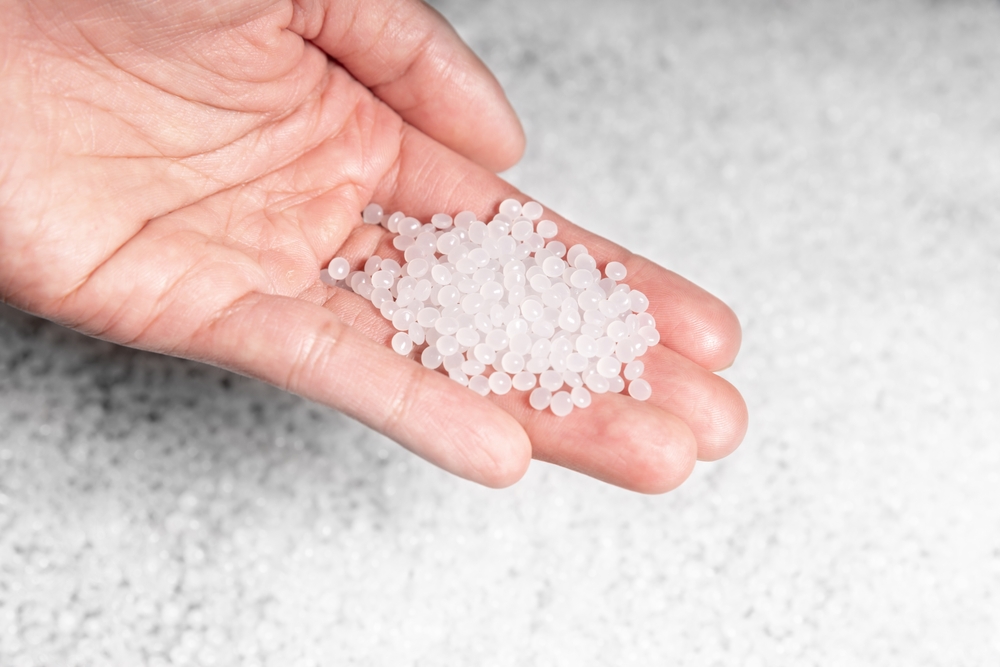
Shredding & Pelletizing – The plastic is ground into small flakes and melted down into pellets, which serve as raw material for new products.
Repurposing & Manufacturing – These recycled pellets are used to create durable, high-performance products that might otherwise require new plastic.
Common Products Made from Recycled Polyethylene:
Trash bags and plastic packaging materials – Recycled polyethylene is commonly used to produce flexible, durable bags and packaging solutions.
Outdoor furniture – Benches, picnic tables, and chairs often incorporate recycled plastic.
Construction materials – Plastic lumber, pipes, and insulation benefit from recycled polyethylene.
Household and storage items – Containers, bins, and other plastic organizers are often made using repurposed polyethylene.
At A-Pac Manufacturing, we innovate to create more sustainable materials and processes. By integrating plant-based alternatives and designing eco-friendly products, we’re working to make a lasting impact on the environment.
Reduce reliance on fossil fuels – Using plant-based components helps lower the demand for petroleum-based plastics.
Maintain strength and durability – Unlike some biodegradable plastics, which weaken over time, A-Pac’s NuPlastiQ®-enhanced bags retain the same flexibility, strength, and reliability as traditional polyethylene.
Support long-term sustainability – These innovations help businesses reduce their carbon footprint without compromising packaging quality.
2. Eco-Friendly Product Design
Sustainability isn’t just about the materials—it’s also about how products are made and used.
Our sustainable poly bags are designed to:
Integrate seamlessly into existing recycling systems, making disposal easier and more responsible.
Be lightweight and cost-effective, reducing material waste and production emissions.
Offer customization options, allowing businesses to maintain branding and functionality while making an environmentally friendly choice.
3. Community Recycling Initiatives
Sustainability is a collective effort, and A-Pac is proud to extend our recycling initiatives beyond our own facility. We actively invite local businesses and individuals to bring in polyethylene scrap so it can be properly processed and repurposed instead of ending up in landfills.
As a brand, we strive to:
Encourage responsible disposal – Many businesses struggle to find ways to recycle plastic waste. A-Pac provides a solution by collecting and reprocessing scrap materials efficiently.
Minimize environmental impact – By keeping plastic in the circular economy, we help reduce pollution and conserve resources.
Build a greener community – Through education and outreach, A-Pac fosters a culture of sustainability, empowering more businesses and individuals to participate in responsible recycling.
How Businesses Can Partner with A-Pac for Sustainable Solutions
At A-Pac Manufacturing, we make it easy for businesses to embrace sustainability without compromising performance. Our customized, recyclable, and plant-based poly bags are designed to meet the needs of eco-conscious companies looking for reliable, environmentally friendly packaging.
How Your Business Can Get Involved:
Recycle with A-Pac – Bring your polyethylene scrap to our recycling program, and we will ensure it is adequately processed and repurposed.
Choose sustainable packaging – Upgrade to recyclable and plant-based poly bag options that align with your sustainability goals.
Partner with us – Work with us to create custom sustainable packaging solutions tailored to your industry’s needs.
Sustainability is a shared effort; together, we can make a meaningful impact. Join the movement today! Contact A-Pac Manufacturing to learn more about our sustainable poly bag solutions or request a free product quote!
With updated bag ban laws, California is making big moves to reduce single-use plastic waste. These laws are phasing out plastic carryout bags in grocery stores, retail shops, and more.
Starting January 1, 2025, pre-checkout bags must be made from recycled paper or compostable materials. By January 1, 2026, carryout bags will need to be recycled paper only.
If you’re a business owner, you might wonder how these changes will affect you. The good news? Custom bags made by A-Pac aren’t part of this ban. However, staying informed is still important to avoid confusion and ensure your business stays on the right track.
What Is the California Plastic Bag Ban?
California’s plastic bag ban is one of the most comprehensive efforts in the country to eliminate single-use plastic bags. The laws aim to reduce waste and encourage the use of environmentally friendly alternatives. Here’s what you need to know:
January 1, 2025: Pre-checkout bags (produce, deli bags, etc.) must be made from recycled paper or compostable materials.
January 1, 2026: Carryout bags must be made from recycled paper at the point of sale.
Stores can continue to sell reusable plastic bags made with recycled content or recycled paper bags until the 2026 deadline.
Bag Fees:
Stores are required to charge at least 10 cents per bag for reusable or recycled paper bags. The stores keep these fees to cover the cost of providing compliant bags.
Enforcement:
Local jurisdictions enforce the ban, including cities, counties, and the California Attorney General’s office. Violations can be reported to local district attorneys or the Attorney General’s office.
How Does The California Plastic Bag Ban Impact Businesses?
SB 270 will directly impact industries that provide bags directly to customers. Grocery, retail, food service, and liquor stores are among the most prominent sectors that must adjust their operations to meet the new requirements.
Affected businesses must phase out single-use plastic bags and transition to alternatives like:
Reusable Bags: Durable, recycled-content bags that customers can use multiple times.
Recycled Paper Bags: Fully compliant with the new laws, these will become the go-to option for pre-checkout and carryout needs.
Businesses should also educate customers about these changes, including the mandatory 10-cent bag fee and the benefits of using environmentally friendly options. Clear communication can prevent aggravation and ensure a smoother transition.
The legislation specifically targets single-use grocery and carryout bags, not industrial or custom-use plastic bags like those manufactured by A-Pac.
A-Pac’s custom-made solutions cater to specific business needs, including industrial, commercial, and specialty applications that fall outside the scope of the ban.
By understanding the law’s focus and making the necessary adjustments, businesses can stay compliant while continuing to serve their customers effectively. A-Pac is here to provide clarity and support to help you navigate these changes confidently.
Why Is It Important to Stay Updated on Bag Ban Legislation?
Plastic bag bans often make national headlines. These laws typically focus on single-use plastic grocery and carryout bags, but the news can lead to confusion about which types of plastic bags are affected.
Staying informed is crucial for businesses that rely on plastic products to avoid unnecessary concerns or operational disruptions.
The good news is that custom bags for industrial and specialized applications, like those manufactured by A-Pac, are not included in these bans.
By keeping up with the latest legislation, you can:
Avoid miscommunication with customers
Ensure your bag offerings align with local or state requirements.
Use accurate information to make strategic decisions for your business operations.
At A-Pac, we prioritize staying on top of industry regulations and sharing the latest updates with our customers. Whether you’re seeking clarity about bag bans or need expert advice on your custom bag options, we’re here to help.
Partner with A-Pac for Reliable Custom Bag Solutions
A-Pac Manufacturing specializes in creating custom-made bags for industrial, commercial, and specialized applications that fall outside the scope of plastic bag bans like California’s.
Our products are tailored to meet our clients’ unique needs, ensuring performance, reliability, and compliance with industry standards.
If you have questions about how the California plastic bag ban might affect your operations or want to explore custom bag solutions, A-Pac is here to help. Contact us today!
Understanding the materials used to produce these products can provide a significant advantage if you run a business that relies on poly bags and packaging.
One of poly bag production’s most critical components is polyethylene, a natural gas material. Since natural gas is the foundation for polyethylene production, fluctuations in natural gas prices can directly impact the cost of poly packaging materials.
Let’s look at the connection between natural gas and polyethylene, including the production process and insights into current market trends. Then, you’ll be equipped with information on how natural gas prices might affect your business’s packaging costs and bottom line.
How Natural Gas Powers the Industrial Production of Polyethylene
Natural gas plays a key role in making polyethylene, which is the material used to produce poly bags and other packaging products.
Here’s a breakdown of how it works:
Ethane Extraction: Natural gas contains ethane, which is separated from the gas to be used in polyethylene production.
Cracking Process: The ethane is heated to very high temperatures in a process called “cracking,” which turns it into ethylene. Ethylene is the basic ingredient needed to create polyethylene.
Making Polyethylene (Polymerization): The ethylene is then processed to create polyethylene through a process called polymerization. This material can then be shaped into plastic products like poly bags.
The Current State of Natural Gas Production
The United States is by far the largest natural gas producer in the world, representing almost a quarter of global production. This results from the discovery of vast natural gas reserves and advancements in extraction technologies like fracking.
Compared to oil, natural gas offers a more streamlined and cost-effective path to manufacturing polyethylene because its primary byproducts are specifically suited to plastics.
Current Market Trends: Natural Gas & Polyethylene Pricing
In October 2024, the U.S. benchmark Henry Hub natural gas spot price averaged $2.20/MMBtu, reflecting lower seasonal demand and high storage inventories.
Prices are expected to increase to an average of $2.90/MMBtu in 2025 due to higher liquefied natural gas (LNG) exports and sustained international demand.
This 33% increase could lead to higher costs for polyethylene production.
Natural Gas Production:
U.S. natural gas production remained steady throughout 2024, averaging 113 billion cubic feet per day (Bcf/d).
Natural gas production is forecasted to increase by 5-6% in 2025.
Natural Gas, Polyethylene & Your Business
As you can see, the connection between the availability of natural gas affects the production of polyethylene, which in turn affects the poly bags you use for your business.
Polyethylene is a vital resource for businesses that rely on poly bags and packaging. Whether you need flat poly bags, wicketed bags, or custom liners, the cost and availability of polyethylene directly influence your packaging budget.
Understanding these market dynamics can help you make smarter purchasing decisions. Here’s why:
Price Stability: If natural gas prices remain stable, the cost of polyethylene—and therefore poly bags—is less likely to see significant increases.
Global Supply Chain Considerations: With the U.S. leading in natural gas production, domestic polyethylene manufacturers are well-positioned to offer competitive pricing compared to international competitors.
Sustainability Trends: Natural gas-derived polyethylene supports efficient and eco-conscious production methods, aligning with the sustainability goals of many modern businesses.
Partner With A-Pac Manufacturing for All Your Poly Needs
At A-Pac Manufacturing, we deliver high-quality custom poly bags tailored to your needs. Whether you need flat bags, liners, or custom products, we provide cost-effective solutions and strategic support to help your business thrive.
If you’re curious about how current market conditions might affect your business, contact the experts at A-Pac Manufacturing today. We’ll explain your options and help you find the best solution for your poly bag needs. We love working with small businesses and want to be a strategic partner to help you thrive.
Contact us today or visit our website to explore our top-of-the-line poly bag and packaging offerings and request a free quote.
With all the talk about sustainability these days, recycled plastic packaging is quickly becoming more popular among businesses.
Using recycled plastic not only helps reduce waste but also lets companies meet growing requirements for eco-friendly materials. At A-Pac Manufacturing, we’re excited to be part of this movement by reusing resin to create high-quality recycled poly bags.
Let’s take a closer look at the process of producing recycled plastic packaging and how it’s paving the way for a more sustainable future in packaging.
What’s the Role of Resin in Poly Bag Production?
Resin is a broad term for liquid polymers derived from organic or synthetic sources. In plastic production, resins are essentially the building blocks that make plastic products strong, versatile, and suitable for a wide range of uses. Resin is the material that gives plastic bags their structure, durability, and flexibility.
In poly bag production, resin is melted down and formed into plastic film. The film is then shaped and sealed to create the bags we’re all familiar with. Without resin, plastic bags simply wouldn’t exist as we know them.
Types of Recycled Resin for Plastic Packaging:
When it comes to making recycled plastic packaging, different types of resin are available, each serving unique purposes:
Post-Consumer Recycled (PCR) Resin: PCR resin is made from consumer-used and recycled plastic products—think of bottles, packaging, and other plastic goods that go through the recycling process.
Post-Industrial Recycled (PIR) Resin: PIR resin comes from plastic waste generated during the manufacturing process itself, such as trimmings, shavings, or excess material.
At A-Pac Manufacturing, we’re committed to using recycled resin whenever possible to help reduce environmental impact. We create poly bags that meet high-quality standards by reusing recycled resins while contributing to a more sustainable supply chain.
Digging Deeper into Post-Industrial Recycled (PIR) Resin
We mentioned Post-Industrial Recycled (PIR) resin earlier, but let’s take a closer look at what makes it a vital part of sustainable plastic production.
Unlike Post-Consumer Recycled (PCR) resin, which comes from used plastic items recycled by consumers, PIR resin is derived directly from the manufacturing process. This includes leftover plastic materials like trimmings, shavings, and excess cuts that would otherwise go to waste.
These materials are collected, re-grounded, and reprocessed into new resin pellets for production reuse.
PIR resin has properties nearly identical to virgin resin, so it delivers the same quality and durability without sacrificing performance.
How PIR Resin Recycling Works – From Waste to Pellet
Turning plastic waste into high-quality resin pellets involves a meticulous process known as mechanical recycling.
This method allows manufacturers to transform used or leftover plastic into a usable form, giving it new life in the form of durable recycled plastic packaging.
Let’s break down the three key steps in this process:
Collection and Sorting – The process begins with collecting plastic waste generated during manufacturing, such as trimmings, shavings, and excess material. This waste is sorted by polymer type (like HDPE or LDPE) to ensure the recycled resin has consistent properties for various applications.
Cleaning and Shredding – Once sorted, the plastic waste undergoes a rigorous cleaning process to remove contaminants like dirt, labels, or residues. After it’s thoroughly cleaned, the plastic is shredded into small flakes, making it easier to handle in the next steps.
Melting and Pelletizing – The clean, shredded flakes are melted down and fed through a pelletizer machine. The pelletizer forms the melted plastic into small, uniform pellets, which are then cooled and hardened into resin pellets. These pellets are the raw material for producing new plastic products, including recycled packaging.
Quality control is essential throughout this process. By carefully managing each step—from sorting and cleaning to pelletizing—manufacturers like A-Pac ensure that the resulting recycled resin pellets meet high standards for consistency, strength, and durability.
The Benefits of Reusing PIR Resin for Plastic Packaging
Utilizing Post-Industrial Recycled (PIR) resin in plastic packaging offers multiple benefits for the environment and for companies looking to meet sustainability goals. Here’s how:
Reducing Waste and Resource Consumption – Manufacturers can repurpose plastic waste from production instead of letting it go to landfills. This minimizes waste and reduces the need for virgin plastic. It also conserves resources and lowers the environmental footprint of plastic packaging.
Compliance with Regulatory Standards – Many countries have implemented regulations requiring a minimum of 30% recycled content in plastic packaging. By incorporating PIR resin into products, companies can meet these regulatory requirements and stay ahead of evolving standards for sustainable packaging.
Maintaining High Quality – PIR resin performs similarly to virgin resin, ensuring that recycled plastic packaging meets the same quality standards as new plastic.
Through the use of PIR resin, manufacturers like A-Pac can help customers meet regulatory demands, reduce waste, and achieve sustainability objectives without sacrificing quality.
Choose A-Pac Manufacturing for Sustainable Packaging Solutions
If you’re looking for eco-friendly packaging solutions, consider partnering with a supplier like A-Pac Manufacturing.
We’re committed to top-of-the-line recycled plastic products. Our expertise in reusing resin means you get durable, reliable poly bags that support your sustainability goals without compromising performance.
Contact us today to learn more about A-Pac Manufacturing’s sustainable packaging options or to request a sample of our recycled poly bags.