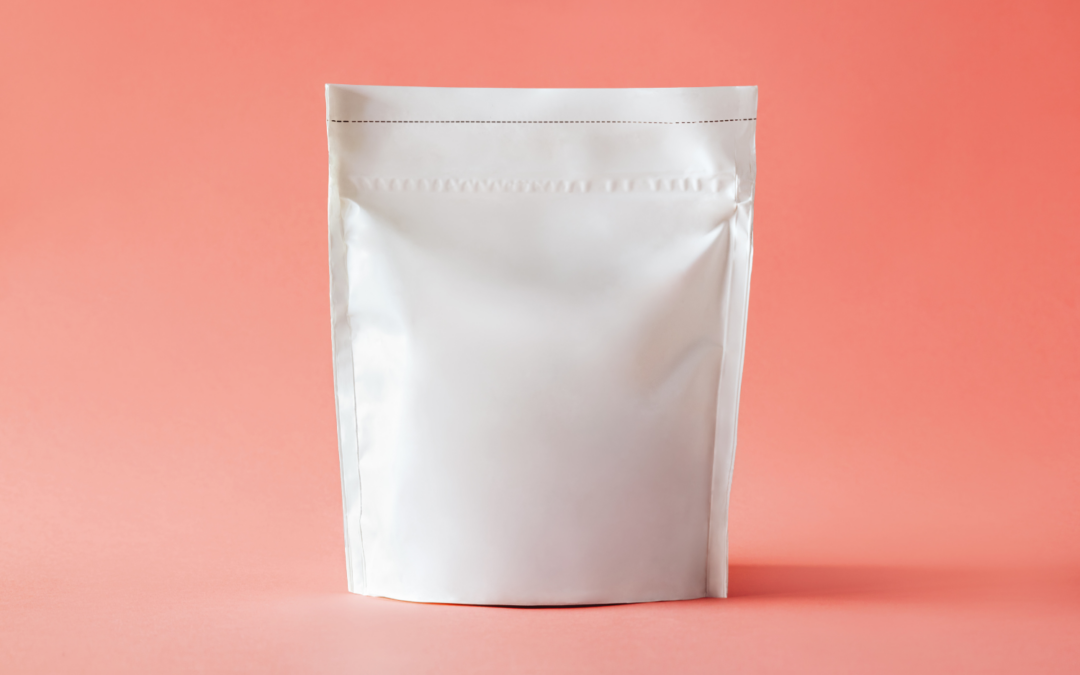
E-commerce is growing at an unprecedented rate, with businesses of all sizes looking for ways to streamline their operations and ensure a positive customer experience. In this fast-paced world of online shopping, reliable packaging solutions are essential.
Poly bag packaging has become a popular choice for e-commerce businesses, thanks to its flexibility, durability, and cost-effectiveness. But there’s more to it than that. Let’s dive into the top benefits of poly bag packaging and see why it’s the go-to solution for so many e-commerce brands.
4 Benefits of Poly Bag Packaging for E-Commerce
Poly bags are a superior choice when businesses seek lightweight, durable, and affordable packaging. They offer an efficient, cost-effective way to ship products securely.
Beyond these practical advantages, four major benefits make poly bags an excellent choice for businesses operating in the e-commerce space. Let’s dive in.
1. Vast Customization Options
In e-commerce, the unboxing experience has become critical to customer satisfaction. It’s the first physical interaction customers have with your brand, leaving a lasting impression.
Poly bags offer endless customization options to elevate this moment and create a memorable experience for your customers. From colors and logos to specific sizes and designs, poly bags can be customized to reflect your brand’s identity. This helps with brand recognition and adds a professional touch to your packaging.
Whether you’re looking for tamper-evident seals for added security or unique printed designs to stand out, poly bags provide flexibility to align with your specific packaging needs.
With the rise of eco-conscious consumers, sustainability has become a key consideration for e-commerce businesses. According to a recent survey, 60-70% of consumers would pay more for sustainable packaging.
As more people seek to minimize their environmental footprint, the demand for eco-friendly packaging continues to grow. Fortunately, poly bags can offer sustainable solutions without compromising durability or quality. Biodegradable poly bags break down naturally over time, while recyclable poly bags can be reprocessed into new materials, offering a greener alternative to traditional plastic packaging.
By incorporating sustainable packaging into your e-commerce operations, you not only contribute to environmental conservation but also enhance your brand’s reputation. Consumers are increasingly drawn to brands that prioritize sustainability, and offering eco-friendly packaging can help you stand out in a competitive market.
Poly bags offer an easy, secure, and flexible way to ship products, helping to ensure customer satisfaction with every order. Whether it’s resealable bags for added convenience, transparent bags to show the product inside, or opaque options for privacy, poly bags are designed to meet various needs while ensuring a smooth shipping process.
Their lightweight nature and compact design contribute to faster, more cost-effective shipping, which is crucial in the fast-paced world of e-commerce. Customers appreciate receiving their orders quickly and in excellent condition, and poly bags help make that happen by reducing shipping delays and minimizing damage during transit.
When businesses prioritize packaging that protects products and enhances the customer experience, they foster brand loyalty and increase their chances of long-term success.
4. Top-Tier Product Safety
Ensuring that products arrive safely should always be a top priority. Poly bags, made from high-quality, durable materials, are designed to withstand the rigors of shipping, protecting your items from damage during transit, including moisture, tearing, and punctures.
Different poly bag materials, such as low-density polyethylene (LDPE) and high-density polyethylene (HDPE), cater to various product needs.
LDPE offers flexibility and is ideal for soft goods like clothing
HDPE provides sturdiness and is well-suited for heavier products.
Customers expect their orders to arrive intact, and reliable packaging is critical to meeting those expectations and encouraging repeat business.
Say Hello to High-Quality Poly Bags from A-Pac Manufacturing
At A-Pac Manufacturing, we produce top-quality poly bags that are perfect for growing e-commerce businesses. With no order minimums and fast lead times of just 2-3 weeks, we make it easy for small businesses to scale with the right packaging solutions.
Why Choose A-Pac Manufacturing?
High-Quality Products: We’re dedicated to providing only the best poly products. Our investments in advanced machinery give us exceptional control and accuracy, ensuring that our poly bags are made to the highest standards and won’t rip or tear.
Premium Materials: All of our products are made from premium raw materials right here in the USA. You can count on A-Pac poly bags for strength and durability.
Customized Solutions: Our poly bags are made with exceptional attention to detail, ensuring they meet your exact specifications. Whether you need flat poly bags, gusseted and wicketed poly bags, bags on rolls, or staple-pack bags, we’ve got you covered.
When you work with A-Pac, you’re getting more than just a poly bag—you’re getting a reliable packaging partner committed to helping your business grow.
Elevate Your E-Commerce Packaging with A-Pac Poly Bags
If you’re ready to elevate your e-commerce packaging, contact A-Pac Manufacturing today. Our team is dedicated to delivering high-quality, custom poly bag solutions tailored to your business needs. Let us help you create packaging that not only protects your products but also leaves a lasting impression on your customers.
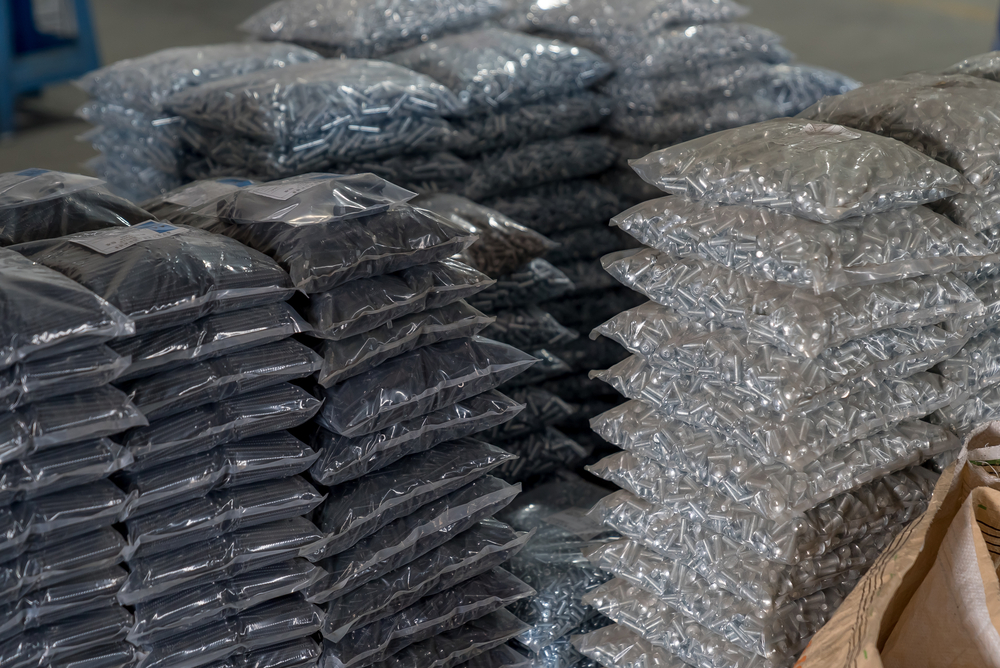
Packaging can seem like a secondary concern in busy manufacturing environments. However, packaging is essential to preserve the integrity of metal components during storage or transit. Volatile corrosion inhibitor (VCI) bags, in particular, play a critical role in ensuring that metals arrive at their next destination in pristine condition. They can be an invaluable asset for businesses that need to deliver products that meet exact specifications.
Preventing the Impact of Corrosion on Components
Corrosion is the process in which a metal is destroyed by a chemical reaction. The most common example of corrosion is the oxidation of iron in the presence of water and oxygen, otherwise known as rust. Most people know that rust will occur when iron comes in contact with liquid water, but it can also occur from contact with moisture in the air.
In industrial and manufacturing environments, corrosion can lead to weakened structures, compromised products, and financial losses. When metal components are exposed to moisture, oxygen, or other corrosive substances during storage or transportation, they can quickly develop rust. This not only affects the appearance of the metal but can also impair its functionality, potentially rendering it useless for its intended application. Preventing corrosion is not just about protecting the metal—it’s about ensuring the reliability and longevity of the entire manufacturing process.
Other impacts of corrosion include:
Increased maintenance costs
Production delays
Reputational damage if products do not meet quality standards
What Are VCI Bags?
VCI bags are specialized packaging materials designed to protect metal components from corrosion. These bags are infused with volatile corrosion inhibitors (VCIs), which are chemicals that release protective vapors. When metal parts are placed inside a VCI bag, the inhibitors are gradually released, creating a protective barrier on the surface of the metal. This barrier helps prevent the metal from reacting with moisture, oxygen, and other corrosive elements that could cause rust or other forms of degradation.
VCI poly bags come in various sizes and forms, making them versatile enough to accommodate a wide range of metal products, from small components to large machinery. They are widely used across industries where metal parts often need to be stored or shipped over long distances.
How Do VCI Bags Work?
When a metal component is placed inside a VCI bag, the volatile corrosion inhibitors begin to vaporize and fill the enclosed space. These vapors then condense on the surface of the metal, forming an invisible protective layer. This layer acts as a barrier between the metal and any corrosive substances that might be present, such as moisture.
Unlike traditional packaging materials that might simply keep the metal dry or protected from physical damage, VCI bags actively work to prevent the chemical reactions that cause corrosion. This unique approach is what makes VCI bags so effective at preserving metal components in a variety of environmental conditions. At A-Pac Manufacturing, we ensure the highest-quality VCI bags by carefully verifying the proper additive amounts with every run.
Do VCI Bags Leave Behind Residue?
One common concern with traditional VCI bags is the potential for residue left behind on the metal parts. VCI poly bags are coated with anti-corrosive compounds on the inside and outside, which can sometimes leave a noticeable residue on the metal surface. This can be undesirable for certain applications where a clean, residue-free finish is required.
At A-Pac Manufacturing, we address this concern by integrating the volatile corrosion inhibitors directly into the molten polyethylene used to fabricate our VCI poly bags. This innovative process ensures that the anti-corrosive action of our bags is achieved through vapor, not a physical coating. As a result, our customers never have to worry about residue on their metal components. The bags provide the same level of protection without leaving any visible traces behind.
Please note that A-Pac Manufacturing does not make any claims as to the effectiveness of our VCI poly bags. While we do guarantee that the volatile corrosion inhibitors are added to the bags and in the correct amounts, it is up to purchasers to verify that the bags work in their specific environments for their intended purposes.
Do VCI Bags Have an Odor?
Some VCI bags can have an odor from the inhibitors embedded in the packaging material. The odor is generally harmless. The intensity of the odor can vary depending on the specific formulation of the VCI used, the manufacturer, and the materials used in the bag. In many cases, the odor is faint and dissipates once the bag is opened and the metal components are removed. Fortunately, A-Pac Manufacturing uses a formulation and production method that eliminates the odor while still providing effective corrosion protection.
When Are VCI Bags Used?
VCI bags are incredibly versatile and can be used in a wide range of applications. Some of the most common uses include:
Automotive Industry: Protecting engine parts, gears, and other metal components during storage or shipment.
Aerospace Industry: Ensuring that critical metal parts remain free from corrosion while in transit or storage.
Electronics Manufacturing: Safeguarding metal connectors, circuit boards, and other sensitive components from corrosion.
Heavy Machinery: Preserving the integrity of large metal parts and machinery components that are stored for extended periods.
Marine Industry: Protecting metal parts from saltwater corrosion during shipping or storage.
Whether it’s small parts that need to be kept corrosion-free during assembly or large machinery that must be stored for months, VCI bags offer a reliable solution for protecting metal from environmental damage.
How Do VCI Bags Compare to Other Packaging Options?
When it comes to protecting metal components from corrosion, VCI poly bags offer several advantages over other packaging options.
Mess-free Protection
Traditional methods, such as applying oils or greases to metal parts, can be messy, labor-intensive, and may require cleaning before the part can be used. Additionally, these methods do not provide the same level of protection against all types of corrosive agents. On the other hand, VCI bags offer a clean, efficient, and highly effective way to prevent corrosion. They eliminate the need for messy coatings and can be used without additional preparation.
Long-term Usage
VCI bags also provide continuous protection for as long as the metal remains sealed inside, making them an ideal choice for long-term storage or extended shipping times. Traditional methods like oils, greases, or coatings require reapplication over time and may degrade or lose effectiveness, especially in challenging environments.
Simple Packaging
While other options like desiccant packs or vacuum sealing can also help reduce the risk of corrosion, they often require more complex packaging processes and still may not offer the same level of protection as VCI bags. VCI bags are simple to use, require no special equipment, and provide comprehensive protection against a wide range of corrosive elements.
Prevent Corrosion on Your Components with VCI Bags
If you’re looking for a reliable solution to protect your metal components from corrosion, VCI bags from A-Pac Manufacturing offer an effective and residue-free option. If you’re a purchaser in automotive, electronics, or any other industries that rely on metal components, our VCI bags can help ensure that your products arrive in pristine condition. Contact the A-Pac Manufacturing team to request a quote for any quantity you need.
Choosing the right packaging material is crucial for ensuring product safety, maintaining quality, and minimizing environmental impact. Two of the most commonly used materials in the packaging industry are cellophane and polyethylene.
Each of these materials has unique properties that make them suitable for different applications. Understanding their differences can help businesses decide which material to use for their specific needs.
We’re highlighting the key differences between cellophane and polyethylene and exploring their composition, durability, cost, and environmental impact. Our goal is to help you understand why polyethylene might be the best choice for your packaging needs.
What is Cellophane?
Cellophane is a thin, transparent film made from regenerated cellulose. It’s created by dissolving natural cellulose, typically derived from wood or cotton, in an alkali and carbon disulfide solution to produce viscose. The viscose is then extruded through a slit into an acid bath, which reconverts it into cellulose, forming a clear, flexible film. The film is then washed, bleached, and plasticized to enhance its properties.
Common Uses of Cellophane:
Food Packaging: Cellophane is often used to wrap candies, baked goods, and other food items due to its ability to protect against moisture and air.
Gift Wrapping: Its clear and glossy appearance makes cellophane an attractive option for wrapping gift baskets and other presents.
Labels and Stickers: Cellophane is used for pressure-sensitive tapes and labels, providing a clear and durable surface.
Flower Wrapping: Florists frequently use cellophane to wrap bouquets, as it enhances the visual appeal while providing a protective layer.
Cosmetic Packaging: Many cosmetic products are packaged in cellophane to preserve freshness and prevent contamination.
What is Polyethylene?
Polyethylene is a synthetic polymer made from the polymerization of ethylene, a petroleum byproduct. It is one of the most widely produced plastics globally, known for its versatility, durability, and cost-effectiveness. Polyethylene is composed of long chains of carbon atoms with hydrogen atoms attached, making it a strong and flexible material.
Low-Density Polyethylene (LDPE): LDPE is characterized by its low density and high flexibility. It has a more branched molecular structure, which makes it softer and more pliable.
High-Density Polyethylene (HDPE): Compared to LDPE, HDPE has a higher density and a more linear molecular structure, making it stronger and more rigid.
Common Uses of Polyethylene:
Plastic Bags: LDPE is commonly used in the production of plastic bags, including grocery bags and produce bags.
Plastic Wrap: LDPE’s flexibility and clarity make it ideal for food packaging and plastic wrap.
Squeeze Bottles: LDPE is used to manufacture squeeze bottles due to its flexibility and chemical resistance.
Toys: The softness and safety of LDPE make it suitable for various children’s toys.
Containers: HDPE is used to make sturdy containers such as milk jugs, detergent bottles, and juice containers.
Pipes: Its strength and durability make it suitable for manufacturing water, gas, and sewage pipes.
Plastic Lumber: HDPE is used to produce plastic lumber, which is used in outdoor furniture, decking, and fencing.
Recycling Bins: Due to its rigidity and resistance to impact, HDPE is commonly used for recycling bins and other heavy-duty containers.
What Are the Key Differences Between Cellophane vs. Polyethylene?
Understanding the key differences between cellophane and polyethylene is crucial in determining which material suits your packaging needs.
Material Composition:
Cellophane: Cellophane is derived from cellulose, a natural polymer obtained from wood or cotton. The cellulose is processed through chemical treatments to produce a transparent film.
Polyethylene: Polyethylene is a synthetic polymer made from petrochemicals. It’s produced by polymerizing ethylene, a hydrocarbon derived from petroleum or natural gas.
Durability and Strength:
Cellophane: Cellophane is more brittle and less durable compared to polyethylene. While it offers good transparency and barrier properties against air and oils, it can tear or puncture more easily.
Polyethylene: Polyethylene is known for its flexibility, durability, and puncture resistance. It can withstand significant stress and is less likely to tear or break under pressure, making it ideal for various applications.
Cost and Production:
Cellophane: Cellophane production is generally more expensive and complex. The process involves several chemical treatments and washing stages, which can add to the overall cost. Additionally, the raw materials used in cellophane production are often more costly.
Polyethylene: Polyethylene is cost-effective and easier to produce at scale. The polymerization process used to create polyethylene is relatively straightforward and efficient, allowing large quantities to be manufactured at a lower cost.
Why Choose Polyethylene for Your Packaging Needs
Polyethylene’s versatility, cost-effectiveness, durability, and environmental advancements make it an excellent choice for many packaging needs!
Polyethylene is one of the most versatile packaging materials available.
Polyethylene can be used in a wide range of applications, from industrial to household. Whether it’s for creating durable plastic bags, robust containers, or protective films, polyethylene’s adaptability makes it suitable for various products and industries.
Polyethylene can be very cost-effective.
Polyethylene’s production process is relatively simple and efficient, allowing for large-scale production at a lower cost compared to other materials. This affordability makes polyethylene an excellent choice for businesses looking to manage costs without compromising on quality.
Polyethylene stands out for its superior strength and flexibility.
Unlike cellophane, which can be brittle and prone to tearing, polyethylene is robust and resistant to punctures. This durability ensures that products packaged in polyethylene are well-protected during transportation and storage.
Polyethylene has made significant strides in terms of environmental sustainability.
Advances in recycling technology have made it possible to recycle polyethylene products effectively, reducing their environmental impact. Plus, here at A-Pac Manufacturing, we’ve created a more sustainable poly bag option. Our clients can order the same reliable, versatile custom poly bags with up to 20% plant-based material.
Why Polyethylene from A-Pac Manufacturing is the Best Choice for Your Packaging Needs
In summary, polyethylene stands out as a superior choice for various packaging needs due to its exceptional versatility, cost-effectiveness, durability, and advancements in environmental sustainability. Unlike cellophane, polyethylene offers robust protection, making it ideal for a wide range of applications, from industrial use to everyday household items.
At A-Pac Manufacturing, we specialize in creating top-of-the-line poly bags and packaging solutions. We love working with small businesses and are known for our fast turnaround times.
Contact our team today for more information or to place an order for poly bags. We are ready to assist you in finding the perfect polyethylene packaging solutions tailored to your business needs.
Recycling is becoming increasingly important to both consumers and businesses alike. As we strive to protect our environment and conserve resources, polyethylene recycling stands out as a crucial process.
Here at A-Pac Manufacturing, we’re dedicated to sustainability and have implemented robust recycling practices to make a positive impact.
Let’s explore the ins and outs of polyethylene recycling, its benefits and challenges, and how we’re doing our part to implement recycling initiatives.
LDPE is a soft, flexible plastic commonly used in products like plastic bags, film wraps, and squeeze bottles.
Recycling Process: LDPE recycling involves collecting plastic, cleaning it to remove contaminants, shredding it into smaller pieces, and then melting and reforming it into new products.
High-Density Polyethylene (HDPE):
HDPE is a tougher, more rigid plastic used in items such as milk jugs, detergent bottles, and plastic piping.
Recycling Process: The recycling of HDPE follows a similar process to LDPE, involving collection, cleaning, shredding, and remelting the plastic to create new, durable products.
Construction materials, including plastic lumber and piping
Household items like containers and bins
What are the Pros of Polyethylene Recycling?
Polyethylene recycling offers numerous benefits that positively impact the environment, economy, and natural resources. Here are some of the key advantages:
Environmental Benefits
Reduces landfill waste: Recycling polyethylene helps divert significant amounts of plastic waste from landfills, reducing environmental pollution and the burden on waste management systems.
Lowers carbon footprint: Recycling plastic consumes less energy than producing new plastic from raw materials, resulting in lower greenhouse gas emissions and a reduced carbon footprint.
Economic Benefits
Cost savings on raw materials: Using recycled polyethylene as a raw material reduces the need for new plastic, leading to substantial cost savings for manufacturers.
Creates jobs in the recycling industry: The recycling process generates employment opportunities in various sectors, from collection and sorting to processing and manufacturing.
Resource Conservation
Conserves natural resources: Recycling polyethylene helps preserve valuable natural resources, such as petroleum, which is used to produce new plastic. This reduces the demand for fossil fuels and supports more sustainable resource management.
Are There Any Cons of Polyethylene Recycling?
Polyethylene recycling offers many benefits, but it also comes with some challenges. However, the benefits of environmental, economic, and resource conservation far outweigh these concerns. So, don’t be deterred from recycling and using recycled plastic products—by investing in recycling and supporting the use of recycled plastic products, we can all contribute to a more sustainable future.
Challenges in Collection and Sorting
Difficulty in collecting and sorting plastics: One of the primary challenges is efficiently collecting and sorting different types of polyethylene. However, technological advancements and increased public awareness are helping to improve collection and sorting methods.
Quality Issues
Potential degradation in material quality: Recycled polyethylene can experience some degradation in quality after multiple recycling cycles, which may affect the durability and performance of the final products. Despite this, ongoing research and innovations in recycling techniques are constantly enhancing the quality of recycled materials.
Energy Consumption
Energy-intensive processes: Recycling plastic involves energy-intensive processes, which can be a concern. Nevertheless, the energy required for recycling is still significantly lower than that needed to produce new plastic from raw materials.
A-Pac Manufacturing’s Role in Polyethylene Recycling
At A-Pac Manufacturing, we understand the critical importance of polyethylene recycling. We’re committed to doing everything we can to contribute to environmental sustainability and implement recycling programs, create innovative products, and engage with our community.
Recycling Programs
We’ve established recycling initiatives designed to reduce plastic waste and promote sustainability. We actively help individuals and local businesses recycle their plastic by allowing them to bring their “scrap” to us.
We ensure that these materials are properly processed so they can be used to manufacture products, such as chairs and other practical items, preventing them from ending up in landfills.
Community Engagement
A-Pac Manufacturing is deeply committed to fostering a culture of sustainability within our community. Through our recycling program, we aim to raise awareness about the importance of sustainable practices and how they contribute to environmental conservation.
Innovative Products
Utilizing NuPlastiQ® technology, our poly bags incorporate up to 20% plant-based materials, providing a greener alternative to traditional plastic bags without compromising strength, durability, or versatility.
Our sustainable poly bags are designed to be environmentally friendly and practical. They offer benefits such as reduced reliance on fossil fuels, increased likelihood of biodegradation, and compatibility with recycling systems. Despite being more eco-friendly, these bags maintain the same functionality as traditional plastics, offering a lightweight, cost-effective solution that is customizable in various styles, colors, and branding options.
Join the Green Movement: Partner with A-Pac Manufacturing for a More Sustainable Future
We invite you to participate in our recycling programs and help us make a positive impact on the environment. Partner with A-Pac Manufacturing for your poly bag needs and discover how our sustainable solutions can benefit your business and the planet.
Together, we can create a greener, more sustainable future. Contact A-Pac Manufacturing today to learn more about our sustainable poly bag offerings and how you can get involved in our recycling initiatives.
Here’s the Inside Scoop on A-Pac’s Eco-Friendly Plastic Bags
Plastic bags have long been a staple for consumers and businesses alike, offering convenience for shopping and packaging. However, the environmental impact of traditional plastic bags has raised significant concerns, leading to a growing demand for alternatives that are kinder to our planet. That’s where we come in!
At A-Pac Manufacturing, we’re making huge strides and producing high-quality recycled poly bags. These aren’t your ordinary plastic bags — they’re made up of up to 20% plant-based materials, making them a greener, more sustainable option for businesses looking to minimize their ecological footprint without sacrificing quality and functionality.
Want to learn more about our eco-friendly plastic bags? Just keep reading!
Understanding the Need for Eco-Friendly Plastic Bags
The demand for sustainable packaging solutions is more pronounced than ever across various industries—from food and beverage to retail and beyond. As consumers become more environmentally conscious, their preferences significantly influence which companies they support.
There is a growing awareness of the environmental impact of waste, particularly non-recyclable materials that contribute to landfill growth and pollution. Packaging solutions that reduce reliance on finite resources, like fossil fuels, and increase the use of renewable materials are increasingly seen as not just preferable, but essential.
Moreover, regulatory pressures are also steering companies towards greener alternatives. Many regions around the world are implementing stricter regulations on waste management and recycling, compelling businesses to adopt sustainable practices.
Introducing: A-Pac’s More Sustainable Poly Bags
In a significant stride towards more sustainable packaging solutions, A-Pac Manufacturing is proud of its line of more sustainable poly bags. These poly bags are designed with the future in mind, incorporating up to 20% plant-based materials. This innovative approach reduces the dependency on traditional petroleum-based plastics while enhancing the products’ environmental credentials.
Discover the Role of NuPlastiQ® Technology
NuPlastiQ® is a groundbreaking bio-based polymer that is reshaping the landscape of sustainable packaging. It’s derived from natural, renewable resources and can be combined with conventional plastic materials such as polyethylene or polypropylene. This combination not only maintains the durability and flexibility of conventional plastics but also imbues them with enhanced environmental attributes.
One of the standout features of NuPlastiQ® technology is its ability to accelerate the biodegradation process. When products made with NuPlastiQ® are disposed of in biologically active environments (like landfills or commercial composting facilities), they interact with naturally occurring microorganisms. These microorganisms break down the plant-based components of the polymer, significantly reducing the time it takes for the bags to decompose compared to traditional plastics.
Another crucial advantage of NuPlastiQ® technology is its reduction in reliance on fossil fuels. Since NuPlastiQ® is plant-based, its production requires less petroleum than traditional plastics. This not only helps conserve non-renewable resources but also reduces the overall carbon footprint associated with poly bags.
5 Benefits of Opting for A-Pac’s Eco-Friendly Poly Bags
Choosing A-Pac Manufacturing’s eco-friendly poly bags provides many advantages that support environmental goals and offer practical advantages for businesses.
1. Less Reliance on Fossil Fuels
A-Pac’s sustainable poly bags incorporate up to 20% plant-based materials, reducing the dependence on non-renewable fossil fuels typically used in traditional plastic production. This shift helps decrease the overall environmental impact and supports a more sustainable resource cycle.
2. Increased Biodegradability
Thanks to the integration of NuPlastiQ® technology, these poly bags are designed to be more biodegradable. When exposed to biologically active environments, the plant-based components of the bags can be broken down by microorganisms, significantly helping reduce the accumulation of plastic waste in the environment.
3. Compatibility with Recycling Systems
A-Pac’s eco-friendly poly bags are designed to be compatible with existing recycling systems. This compatibility ensures that the bags can be effectively recycled within closed-loop systems, further minimizing their environmental footprint and promoting circular economy practices.
4. Cost-Effectiveness Compared to Other Eco-Friendly Alternatives
While eco-friendly packaging options are often perceived as more expensive, A-Pac’s sustainable poly bags are competitively priced. They provide an affordable alternative to other eco-friendly packaging solutions without compromising on quality or performance, making them an accessible choice for businesses of all sizes.
5. Versatility in Customization Options
A-Pac Manufacturing recognizes that branding and customization are crucial for businesses. Their eco-friendly poly bags are available in various styles, colors, and branding options, allowing companies to tailor their packaging to align with brand identity and marketing strategies. With us, businesses do not have to compromise on aesthetics when choosing sustainable packaging options.
Are You Ready To Embrace Sustainability With A-Pac Manufacturing?
Here at A-Pac Manufacturing, we’re committed to innovative and environmentally friendly solutions. We put our customers first, and each of our poly bags is crafted as a custom project, meticulously designed to meet every business’s unique needs and specifications.
The A-Pac team is dedicated to assisting customers in making the transition to eco-friendly packaging as smooth and beneficial as possible. By choosing A-Pac for your packaging needs, you’re not only opting for a superior product, but also contributing to a more sustainable future.
Consider A-Pac’s eco-friendly poly bags for your next packaging requirement and join a growing community of businesses making a positive impact on our planet.