In industrial packaging, flexibility, durability, and efficiency aren’t optional — they’re essential. Whether you’re bundling parts, protecting long products, or preparing items for storage and shipment, your packaging solution needs to adapt to the job.
That’s where polyethylene tubing stands out.
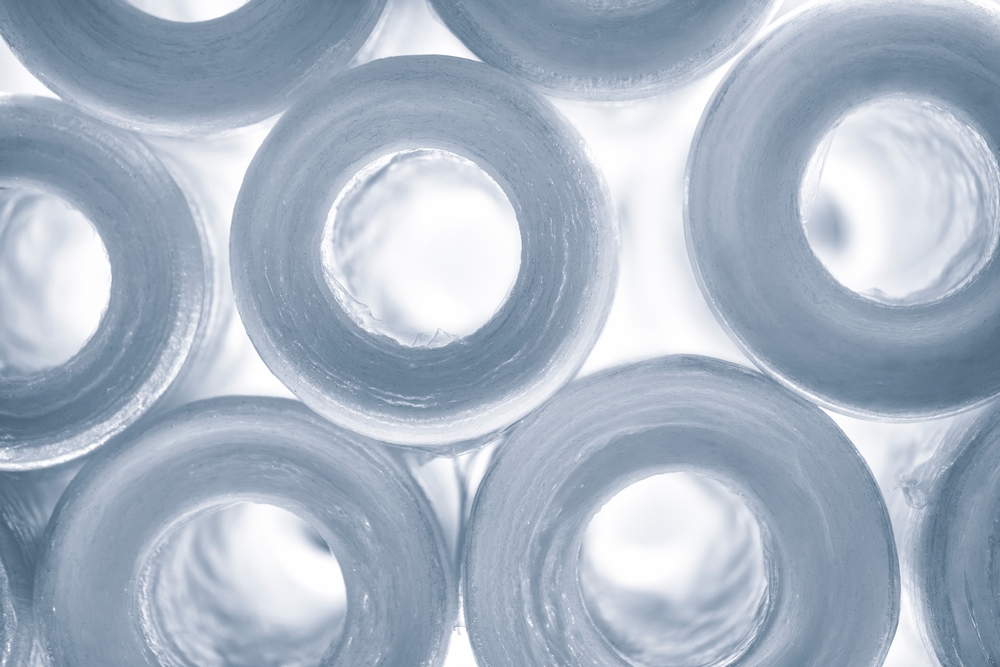
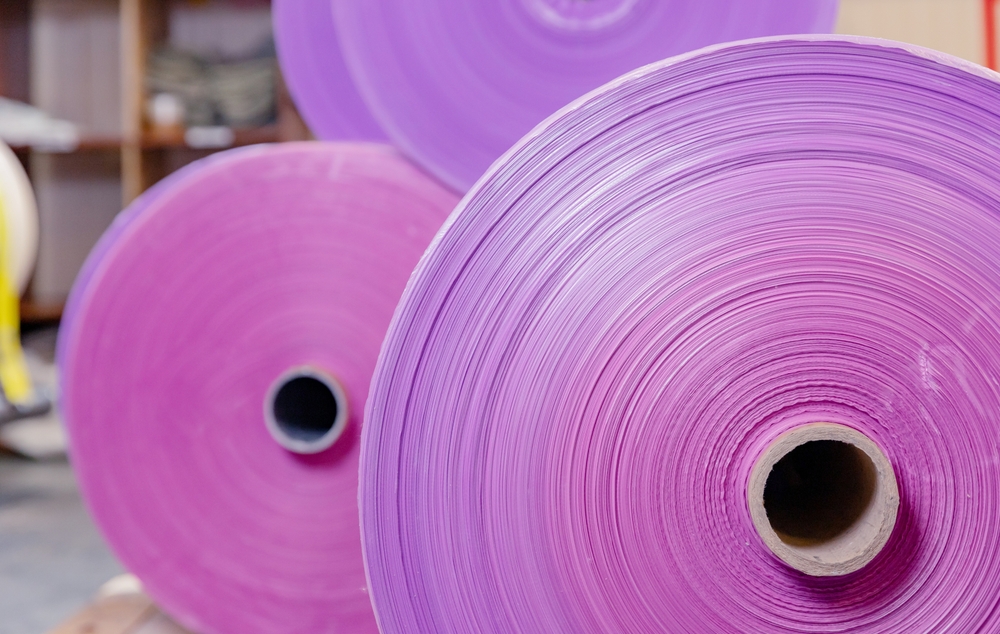
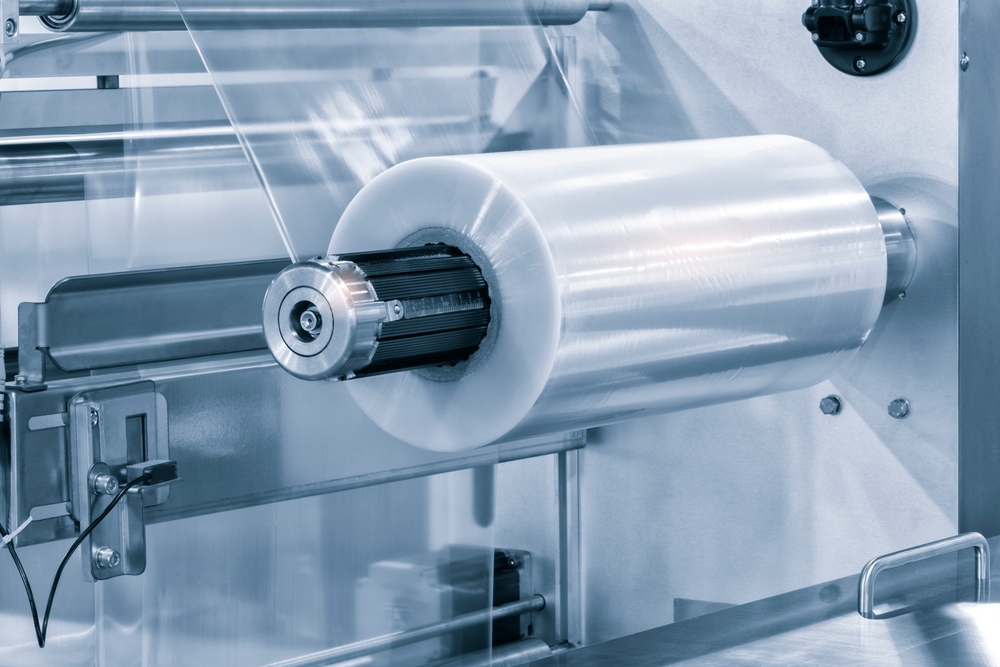
Polyethylene tubing is a versatile, flexible plastic film supplied on a roll in a continuous tube format. It allows businesses to cut packaging to the exact length needed, making it one of the most customizable and cost-effective solutions available for commercial and industrial applications.
In this article, we’ll explore:
What polyethylene tubing is
Is polyethylene tubing flexible?
The key benefits of polyethylene tubing
Customization options available
Common industrial applications
Let’s start with the basics.
What Is Polyethylene Tubing?
Polyethylene tubing is a continuous roll of plastic film formed into a seamless tube. Unlike pre-made bags, tubing allows you to create custom-sized packaging on demand. Simply cut the tubing to your desired length and seal one or both ends to create a perfectly sized bag or protective sleeve.
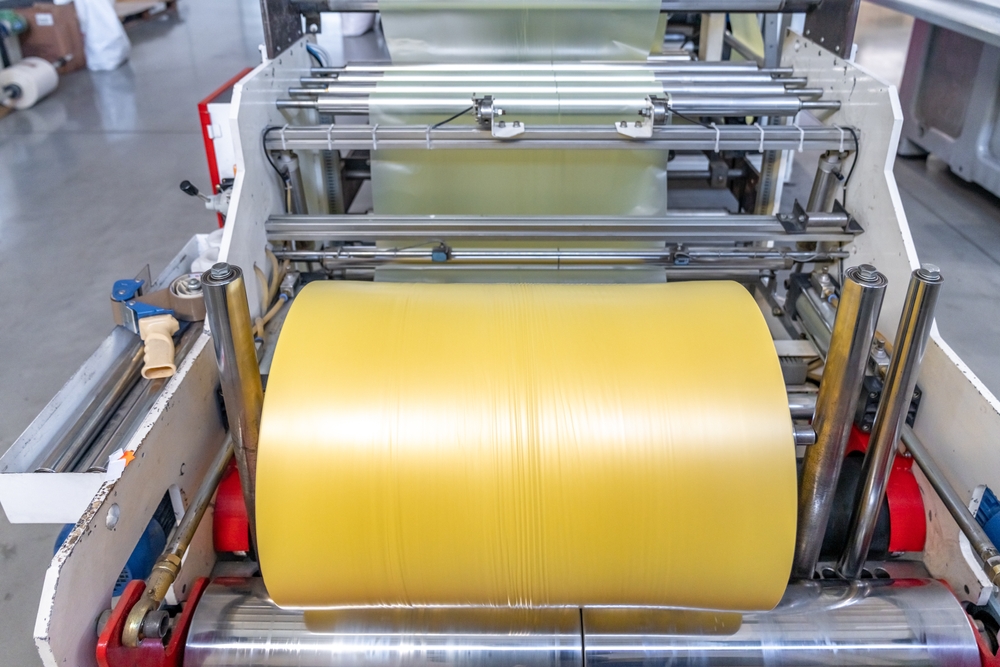
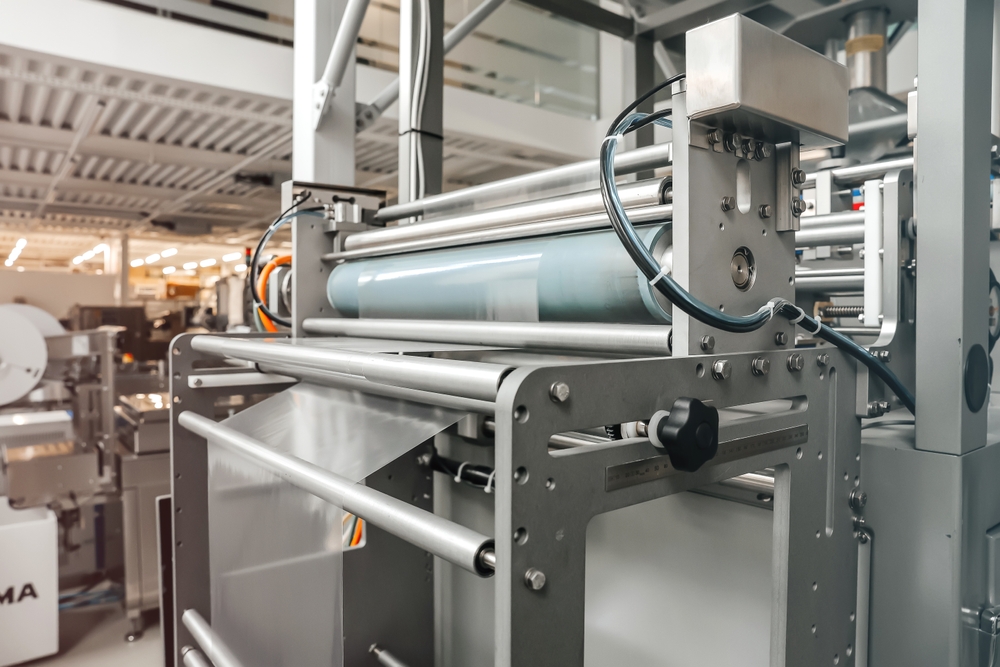
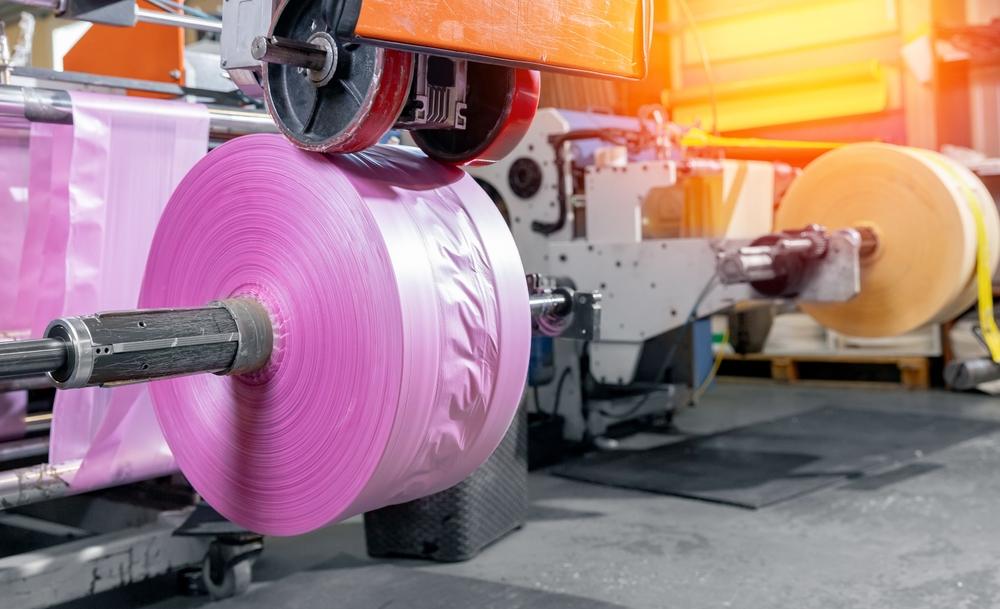
At A-Pac Manufacturing, polyethylene tubing is produced using the blown-film extrusion process, which creates a uniform, durable tube of film with consistent thickness and strength throughout the roll. This manufacturing method ensures reliable performance in demanding industrial environments.
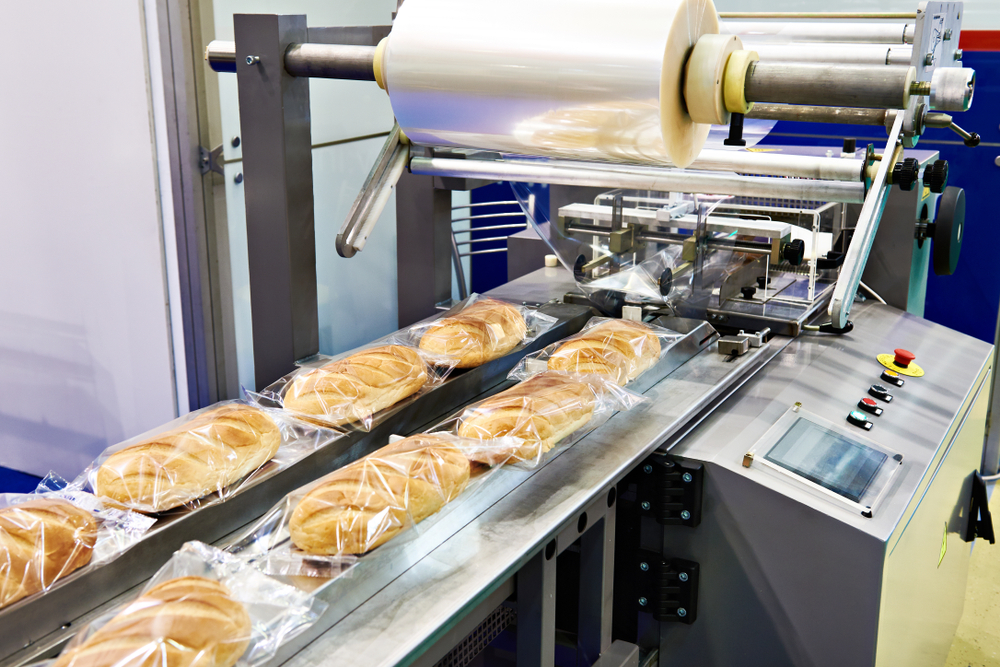
Because it’s supplied on a roll, polyethylene tubing offers unmatched flexibility in packaging operations. Instead of stocking multiple bag sizes, facilities can keep one roll on hand and create packaging that fits a variety of product lengths — reducing waste, saving storage space, and simplifying inventory management.
Is Polyethylene Tubing Flexible?
Yes — polyethylene tubing is highly flexible.
Its flexibility allows it to conform to products of different shapes and sizes while still providing dependable strength and protection. This makes it ideal for:
Irregularly shaped parts
Long or oversized components
Bundled materials
Products requiring protective sleeves
In addition to physical flexibility, polyethylene tubing offers operational flexibility. It can be used with heat sealers, impulse sealers, and automated packaging equipment, making it adaptable for both manual and high-volume production environments.
This combination of material flexibility and operational versatility is one of the primary reasons polyethylene tubing remains a preferred packaging solution across industries.
5 Key Benefits of Polyethylene Tubing
Polyethylene tubing delivers measurable advantages for industrial packaging operations. From cost savings to durability, here’s why manufacturers and distributors rely on this solution.
1. Cost-Effective Packaging
One of the biggest advantages of polyethylene tubing is its cost efficiency.
Because it’s supplied on a roll, you only use the material you need. Instead of ordering multiple pre-made bag sizes, you can cut tubing to the exact length required for each product. This helps:
Reduce material waste
Minimize excess packaging
Lower inventory costs
Free up storage space
For operations managing a wide range of product sizes, this flexibility translates directly into cost savings.
2. Durable and Reliable Protection
Industrial environments demand packaging that performs.
Polyethylene tubing offers strong seal integrity and dependable puncture resistance, helping protect parts and products during storage, handling, and transportation. When properly sealed, it provides secure containment that reduces the risk of product damage or contamination.
3. Wide Range of Sizes and Thicknesses
Every application is different, and polyethylene tubing is designed to accommodate that.
Tubing is available in multiple widths and thicknesses to match the weight, size, and protection requirements of your products. Whether you need lightweight film for simple parts packing or heavier-gauge material for more demanding applications, polyethylene tubing can be tailored to fit your operation.
4. Customization Options
Polyethylene tubing is available in:
Gusseted tubing for expanded capacity
Non-gusseted tubing for standard applications
Gussets allow the tubing to expand and accommodate bulkier items, while non-gusseted options provide a clean, streamlined fit for narrower products.
For customers in the food industry, this certification provides confidence that your packaging supplier meets the highest global food safety standards.
5. Versatility Across Industries
From manufacturing floors to distribution centers, polyethylene tubing supports a wide variety of industrial uses. Its adaptability makes it suitable for:
Parts packing
Protective sleeves
General packaging
Industrial storage
Few packaging materials offer this level of flexibility while maintaining cost control and durability.
Customization & Manufacturing Process of Polyethylene Tubing
Not all polyethylene tubing is created equal. Performance starts at the manufacturing level, and at A-Pac Manufacturing, quality is built into every step of the process.
Blown-Film Extrusion for Consistent Performance
We produce polyethylene tubing using the blown-film extrusion process, which forms a continuous, seamless tube of film. This method allows for precise control over:
Film thickness
Strength and durability
Uniformity across the roll
Seal performance
The result is a consistent, high-quality product that performs reliably in industrial environments.
Gusseted and Non-Gusseted Options
A-Pac offers both gusseted and non-gusseted polyethylene tubing, allowing you to choose the configuration that best fits your application.
Non-gusseted tubing provides a standard, flat tube ideal for uniform or narrow products.
Gusseted tubing expands to accommodate bulkier, wider, or irregularly shaped items.
This adaptability ensures your packaging conforms to your product — not the other way around.
Range of Widths and Thicknesses
Different products require different levels of protection. That’s why we offer polyethylene tubing in a wide range of:
Widths
Film gauges (thicknesses)
Heavier gauges provide increased strength and puncture resistance, while lighter gauges offer an economical solution for less demanding applications.
FSSC 22000 provides a comprehensive framework for managing food safety and quality across the supply chain. Whether you’re packaging raw ingredients, frozen foods, or ready-to-eat items, certified poly packaging solutions support both safety and performance.
Practical Applications of Polyethylene Tubing
The true value of polyethylene tubing lies in its versatility. Because it can be cut, sealed, and sized as needed, it adapts easily to a wide range of industrial and commercial packaging environments.
Here are some of the most common applications:
Parts Packing
Manufacturers frequently use polyethylene tubing for packaging small to mid-sized components. Instead of stocking multiple bag sizes, teams can cut tubing to the precise length required for each part.
This is especially useful for:
Hardware and fasteners
Machined components
Automotive parts
Assembly kits
The result is streamlined packaging operations and reduced material waste.
Protective Sleeves
Polyethylene tubing is ideal for creating protective sleeves for long or narrow products.
The following items can be easily slipped into cut-to-length film to protect against dust, moisture, and surface damage during storage or shipment:
Metal rods
Extrusions
Moldings
Tools
Pipes or tubing
Industrial Packaging
For general industrial packaging needs, polyethylene tubing provides flexible protection that can be scaled to match product size.
It works well for:
Bundled materials
Irregularly shaped products
Oversized items
Short-term or long-term storage
Because the tubing conforms to the product and can be sealed securely, it helps maintain cleanliness and organization throughout the supply chain.
Food & Regulated Applications
With packaging manufactured under our FSSC 22000-certified food safety management system, polyethylene tubing can support food applications requiring strict quality control and traceability.
This makes it a practical solution for operations that need both performance and documented food safety compliance.
Why Choose A-Pac Manufacturing for Polyethylene Tubing?
When it comes to industrial packaging, material performance matters — but so does the partner behind it.
At A-Pac Manufacturing, we combine advanced blown-film extrusion capabilities with strict quality control to deliver polyethylene tubing that performs consistently in real-world conditions. From seal integrity to film strength, every roll is manufactured with durability and reliability in mind.
Our customers rely on us for:
A wide range of widths and thicknesses
Gusseted and non-gusseted options
FDA-approved materials when required
Consistent quality and dependable supply
Custom solutions tailored to specific applications
We understand that packaging isn’t one-size-fits-all. That’s why we work closely with manufacturers, distributors, and industrial operations to ensure the tubing you receive aligns with your product requirements, equipment setup, and performance expectations.
Get the Right Polyethylene Tubing for Your Operation
Polyethylene tubing offers a powerful combination of flexibility, durability, and cost-efficiency — making it one of the most practical industrial packaging solutions available.
Whether you’re looking to streamline parts packing, create protective sleeves, or reduce packaging waste, A-Pac Manufacturing can help you identify the right specifications for your application.
Request a quote today to learn how our polyethylene tubing solutions can support your operation.
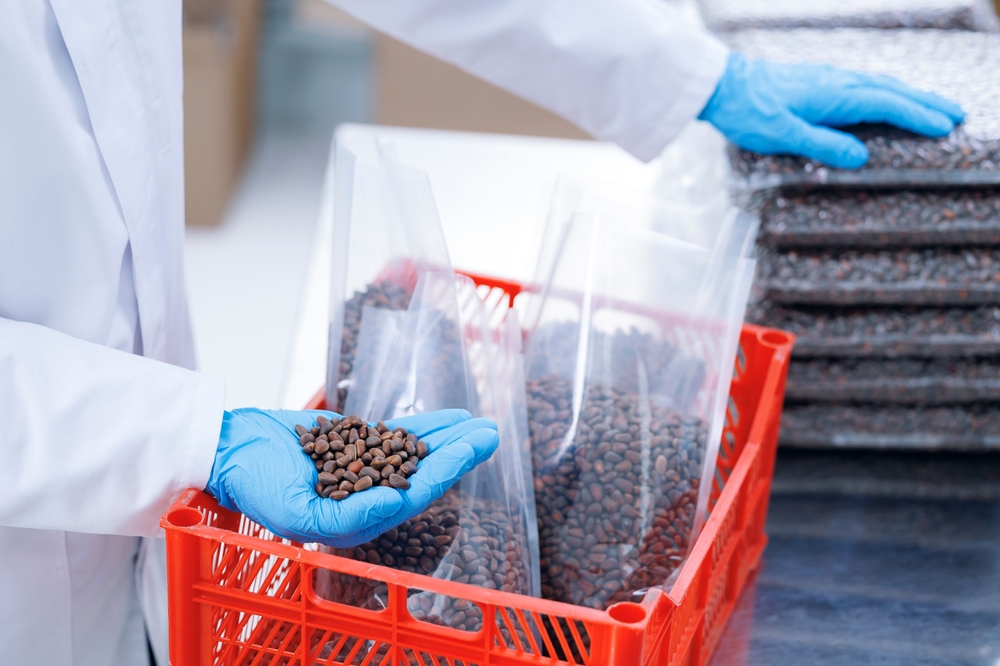
If you sell food, you know that packaging isn’t just a container—it’s a core part of product quality. The right flexible food packaging helps preserve freshness, extend shelf life, reduce waste, and protect your brand at every point in the supply chain.
Behind that performance is one essential material: polymers.
Advanced polymers act as powerful barriers against moisture, oxygen, and contaminants. These polymer structures are engineered to seal in flavor, maintain texture, prevent spoilage, and keep products safe throughout storage and transport.
That’s why polymers are the foundation of modern flexible packaging—they deliver the protective performance food products need to stay fresher for longer.
In this article, we break down the science behind polymer flexible packaging—what it is, how it works, and why today’s food manufacturers rely on advanced polymer structures to balance protection, efficiency, and sustainability.
What Is Flexible Food Packaging?
Flexible food packaging refers to film-based materials that bend, fold, or conform to the product they protect.
Unlike rigid packaging—such as cans, jars, or hard plastics—flexible packaging is lightweight, adaptable, and engineered to deliver targeted barrier performance without unnecessary bulk.
Common formats of flexible food packaging include:
Poly bags
Roll stock and sheeting
Food pouches
Liners
Vacuum bags
Multi-layer barrier films
Manufacturers choose flexible packaging because it:
Protects food from moisture, oxygen, and contaminants
Reduces material consumption compared to rigid containers
Minimizes shipping weight and storage space
Works efficiently on modern filling and sealing equipment
Provides strong seals and durability through distribution
In short, flexible food packaging offers high performance with greater efficiency.
Why Do Polymers Lead the Way in Food Packaging?
Polymers dominate food packaging because their molecular structure allows them to be lightweight, formable, and highly protective. Plus, they’re far more versatile and efficient than alternatives like paper, foil, or rigid plastics.
What Are Polymers?
Polymers are long chains of repeating molecules that determine a material’s strength, clarity, flexibility, and barrier performance. By controlling how these chains are arranged, manufacturers can create films specifically engineered for moisture resistance, oxygen control, puncture strength, and seal performance.
Common Polymer Types in Food Packaging:
While formulations vary, most flexible food packaging is built from the following:
LDPE (Low-Density Polyethylene) — soft, flexible, great clarity
LLDPE (Linear Low-Density Polyethylene) — high puncture resistance
HDPE (High-Density Polyethylene) — excellent moisture barrier, stronger and stiffer
Nylon — toughness for heavy or sharp-edged products
EVOH — exceptional oxygen-barrier performance
Why Polymers Work So Well for Food Packaging:
Food manufacturers rely on polymer-based films because they offer:
Lightweight strength — protection without bulk
Excellent sealability — supports freshness and food safety
Customizable barrier properties — moisture, oxygen, odor, and contaminant control
Reliable performance — consistent results at high production speeds
Cost efficiency — reduced material and lower shipping weight
These advantages give polymer packaging a unique ability to balance protection, efficiency, and sustainability, which are key priorities for modern food operations.
Why Food Manufacturers Rely on Flexible Polymer Packaging
Across the industry, polymer-based flexible packaging delivers the performance and efficiency food producers need:
Extended shelf life
Superior product protection
Lower material and shipping costs
Reduced waste
Consistent quality on high-speed lines
Customization for any food product
These advantages are why polymer flexible packaging remains the go-to choice for brands focused on safety, freshness, and operational efficiency.
FAQ: Quick Answers About Polymer Food Packaging
Q. What is flexible food packaging made of?
A. Primarily polyethylene (LDPE, LLDPE, HDPE), polypropylene, nylon, and high-barrier polymers like EVOH.
Q. Why are polymers used for food packaging?
A. They provide lightweight strength, excellent barrier protection, and dependable sealing performance.
3 Major Science-Backed Benefits of Polymer Packaging
Polymer performance comes down to chemistry. The length and structure of molecular chains determine how a film behaves, including its strength, flexibility, clarity, and resistance to gases and moisture.
1. Barrier Protection: The Key to Freshness
The primary job of flexible food packaging is to protect freshness. Polymer film structures do this through three critical barrier functions: moisture control, oxygen resistance, and contaminant protection.
Moisture Control – Moisture can ruin texture, encourage spoilage, or dry out products.
For baked goods — packaging must lock moisture in.
For snacks — packaging must keep moisture out.
For produce — films often balance breathability and protection.
Oxygen Resistance – Exposure to oxygen leads to rancidity, discoloration, mold growth, and flavor degradation.
High-barrier materials, such as EVOH (ethylene-vinyl alcohol copolymer), dramatically reduce oxygen transmission, thereby extending the shelf life of products like coffee, sauces, deli items, and high-fat foods.
Contaminant & Odor Protection – Multi-layer films create a physical shield against:
Airborne contaminants
Odors
External flavors
Dust and particulates
2. Strength Meets Flexibility
Flexible packaging must withstand the rigors of manufacturing, sealing, distribution, and retail handling. Polymer films deliver this through:
High puncture and tear resistance
Strong, consistent seals
Durability across temperature variations
Impact resistance through shipping and storage
This engineered strength, paired with film flexibility, is what makes polymer packaging reliable across demanding food supply chains.
3. Sustainability in Flexible Polymer Packaging
As sustainability becomes more central to food brands, polymer technologies continue to evolve.
Downgauging – Modern polymers enable manufacturers to achieve the same strength using thinner films, thereby reducing consumption and lowering shipping emissions.
Recyclable Mono-Material Structures – Replacing mixed-material films with single-polymer designs improves recyclability and supports circular economy initiatives.
Lower-Emission Resin Technologies – Newer polymer formulations reduce the environmental footprint of manufacturing without sacrificing performance.
A-Pac Manufacturing Is Here To Support Your Food Packaging Needs
A-Pac Manufacturing combines material expertise with custom polymer film engineering to help food brands achieve the exact packaging performance they need. We deliver:
Precision manufacturing with tight tolerances and consistent results
High-quality polymer blends optimized for strength, clarity, and protection
Fast lead times and reliable production
Collaborative support to help you choose the right film for your application
Whether you’re packaging produce, bakery items, proteins, snacks, or specialty foods, we can design a flexible packaging solution that protects freshness and streamlines your operation.
Ready to Improve Your Food Packaging?
A-Pac Manufacturing creates polymer-based flexible packaging solutions that protect your food products and support your manufacturing needs.
When it comes to packaging, the terms “poly bag” and “plastic bag” are often used interchangeably. But in the packaging world, those two labels don’t always mean the same thing. Understanding the difference can make a big impact on your operations.
For businesses that rely on packaging to protect, store, and ship their products efficiently, choosing the wrong choice can lead to damaged goods, poor presentation, or wasted material. The right one, on the other hand, can streamline your process and strengthen your brand.
At A-Pac Manufacturing, we often hear from customers who ask the same question: “What is the difference between plastic bags and poly bags?”
In this post, we’ll clear up that confusion once and for all. We’ll explain how poly bags differ from standard plastic bags, explore their unique characteristics and advantages, and help you determine which option best suits your business needs.
What Is the Difference Between Plastic Bags and Poly Bags?
At first glance, plastic bags and poly bags might look the same: clear, flexible, and lightweight. But when we dig a little deeper, the differences in materials and performance become clear.
Plastic bag is a broad term that covers any bag made from synthetic polymers — materials created through chemical processes that produce durable, moldable plastics.
This includes everything from grocery sacks and trash liners to retail shopping bags and even some industrial packaging.
These bags can be made from various plastics, including polypropylene (PP), polyvinyl chloride (PVC), and polyethylene (PE).
Poly bags, on the other hand, are a more specific type of plastic bag. They’re made exclusively from polyethylene (PE) — one of the most common and versatile plastics used in packaging. Within this category, there are two main types:
Low-Density Polyethylene (LDPE): Offers flexibility, clarity, and softness, making it ideal for packaging products that require easy visibility and handling.
High-Density Polyethylene (HDPE): Provides greater strength, rigidity, and puncture resistance, great for heavier or more durable packaging needs.
In short, all poly bags are plastic bags, but not all plastic bags are poly bags.
So why does this distinction matter?
For businesses in manufacturing, retail, and e-commerce, knowing what your packaging is made of directly affects your bottom line. Poly bags offer a better balance of clarity, strength, and cost efficiency for bulk packaging, shipping, and custom branding, making them the go-to choice for numerous business applications.
Key Characteristics of Poly Bags
Poly bags are the workhorse of modern packaging. They’re simple, versatile, and effective. Their strength lies not only in their material but also in their ability to adapt to different business needs.
Here’s what sets them apart:
Material:
Poly bags are made from polyethylene (PE) — a plastic resin known for its balance of durability, flexibility, and clarity. This makes them suitable for a wide range of applications, from lightweight retail packaging to heavy-duty industrial use.
Common Forms:
Depending on your product and process, poly bags come in several styles, including:
Flat poly bags – Simple open-top bags ideal for manual or automated packing.
Resealable (zip-top) bags – Perfect for items that need to be opened and closed multiple times.
Gusseted bags – Expandable sides or bottoms for bulkier items.
Poly mailers – Durable envelopes designed for e-commerce shipping.
Advantages of Poly Bags:
Lightweight yet strong: Keeps shipping costs low without sacrificing protection.
Moisture- and dust-resistant: Ideal for protecting products in storage or transit.
Cost-effective: Efficient to produce and available in bulk quantities.
Customizable: Can be tailored to your specific size, thickness, color, or printed with your branding.
For businesses that prioritize product protection, consistency, and presentation, poly bags deliver on all fronts. Whether you’re packaging components, apparel, or food products, polyethylene provides a clean, professional look and dependable performance.
Characteristics of Regular Plastic Bags
While poly bags are a specific and highly reliable type of plastic packaging, the broader category of plastic bags includes a variety of materials, each with its own strengths and limitations. Understanding these differences can help you choose the best fit for your product and business priorities.
Polypropylene (PP): Known for exceptional clarity and stiffness. Often used for retail packaging where presentation matters — like baked goods, cards, or textiles.
Polyvinyl Chloride (PVC): Offers rigidity and durability but is less common today due to environmental concerns.
Compostable or biodegradable plastics: Made from plant-based materials (such as polylactic acid), they are becoming increasingly popular among eco-focused brands. However, they may come at a higher cost and require specific disposal conditions.
Common Examples:
Grocery and shopping bags
Trash liners
Merchandise bags
Some types of shrink or stretch film
Pros and Cons:
Pros:
PP bags can offer superior transparency for retail display.
PVC and other rigid plastics provide strength and form for specialty packaging.
Compostable plastics support sustainability initiatives.
Cons:
Not all are suitable for long-term storage or heavy products.
Some materials are less flexible or more expensive to produce.
Recyclability varies — not all plastics can be processed through standard recycling streams.
In short, while regular plastic bags may have their place, poly bags often strike the best balance between durability, flexibility, cost, and environmental responsibility, especially for businesses managing large-scale packaging and shipping operations.
Poly Bag vs. Plastic Bag: Which Is Right for Your Business?
Choosing between poly bags and other types of plastic bags ultimately comes down to your product, environment, and goals. While both serve a purpose, understanding their performance in real-world conditions helps ensure you’re getting the best value and functionality.
Here’s a quick comparison to guide your decision:
Factor
Poly Bags (Polyethylene)
Other Plastic Bags (PP, PVC, etc.)
Material
Made from polyethylene (LDPE or HDPE)
Can include polypropylene, PVC, compostable plastics, etc.
Flexibility & Strength
High flexibility with excellent puncture and tear resistance
Varies by material; some are rigid or brittle
Clarity
Good clarity (especially LDPE)
PP often provides higher transparency
Moisture Resistance
Excellent — ideal for storage and shipping
Varies; some are less moisture-resistant
Customization
Easily printed, sized, and sealed
Customization is possible, but may be limited by the material
Sustainability
Recyclable in most PE recycling streams
Varies — some recyclable, others not
Cost Efficiency
Cost-effective for bulk packaging
May cost more depending on resin and processing
Best For
Industrial, e-commerce, and retail packaging
Retail display, specialized or short-term use
When evaluating your packaging, consider:
Product Type: How heavy, fragile, or sensitive is your product?
Storage Environment: Will it be exposed to moisture, temperature fluctuations, or prolonged storage?
Sustainability Goals: Do you prioritize recyclable or biodegradable materials?
Branding Needs: Do you need custom printing or branded packaging?
For most manufacturers, distributors, and online retailers, poly bags are the clear winner—offering the ideal mix of strength, cost efficiency, and versatility.
At A-Pac Manufacturing, we specialize in helping businesses identify the perfect packaging solution, whether that’s a custom-sized flat bag, branded poly mailer, or specialty gusseted option.
The Clear Choice: Why Poly Bags Are Better for Business
While all poly bags are technically plastic bags, not all plastic bags offer the same durability, flexibility, or reliability that polyethylene provides.
For most businesses (especially those in manufacturing, retail, or e-commerce), poly bags deliver the best balance of strength, cost-efficiency, and presentation. They’re built to protect your products, streamline your shipping, and reflect the quality of your brand.
At A-Pac Manufacturing, we’ve spent decades helping businesses design and source custom poly bag solutions that meet their exact needs. Whether you’re packaging food products, small parts, or bulk materials, we can help you select the right size, thickness, and style custom bag that supports your brand and bottom line.
Ready to find the best packaging for your business?
Contact A-Pac Manufacturing today for expert guidance or to request a quote on custom poly bag solutions.
When it comes to poly bags, resin pricing and lead times are two of the most critical factors impacting your bottom line. And in today’s market—where pricing trends shift quickly and supply chain variables are always in play—staying informed is more important than ever.
That’s why we’re sharing this updated look at resin prices, what’s influencing the market, and how you can plan strategically to manage costs. We’ll provide informative data, industry context, and proven tips for keeping your operations on track.
If you’re wondering whether now is a smart time to order poly bags, or whether reliable lead times still exist in a tight market, the short answer is yes.
Here at A-Pac, we deliver fast turnaround (typically up to 3 weeks) and are committed to helping you stay ahead of pricing shifts with proactive communication and competitive rates.
Let’s take a look at current pricing trends and what they mean for your business.
A Current Resin Pricing Snapshot
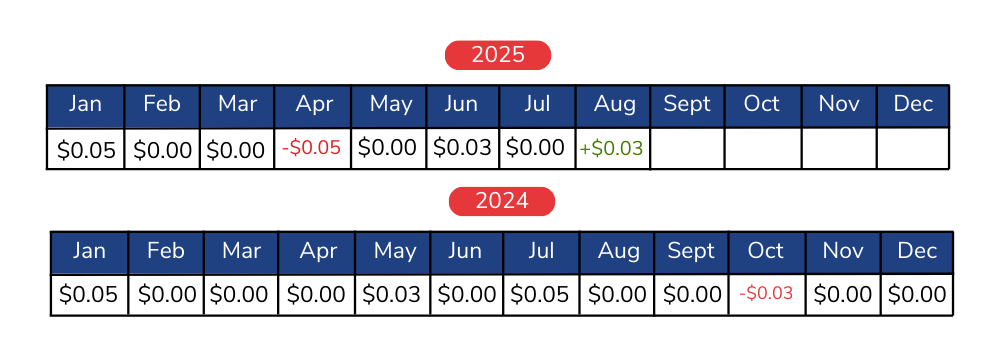
Resin pricing has seen modest but notable movement throughout 2024 and 2025. While the market has avoided extreme volatility, it continues to fluctuate enough that strategic timing can impact your costs.
Here’s a quick breakdown of what we’ve seen so far:
Early 2025 remained relatively flat, with no movement in January through March.
April 2025 saw a rare dip of –$0.05/lb, briefly pulling prices down.
That dip was followed by a slight increase of $0.03/lb in June and August.
When compared to 2024 trends, this year’s fluctuations have been more minor, but still worth watching:
July 2024 saw a price increase of $0.05/lb, the highest single-month jump of the year.
October 2024 saw a dip of—$0.03/lb, showing that downturns can and do occur late in the year.
At A-Pac Manufacturing, we actively monitor these changes so our customers can make informed purchasing decisions. Even small shifts in resin pricing can add up over large-volume orders, so having a partner who tracks the market closely can make a real difference.
What’s Driving Today’s Resin Prices?
While resin pricing has remained relatively stable so far in 2025, it’s important to understand the factors behind the movement, because even minor shifts can affect your purchasing strategy.
Raw Material Supply and Demand: The availability of key feedstocks like ethylene and propylene continues to shape resin costs. Any disruption in production or shifts in global demand can ripple through the pricing structure.
Global Shipping and Logistics: Port congestion, container shortages, and changes in shipping routes all impact the cost and timing of raw material delivery. While supply chains have improved since the peak disruptions of 2021–2022, they’re still a major variable.
Oil and Gas Markets: Since resin is derived from petroleum, crude oil prices remain a big influence. Even modest fluctuations in the oil market can put upward or downward pressure on resin pricing.
Geopolitical Events and Weather: Natural disasters, hurricanes, wildfires, and international conflict can quickly affect resin supply chains. For example, Gulf Coast storms can shut down key production facilities. Wildfires in transportation corridors can delay delivery routes and disrupt workforce operations—tightening supply and driving prices up.
The good news? So far, price swings this year have been relatively modest. But that doesn’t mean they’re insignificant—especially if you’re placing large or recurring orders. Timing your purchase around anticipated increases or dips can help you control costs without sacrificing quality or delivery speed.
Can I Still Find Poly Bags With Fast Lead Times?
The short answer: Yes—especially when you work with A-Pac Manufacturing.
While some manufacturers face extended production and delivery timelines, we consistently deliver poly bags in as little as 2 to 3 weeks for most orders. That’s not a rough estimate; it’s a standard we strive to meet every day.
We understand how delays in packaging can slow down your entire operation. That’s why we’ve built our production processes to stay lean, flexible, and responsive—even during periods of high demand or market fluctuation.
A couple of planning tips to keep in mind:
If you’re forecasting for fall or peak holiday production, placing larger or recurring orders now can help secure favorable pricing and turnaround times.
Our team is always available to help you map out timelines and find the most efficient path forward.
In a market where lead times can stretch unpredictably, having a packaging partner that delivers quickly—and reliably—gives you a strategic advantage.
4 Strategic Tips for Managing the Costs of Resin Prices
In a market where resin pricing can shift month to month, planning ahead isn’t just helpful—it’s essential. Here are four strategies to help you stay ahead of price changes and keep your packaging costs under control:
1. Order Ahead of Forecasted Increases
Even modest price hikes can make a difference at scale. If you hear about a potential increase, consider placing orders early to lock in current rates.
2. Buy in Bulk When It Makes Sense
Larger orders often mean better per-unit pricing and fewer disruptions to your production schedule. Buying in bulk can be a smart financial move if you have predictable packaging needs.
3. Be Proactive With Seasonal or Recurring Orders
Don’t wait for busy seasons to place your order if you know your demand patterns. Getting ahead of the curve can help you avoid rush fees or delays.
4. Partner With a Responsive Manufacturer
Working with a dependable supplier means having a team that actively monitors market trends, keeps you informed, and helps you plan with confidence. We’re here to support your success, not just fill your orders.
The bottom line? Small shifts in timing and order strategy can lead to real savings—and A-Pac is here to help you take advantage of every opportunity.
A-Pac’s Commitment to You
We know resin pricing and lead times aren’t just numbers—they directly affect your production schedules, profitability, and peace of mind.
That’s why we’re committed to:
Fast, consistent lead times
Transparent, up-to-date communication on pricing and supply
Responsive service from a team that understands your business
Whether you’re navigating seasonal demand, adjusting to market changes, or just trying to stay ahead, we’re here to help you plan smarter and move faster.
Need a quote or want to discuss an upcoming order?
Contact us today for all your poly packaging needs. Our team is ready to help you get the right bags, at the right time, for the right price.
Manufacturers today must navigate a complex and constantly evolving landscape of packaging regulations. As requirements shift, so does the risk of non-compliance, which can lead to fines, product recalls, supply chain disruptions, and long-term reputational damage. That’s why staying ahead of packaging regulations isn’t just smart—it’s essential.
In this blog, we’ll explore four key areas of regulatory compliance—FDA, USDA, USPS, and state-level environmental standards. We’ll show how A-Pac’s custom poly bags and certified quality systems help manufacturers stay compliant and confident.
Why Packaging Regulations Are Evolving
Packaging regulations aren’t static—they’re evolving in response to growing demands for safety, transparency, and environmental responsibility. Several key trends are driving this evolution:
Sustainability mandates are increasing nationwide, with many states introducing plastic bans, recyclability requirements, and extended producer responsibility (EPR) laws.
Food safety standards from agencies like the FDA and USDA continue to tighten, aiming to reduce contamination and ensure safe handling across the supply chain.
Consumer protection regulations demand greater visibility into the materials used in packaging, from labeling clarity to chemical safety.
State-level legislation adds another layer of complexity, with varying requirements for material composition, labeling, and disposal methods.
For manufacturers, the risks of falling behind are real. Non-compliance can lead to costly fines, product recalls, supply chain delays, and long-term damage to customer trust.
4 Key Areas of Regulatory Compliance
Regulatory compliance spans multiple agencies and jurisdictions. Here are four core areas every manufacturer should monitor, and how A-Pac helps ensure your packaging meets the mark.
1. FDA Packaging Regulations
FDA packaging compliance is critical for food, medical, and pharmaceutical manufacturers. The FDA sets strict guidelines to ensure materials in contact with consumables are safe, sanitary, and non-toxic.
A-Pac isFSSC 22000 certified by Intertek, which means our food-safe poly bags are manufactured under a globally recognized food safety management system.
2. USDA & Food Safety Compliance
USDA oversight further reinforces the need for clean, contaminant-free packaging in food-related applications. Poly bags must meet food-grade standards to prevent contamination during handling and storage, whether your products are fresh, frozen, or processed.
A-Pac’sFSSC 22000 certification and audited processes ensure every bag aligns with USDA expectations. Our systems are designed to reduce risk, improve traceability, and support safe, compliant operations across the food supply chain.
3. USPS Packaging Regulations
If you ship your products through USPS, your packaging must meet certain size, durability, and safety requirements. Non-compliant materials can lead to delivery delays, rejections, or added costs.
A-Pac offers custom poly bagsengineered to meet USPS packaging guidelines. Whether you need specific dimensions, strength, or sealing options, our team helps you create mailing-ready solutions that keep your logistics moving smoothly.
4. State-Level Environmental Regulations
Across the U.S., state governments are introducing a growing patchwork of packaging laws. Staying compliant requires constant vigilance, from plastic restrictions and recycled content mandates to labeling and disposal regulations.
A-Pac actively tracks regulatory changes at the state level and offers solutions to help clients stay ahead. Our team can advise on poly bag materials, labeling requirements, and design considerations that align with current and emerging environmental standards.
How A-Pac Helps Manufacturers Stay Ahead With Compliant Packaging
Having the right packaging partner can make all the difference when it comes to regulatory compliance. At A-Pac Manufacturing, we combine deep industry knowledge with certified quality systems to help our clients reduce risk and operate with confidence.
Certified Quality Management Systems
A-Pac’s ISO 9001:2015 certification demonstrates our commitment to continuous improvement, consistent quality, and customer-focused processes. This globally recognized standard helps us maintain strict process control, reliable traceability, and high production standards across every order.
Built for Food Safety
We’re also FSSC 22000 certified, which means we follow a comprehensive food safety management system designed to meet the requirements of regulators, food manufacturers, and consumers alike. This certification gives clients peace of mind that their packaging is safe, clean, and fully compliant with food industry regulations.
Compliance-Driven Custom Solutions
Every poly bag we produce is designed with compliance in mind. Whether you’re navigating food safety laws, shipping standards, or environmental regulations, our team works with you to build packaging that meets your exact needs and regulatory obligations.
Custom Poly Bags, Built to Spec
We don’t take a one-size-fits-all approach. At A-Pac, we specialize in custom poly bags tailored to your specifications, including size, thickness, material, color, and closure type. From small-run specialty bags to high-volume orders, every product is built to perform and built to meet the standards that matter to your business.
A-Pac’s globally recognized certifications, custom poly bag solutions, and proactive approach to compliance make us a trusted choice for manufacturers across industries. Whether you’re navigating FDA, USDA, USPS, or environmental regulations, we’re here to help you stay compliant with confidence.
Contact us today to request a copy of our certifications or discuss how we can support your packaging compliance needs.