Polyethylene Manufacturing: How Poly Bags Are Made and Recycled

Polyethylene Manufacturing: How Poly Bags Are Made and Recycled

Polyethylene is one of the most widely used materials in modern packaging. From industrial liners to food packaging, polyethylene plays a critical role in protecting products and keeping operations efficient.

But how does polyethylene manufacturing actually work?

In this guide, we’ll walk through the full polyethylene production process—from raw materials to finished poly bags—and explore how these materials are used and recycled in today’s packaging ecosystem.

What Is Polyethylene?

Polyethylene is a thermoplastic polymer made from petroleum or natural gas. It is widely used in flexible packaging, including films and poly bags, due to its strength, flexibility, and moisture resistance.

Key characteristics of polyethylene:

  • Lightweight yet strong
  • Resistant to moisture and chemicals
  • Easily customizable for different applications
  • Recyclable and efficient to produce

Common Types of Polyethylene:

Different types of polyethylene are engineered for specific performance needs:

  • LDPE (Low-Density Polyethylene): Flexible with excellent clarity
  • LLDPE (Linear Low-Density Polyethylene): Stronger with improved puncture resistance
  • HDPE (High-Density Polyethylene): Rigid with superior moisture resistance

Polyethylene Production Process: How Polyethylene Is Made

Understanding how polyethylene is made starts at the molecular level. The polyethylene production process transforms raw hydrocarbons into a versatile plastic resin used in packaging.

Quick Answer:
Polyethylene is made by polymerizing ethylene gas into long molecular chains, which are then processed into usable plastic material.

Step 1: Raw Material Extraction

Polyethylene production begins with natural gas or crude oil. Ethane is extracted and processed through a “cracking” method to produce ethylene gas.

Step 2: Polymerization

Ethylene molecules are chemically bonded together to form long polymer chains. This process determines the structure and performance of the final material. Different catalysts and conditions produce LDPE, LLDPE, or HDPE.

Step 3: Resin Pellet Production

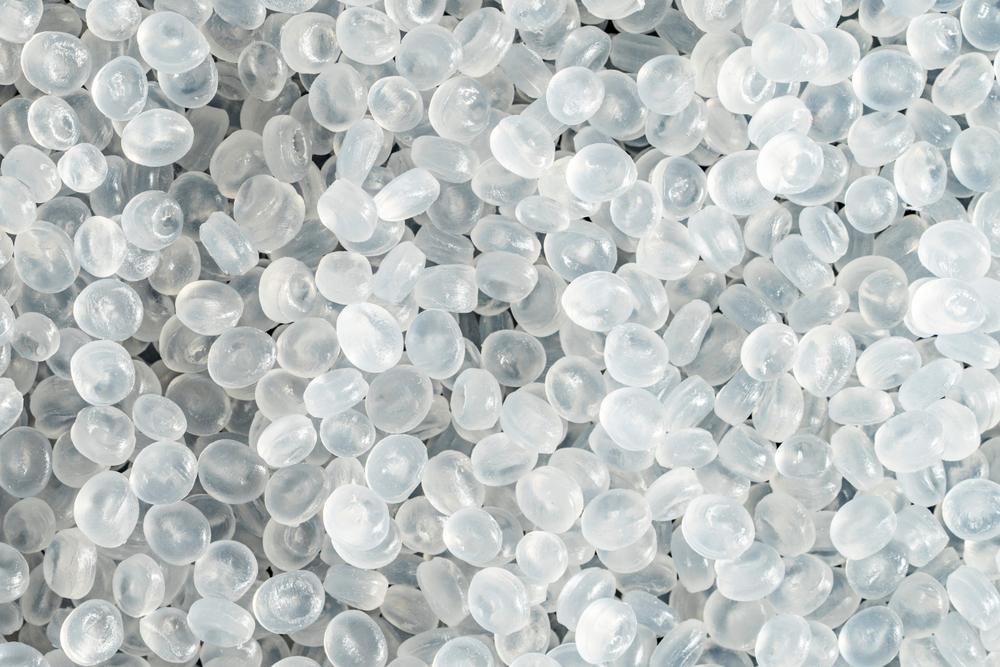
The molten polyethylene is cooled and cut into small pellets. These resin pellets are the raw material used in downstream manufacturing processes.

Resin Pellets

From Resin to Film: The Polyethylene Manufacturing Process

Once resin pellets are produced, they are transformed into film—the foundation of poly bags and flexible packaging.

Step 4: Film Extrusion

Pellets are melted and extruded into thin plastic film. Two primary methods are used:

  • Blown film extrusion: Creates stronger, more durable films
  • Cast film extrusion: Produces clearer, more uniform films

Film thickness (measured in mil) and performance characteristics are controlled during this stage.

Step 5: Additives and Customization

Manufacturers can enhance film performance by adding:

  • UV inhibitors
  • Anti-static agents
  • Colorants

The resin blend and additives directly impact strength, clarity, and even downgauging opportunities, allowing thinner films to maintain performance while reducing material costs.

Step 6: Cooling and Winding

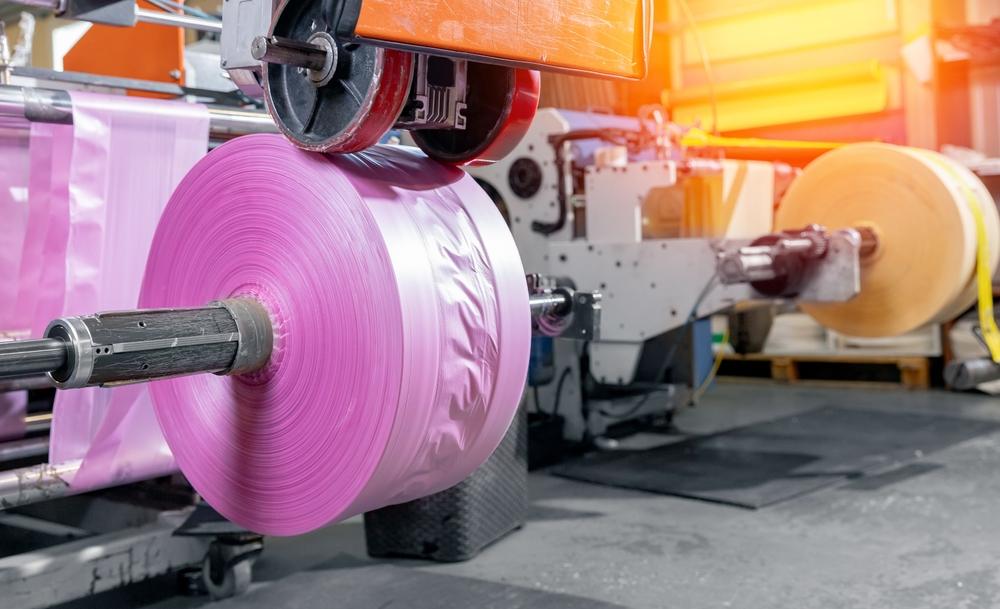
The film is cooled, flattened, and wound into large rolls, ready for the next phase: converting.

roll of polyethylene bags

How Poly Bags Are Made

Converting transforms polyethylene film into finished packaging products.

Step 7: Converting Film into Bags

Film rolls are cut, sealed, and shaped into various bag styles, including:

  • Flat bags
  • Gusseted bags
  • Wicketed bags

Step 8: Printing and Branding

Flexographic printing allows for custom branding, labeling, and product information directly on the bag.

Step 9: Quality Control

Finished bags undergo rigorous testing to ensure:

  • Seal integrity
  • Strength and durability
  • Consistency across production runs

This is especially critical for industrial and high-performance applications.

polybag manufacturing machine with green bags

How Polyethylene Properties Impact Bag Performance

Not all poly bags perform the same, and it often comes down to material selection.

Polyethylene properties such as strength, flexibility, and barrier protection directly influence performance. Resin blends play a major role in:

  • Durability: Resistance to punctures and tears
  • Cost efficiency: Optimizing material usage
  • Downgauging: Using less material without sacrificing strength

Choosing the right polyethylene formulation ensures the bag performs as required while controlling costs.

Applications of Polyethylene Bags Across Industries

Polyethylene bags are used across a wide range of industries due to their versatility:

  • Industrial packaging: Protecting parts, equipment, and materials
  • Food & beverage: Safe, moisture-resistant packaging
  • Retail and distribution: Shipping and storage solutions
  • Medical and specialty: Clean, protective environments

The Recycling Process: How Polyethylene Is Reused

Polyethylene is not only efficient to produce. It’s also recyclable, making it a sustainable packaging option when properly managed.

Quick Answer:
Polyethylene is recycled by collecting, cleaning, shredding, and reprocessing it into new resin pellets for future manufacturing.

Step 10: Collection and Sorting

Used polyethylene materials are collected and sorted into:

  • Post-industrial (manufacturing scrap)
  • Post-consumer (used products)

Step 11: Cleaning and Reprocessing

Materials are washed, shredded, and melted down into reusable plastic.

Step 12: Manufacturing Recycled Products

The material is reprocessed into new resin pellets, which can be used to create new bags, films, or other plastic products.

Why Polyethylene Remains a Leading Packaging Material

Despite evolving materials and sustainability demands, polyethylene continues to lead the packaging industry because it offers:

  • Lightweight, cost-effective performance
  • Strong protection for a wide range of products
  • High customization for specific applications
  • Recyclability and manufacturing efficiency

Choosing the Right Polyethylene Bag for Your Application

Selecting the right poly bag involves more than just size. Key considerations include:

  • Film thickness (mil)
  • Resin type (LDPE, LLDPE, HDPE)
  • Additives and performance requirements
  • Bag style and design

Working with an experienced manufacturer ensures you get the right balance of performance, cost, and efficiency.

Partner with A-Pac for High-Performance Polyethylene Packaging

At A-Pac Manufacturing, polyethylene manufacturing isn’t just about producing bags—it’s about engineering packaging solutions that perform.

With expertise in resin selection, film extrusion, and custom converting, A-Pac helps businesses:

  • Optimize material usage and reduce costs
  • Improve packaging performance
  • Customize solutions for specific applications

Ready to improve your packaging performance?
Request a quote or speak with an A-Pac expert today to find the right polyethylene solution for your needs.

Poly Bag vs. Plastic Bag: Choosing the Right Option for Your Business

Poly Bag vs. Plastic Bag: Choosing the Right Option for Your Business

When it comes to packaging, the terms “poly bag” and “plastic bag” are often used interchangeably. But in the packaging world, those two labels don’t always mean the same thing. Understanding the difference can make a big impact on your operations.

For businesses that rely on packaging to protect, store, and ship their products efficiently, choosing the wrong choice can lead to damaged goods, poor presentation, or wasted material. The right one, on the other hand, can streamline your process and strengthen your brand.

At A-Pac Manufacturing, we often hear from customers who ask the same question: “What is the difference between plastic bags and poly bags?”

In this post, we’ll clear up that confusion once and for all. We’ll explain how poly bags differ from standard plastic bags, explore their unique characteristics and advantages, and help you determine which option best suits your business needs.

What Is the Difference Between Plastic Bags and Poly Bags?

At first glance, plastic bags and poly bags might look the same: clear, flexible, and lightweight. But when we dig a little deeper, the differences in materials and performance become clear.

Plastic bag is a broad term that covers any bag made from synthetic polymers — materials created through chemical processes that produce durable, moldable plastics.

  • This includes everything from grocery sacks and trash liners to retail shopping bags and even some industrial packaging.
  • These bags can be made from various plastics, including polypropylene (PP), polyvinyl chloride (PVC), and polyethylene (PE).

Poly bags, on the other hand, are a more specific type of plastic bag. They’re made exclusively from polyethylene (PE) — one of the most common and versatile plastics used in packaging. Within this category, there are two main types:

  • Low-Density Polyethylene (LDPE): Offers flexibility, clarity, and softness, making it ideal for packaging products that require easy visibility and handling.
  • High-Density Polyethylene (HDPE): Provides greater strength, rigidity, and puncture resistance, great for heavier or more durable packaging needs.

In short, all poly bags are plastic bags, but not all plastic bags are poly bags.

So why does this distinction matter?

For businesses in manufacturing, retail, and e-commerce, knowing what your packaging is made of directly affects your bottom line. Poly bags offer a better balance of clarity, strength, and cost efficiency for bulk packaging, shipping, and custom branding, making them the go-to choice for numerous business applications.

Key Characteristics of Poly Bags
Poly bags are the workhorse of modern packaging. They’re simple, versatile, and effective. Their strength lies not only in their material but also in their ability to adapt to different business needs.

Here’s what sets them apart:

Material:

Poly bags are made from polyethylene (PE) — a plastic resin known for its balance of durability, flexibility, and clarity. This makes them suitable for a wide range of applications, from lightweight retail packaging to heavy-duty industrial use.

Common Forms:

Depending on your product and process, poly bags come in several styles, including:

  • Flat poly bags – Simple open-top bags ideal for manual or automated packing.
  • Resealable (zip-top) bags – Perfect for items that need to be opened and closed multiple times.
  • Gusseted bags – Expandable sides or bottoms for bulkier items.
  • Poly mailers – Durable envelopes designed for e-commerce shipping.

Advantages of Poly Bags:

  • Lightweight yet strong: Keeps shipping costs low without sacrificing protection.
  • Moisture- and dust-resistant: Ideal for protecting products in storage or transit.
  • Cost-effective: Efficient to produce and available in bulk quantities.
  • Customizable: Can be tailored to your specific size, thickness, color, or printed with your branding.

For businesses that prioritize product protection, consistency, and presentation, poly bags deliver on all fronts. Whether you’re packaging components, apparel, or food products, polyethylene provides a clean, professional look and dependable performance.

Characteristics of Regular Plastic Bags

While poly bags are a specific and highly reliable type of plastic packaging, the broader category of plastic bags includes a variety of materials, each with its own strengths and limitations. Understanding these differences can help you choose the best fit for your product and business priorities.

Broader Material Base:

Plastic bags can be made from many synthetic polymers, including:

  • Polypropylene (PP): Known for exceptional clarity and stiffness. Often used for retail packaging where presentation matters — like baked goods, cards, or textiles.
  • Polyvinyl Chloride (PVC): Offers rigidity and durability but is less common today due to environmental concerns.
  • Compostable or biodegradable plastics: Made from plant-based materials (such as polylactic acid), they are becoming increasingly popular among eco-focused brands. However, they may come at a higher cost and require specific disposal conditions.

Common Examples:

  • Grocery and shopping bags
  • Trash liners
  • Merchandise bags
  • Some types of shrink or stretch film

Pros and Cons:

  • Pros:
    • PP bags can offer superior transparency for retail display.
    • PVC and other rigid plastics provide strength and form for specialty packaging.
    • Compostable plastics support sustainability initiatives.
  • Cons:
    • Not all are suitable for long-term storage or heavy products.
    • Some materials are less flexible or more expensive to produce.
    • Recyclability varies — not all plastics can be processed through standard recycling streams.

In short, while regular plastic bags may have their place, poly bags often strike the best balance between durability, flexibility, cost, and environmental responsibility, especially for businesses managing large-scale packaging and shipping operations.

Poly Bag vs. Plastic Bag: Which Is Right for Your Business?

Choosing between poly bags and other types of plastic bags ultimately comes down to your product, environment, and goals. While both serve a purpose, understanding their performance in real-world conditions helps ensure you’re getting the best value and functionality.

Here’s a quick comparison to guide your decision:

Factor Poly Bags (Polyethylene) Other Plastic Bags (PP, PVC, etc.)
Material Made from polyethylene (LDPE or HDPE) Can include polypropylene, PVC, compostable plastics, etc.
Flexibility & Strength High flexibility with excellent puncture and tear resistance Varies by material; some are rigid or brittle
Clarity Good clarity (especially LDPE) PP often provides higher transparency
Moisture Resistance Excellent — ideal for storage and shipping Varies; some are less moisture-resistant
Customization Easily printed, sized, and sealed Customization is possible, but may be limited by the material
Sustainability Recyclable in most PE recycling streams Varies — some recyclable, others not
Cost Efficiency Cost-effective for bulk packaging May cost more depending on resin and processing
Best For Industrial, e-commerce, and retail packaging Retail display, specialized or short-term use

When evaluating your packaging, consider:

  • Product Type: How heavy, fragile, or sensitive is your product?
  • Storage Environment: Will it be exposed to moisture, temperature fluctuations, or prolonged storage?
  • Sustainability Goals: Do you prioritize recyclable or biodegradable materials?
  • Branding Needs: Do you need custom printing or branded packaging?

For most manufacturers, distributors, and online retailers, poly bags are the clear winner—offering the ideal mix of strength, cost efficiency, and versatility.

At A-Pac Manufacturing, we specialize in helping businesses identify the perfect packaging solution, whether that’s a custom-sized flat bag, branded poly mailer, or specialty gusseted option.

The Clear Choice: Why Poly Bags Are Better for Business
While all poly bags are technically plastic bags, not all plastic bags offer the same durability, flexibility, or reliability that polyethylene provides.

For most businesses (especially those in manufacturing, retail, or e-commerce), poly bags deliver the best balance of strength, cost-efficiency, and presentation. They’re built to protect your products, streamline your shipping, and reflect the quality of your brand.

At A-Pac Manufacturing, we’ve spent decades helping businesses design and source custom poly bag solutions that meet their exact needs. Whether you’re packaging food products, small parts, or bulk materials, we can help you select the right size, thickness, and style custom bag that supports your brand and bottom line.

Ready to find the best packaging for your business?

Contact A-Pac Manufacturing today for expert guidance or to request a quote on custom poly bag solutions.
4 Benefits Poly Bag Packaging for E-Commerce: Ensuring Product Safety and Customer Satisfaction

4 Benefits Poly Bag Packaging for E-Commerce: Ensuring Product Safety and Customer Satisfaction

E-commerce is growing at an unprecedented rate, with businesses of all sizes looking for ways to streamline their operations and ensure a positive customer experience. In this fast-paced world of online shopping, reliable packaging solutions are essential.

Poly bag packaging has become a popular choice for e-commerce businesses, thanks to its flexibility, durability, and cost-effectiveness. But there’s more to it than that. Let’s dive into the top benefits of poly bag packaging and see why it’s the go-to solution for so many e-commerce brands.

4 Benefits of Poly Bag Packaging for E-Commerce

Poly bags are a superior choice when businesses seek lightweight, durable, and affordable packaging. They offer an efficient, cost-effective way to ship products securely.

Beyond these practical advantages, four major benefits make poly bags an excellent choice for businesses operating in the e-commerce space. Let’s dive in.

1. Vast Customization Options

In e-commerce, the unboxing experience has become critical to customer satisfaction. It’s the first physical interaction customers have with your brand, leaving a lasting impression.

Poly bags offer endless customization options to elevate this moment and create a memorable experience for your customers. From colors and logos to specific sizes and designs, poly bags can be customized to reflect your brand’s identity. This helps with brand recognition and adds a professional touch to your packaging.

Whether you’re looking for tamper-evident seals for added security or unique printed designs to stand out, poly bags provide flexibility to align with your specific packaging needs.

Shop top-of-the-line customized poly bags.

Dried fruit in polybags

2. Sustainable Materials

With the rise of eco-conscious consumers, sustainability has become a key consideration for e-commerce businesses. According to a recent survey, 60-70% of consumers would pay more for sustainable packaging.

As more people seek to minimize their environmental footprint, the demand for eco-friendly packaging continues to grow. Fortunately, poly bags can offer sustainable solutions without compromising durability or quality. Biodegradable poly bags break down naturally over time, while recyclable poly bags can be reprocessed into new materials, offering a greener alternative to traditional plastic packaging.

By incorporating sustainable packaging into your e-commerce operations, you not only contribute to environmental conservation but also enhance your brand’s reputation. Consumers are increasingly drawn to brands that prioritize sustainability, and offering eco-friendly packaging can help you stand out in a competitive market.

Shop sustainable poly bag options made with up to 20% plant-based materials.

3. Enhanced Customer Satisfaction

Poly bags offer an easy, secure, and flexible way to ship products, helping to ensure customer satisfaction with every order. Whether it’s resealable bags for added convenience, transparent bags to show the product inside, or opaque options for privacy, poly bags are designed to meet various needs while ensuring a smooth shipping process.

Their lightweight nature and compact design contribute to faster, more cost-effective shipping, which is crucial in the fast-paced world of e-commerce. Customers appreciate receiving their orders quickly and in excellent condition, and poly bags help make that happen by reducing shipping delays and minimizing damage during transit.

When businesses prioritize packaging that protects products and enhances the customer experience, they foster brand loyalty and increase their chances of long-term success.

Printed poly bags

4. Top-Tier Product Safety

Ensuring that products arrive safely should always be a top priority. Poly bags, made from high-quality, durable materials, are designed to withstand the rigors of shipping, protecting your items from damage during transit, including moisture, tearing, and punctures.

Different poly bag materials, such as low-density polyethylene (LDPE) and high-density polyethylene (HDPE), cater to various product needs.

  • LDPE offers flexibility and is ideal for soft goods like clothing
  • HDPE provides sturdiness and is well-suited for heavier products.

Customers expect their orders to arrive intact, and reliable packaging is critical to meeting those expectations and encouraging repeat business.

Say Hello to High-Quality Poly Bags from A-Pac Manufacturing

At A-Pac Manufacturing, we produce top-quality poly bags that are perfect for growing e-commerce businesses. With no order minimums and fast lead times of just 2-3 weeks, we make it easy for small businesses to scale with the right packaging solutions.

Why Choose A-Pac Manufacturing?

  • High-Quality Products: We’re dedicated to providing only the best poly products. Our investments in advanced machinery give us exceptional control and accuracy, ensuring that our poly bags are made to the highest standards and won’t rip or tear.
  • Premium Materials: All of our products are made from premium raw materials right here in the USA. You can count on A-Pac poly bags for strength and durability.
  • Customized Solutions: Our poly bags are made with exceptional attention to detail, ensuring they meet your exact specifications. Whether you need flat poly bags, gusseted and wicketed poly bags, bags on rolls, or staple-pack bags, we’ve got you covered.

When you work with A-Pac, you’re getting more than just a poly bag—you’re getting a reliable packaging partner committed to helping your business grow.

Elevate Your E-Commerce Packaging with A-Pac Poly Bags

If you’re ready to elevate your e-commerce packaging, contact A-Pac Manufacturing today. Our team is dedicated to delivering high-quality, custom poly bag solutions tailored to your business needs. Let us help you create packaging that not only protects your products but also leaves a lasting impression on your customers.